Denemek ALTIN - Özgür
TAKE STOCK
BBC Wildlife
|July 2023
Not all trade in wildlife is harmful - in fact the opposite can be true

The chances are you don’t consider yourself a consumer of wildlife products. You might forage a few autumn fruits and fungi, but you’re not part of an annual legal trading market worth a staggering $220 billion (£182 billion) a year – or, indeed, complicit in the illegal one, estimated at anywhere between £6-19 billon.
The chances are you’re wrong about that. Bought any fish recently? Or anything made of wood? They are both wildlife products.
Alternatively, open up your food cupboard – what do you see? Have you got any marshmallows or soft drinks? They probably contain gum arabic, the hardened sap of an acacia tree that grows in semidesert areas of North Africa, the Arabian Peninsula and the Indian subcontinent. Most of the world’s gum arabic comes from Sudan, where it is a major economic activity for more than 10 per cent of the population. The substance is also used in pharmaceuticals, paint, glass manufacturing, textiles, and the weapons and fireworks industries.
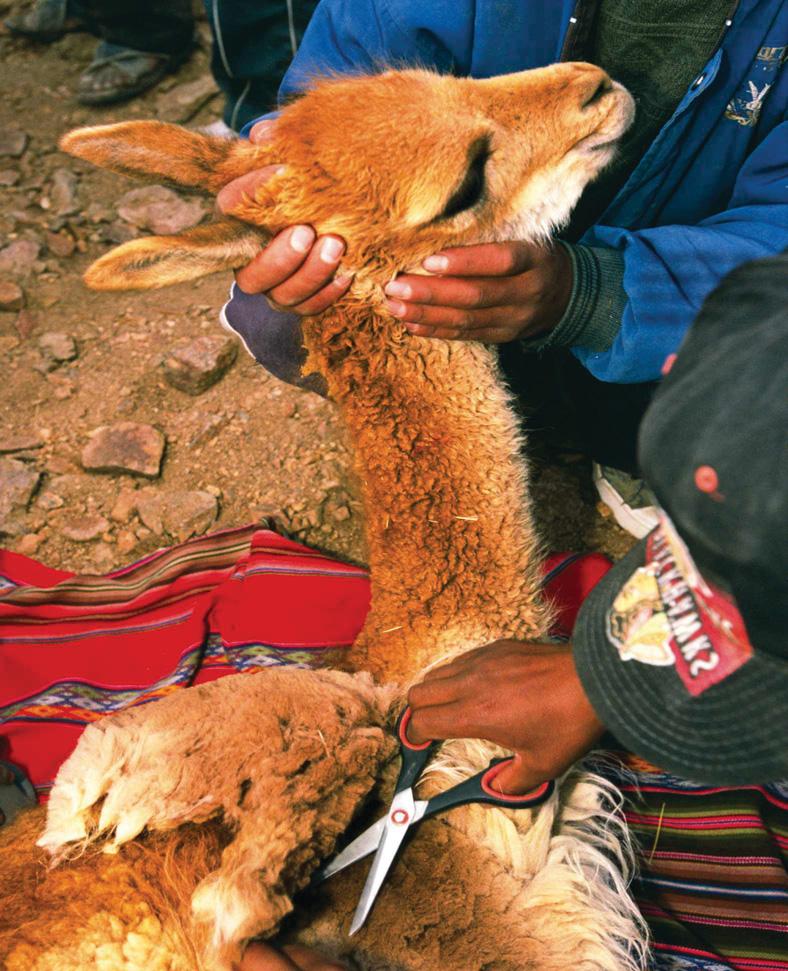
There are plenty of other common products harvested from wild plants. Brazil nuts, ginseng and liquorice are all obtained from the wild, as are lesser-known products such as jatamansi, a plant rhizome harvested in Nepal (see box on p64).
Anastasiya Timoshyna, from the wildlife trade monitoring group TRAFFIC, says the public debate over how humans use wild species and whether it is good for their long-term conservation is rarely depicted in its full complexity.
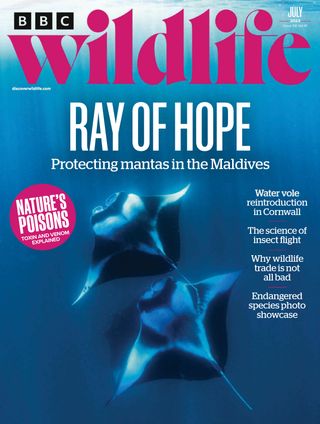

Bu hikaye BBC Wildlife dergisinin July 2023 baskısından alınmıştır.
Binlerce özenle seçilmiş premium hikayeye ve 9.000'den fazla dergi ve gazeteye erişmek için Magzter GOLD'a abone olun.
Zaten abone misiniz? Oturum aç
BBC Wildlife'den DAHA FAZLA HİKAYE
BBC Wildlife
"I was terrified the elephant would ram us"
African elephant in Kenya

2 mins
January 2026
BBC Wildlife
ALL YOU EVER NEEDED TO KNOW ABOUT THE Fennec fox
THE FENNEC FOX IS THE SMALLEST fox in the world, with a body length that can be as little as 24cm.
3 mins
January 2026
BBC Wildlife
INTO THE PLASTISPHERE
A unique synthetic ecosystem is evolving in our oceans – welcome to the plastisphere
7 mins
January 2026
BBC Wildlife
“More than half of all animal life exists in a parasitic relationship, and all life lives in symbiosis”
Our survival depends on species evolving to live together - but some relationships take dark turns
7 mins
January 2026
BBC Wildlife
Are animals able to dream?
SLEEP IS A MYSTERIOUS THING. FOR A long time, we weren't sure why we do it.
1 mins
January 2026
BBC Wildlife
Does a cuckoo know it's a cuckoo?
ABSURD LITTLE BIRDS ACROSS THE world lay their eggs in the nests of other species, leaving the hapless parents to raise a changeling at the expense of their own offspring.
2 mins
January 2026
BBC Wildlife
Orcas killing young sharks
Juvenile great whites are easy prey for orca pod
1 mins
January 2026
BBC Wildlife
Ocean goes on tour
Acclaimed film touring the UK, backed by live orchestra and choir
1 min
January 2026
BBC Wildlife
Feisty bats hunt like lions
Winged mammals use a 'hang and wait' strategy to take down large prey
1 mins
January 2026
BBC Wildlife
SNAP-CHAT
Richard Birchett on magical merlins, wily coyotes and charging deer
2 mins
January 2026
Translate
Change font size