
Magzter GOLD ile Sınırsız Olun
Sadece 9.000'den fazla dergi, gazete ve Premium hikayeye sınırsız erişim elde edin
Why is India afraid of compulsory licences?
Down To Earth
|June 16, 2021
While rich nations are discovering virtues of CLs, India has turned its back on this tool despite nudges from the court

TOWARDS THE end of May, Russia shipped nearly a quarter of a million packs of medicines to India as humanitarian assistance to fight the devastating second wave of the covid-19 pandemic. The packs contained the Russian generic version of Gilead’s experimental anti-viral drug remdesivir that is used to treat patients hospitalised with the deadly infection. The arrival of Remdeform, as the drug is called, highlighted the timidity of New Delhi in using its robust laws to make lifesaving drugs accessible and inexpensive.
Remdeform is being manufactured in Russia using a compulsory licence (CL) which is a flexibility permitted under the World Trade Organization’s (WTO) strict intellectual property (IP) rules. These rules, labelled trips or the trade-related aspects of IP rights, allow member-countries to override the rights of the patent holders in the case of a national emergency on health. In India, remdesivir is manufactured through voluntary licences (VLs) granted by Gilead, the patent holder, to generic-drug manufacturers that are allowed to make and export the drug according to the terms laid down by the originator company. Eight companies hold such licences.
VLs are considered less messy because they are quick and avoid the legal challenges that a CL invariably results in, although these are issued in special circumstances. VLs usually allow the firms to set their own prices even if the export markets are strictly circumscribed. Yet, remdesivir production by the Indian companies was not enough to meet the crisis in April-May as both demand and prices spiralled out of control, forcing India to seek assistance.


Bu hikaye Down To Earth dergisinin June 16, 2021 baskısından alınmıştır.
Binlerce özenle seçilmiş premium hikayeye ve 9.000'den fazla dergi ve gazeteye erişmek için Magzter GOLD'a abone olun.
Zaten abone misiniz? Oturum aç
Down To Earth'den DAHA FAZLA HİKAYE
Down To Earth
KING OF BIRDS
Revered for centuries, western tragopan now needs protection as its forests shrink, human pressures mount

3 mins
December 16, 2025
Down To Earth
WHISKERS ALL AQUIVER
Climate change threatens creatures that have weathered extreme environments for thousands of years
2 mins
December 16, 2025

Down To Earth
GOLDEN SPIRIT
Survival of the shy primate is closely tied to the health of Western Ghats
3 mins
December 16, 2025
Down To Earth
RINGED EYES IN THE CANOPY
Rapid habitat destruction forces arboreal langur to alter habits
2 mins
December 16, 2025
Down To Earth
HANGING BY THE CLIFF
The Himalaya's rarest wild goat is on the brink of local extinction
2 mins
December 16, 2025

Down To Earth
ANGEL OF THE BEAS
Conservation reserves, citizen science, and habitat protection give the Indus River dolphin a fighting chance in India
2 mins
December 16, 2025
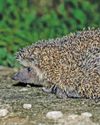
Down To Earth
UNDER MOONLIT SCRUB
Survival of this hidden guardian tells us whether our scrublands still breathe
2 mins
December 16, 2025
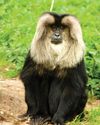
Down To Earth
SYMBOL OF SILENT VALLEY
Lion-tailed macaque remains vulnerable despite past victories
2 mins
December 16, 2025

Down To Earth
THE APE IN OUR STORIES
India's only non-human ape species is a cultural icon threatened by forest fragmentation
2 mins
December 16, 2025
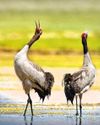
Down To Earth
SENTINEL OF THE HIGH COLD DESERT
The bird's evocative call may not continue to roll across the cold desert valley for long
3 mins
December 16, 2025
Translate
Change font size