
Magzter GOLD ile Sınırsız Olun
Sadece 9.000'den fazla dergi, gazete ve Premium hikayeye sınırsız erişim elde edin
Denemek ALTIN - Özgür
SUN, SALT AND SAND
Down To Earth
|January 16, 2022
Use of solar-powered pumps for salt manufacturing has not just helped Gujarat's Agariya community fight the rising fuel costs, but also drastically cut their carbon emissions

KANU BEN Patadia looks at her palms and remembers when they would be covered in soot all the time. “Only in the last six years have my hands been this clean,” she says. The soot she refers to came from operating oil-powered pumps all day long to make something none of us can live without— salt. It disappeared once she shifted to solar-powered pumps.

Kanu Ben belongs to the Agariya community that has been involved in making salt for centuries in the Little Rann of Kutch (LRK)—a 5,000 square kilometer salt marsh in the Rann of Kutch in north Gujarat. By switching over to a solar-powered pump in 2015 (she bought a second one in 2017), Kanu Ben has saved about 15 tonnes of carbon dioxide from being released into the atmosphere, as per an estimate by Ahmedabad-based non-profit Vikas Centre for Development (VCD). According to the non-profit, the Agaria community has installed around 3,000 pumps since 2017-18, which would have saved release of around 12,000 tonnes of carbon dioxide. Overall, some 70 per cent of the 7,000 Agariya families in LRK have at least one pump, say non-profits in the region, though there is no official data on this.

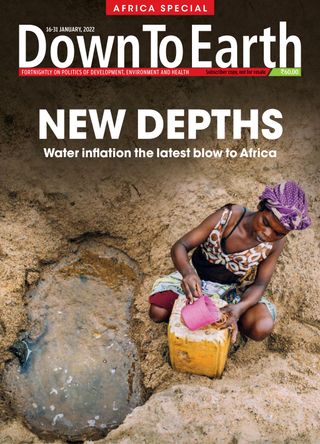

Bu hikaye Down To Earth dergisinin January 16, 2022 baskısından alınmıştır.
Binlerce özenle seçilmiş premium hikayeye ve 9.000'den fazla dergi ve gazeteye erişmek için Magzter GOLD'a abone olun.
Zaten abone misiniz? Oturum aç
Down To Earth'den DAHA FAZLA HİKAYE

Down To Earth
GREAT NICOBAR DILEMMA
In the fragile ecosystem of Nicobar, strategic development must align with constitutional commitment to protect environment, indigenous dignity

3 mins
March 16, 2026
Down To Earth
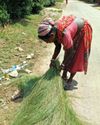
CATCH BY THE ROOTS
Sabai grass could be a game-changer for the marginalised economies of West Bengal's dry uplands. All it needs is an efficient market strategy
4 mins
March 16, 2026

Down To Earth
POWERING TRANSITION
India's renewable ambitions are rising rapidly, with half of its installed power capacity now coming from non-fossil sources. Yet the gap between capacity and generation remains wide. The experiences of two pioneering states, Karnataka and Tamil Nadu, which together generate over a fifth of the country's renewable energy, offer crucial lessons for accelerating the transition, reports PUJA DAS from Bengaluru, Chennai, Mumbai and New Delhi
16 mins
March 16, 2026
Down To Earth
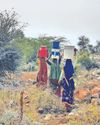
At core of survival
Water scarcity defines life in a village inside Sariska Tiger Reserve's critical habitat, as debates over its relocation drag on
5 mins
March 16, 2026

Down To Earth
What's on your plate
An upcoming digital tool can help people learn about the origin of their meals and make climate-positive food choices
2 mins
March 16, 2026

Down To Earth
'Bad environment can never be good economics'
The Supreme Court of India and even the high courts were once very active and took a proactive role in protecting the environment; unfortunately, that is no longer true
4 mins
March 16, 2026
Down To Earth
Things fall apart
IN THE past year, the world has counted more missiles and bombs than hours.
2 mins
March 16, 2026

Down To Earth
Universities in crisis, innovation is stifled
Political control and skewed policies have led to unrest in academia, stifling creativity and meaningful research
4 mins
March 16, 2026

Down To Earth
SPARK IN THE GAME
The Reserve Bank of India's restored recognition of Default Loss Guarantees re-enables credit flow into last-mile electric mobility
3 mins
March 16, 2026

Down To Earth
Ushering in new eras
An appraisal of the state of biodiversity conservation, pollution reduction and climate adaptation regimes in India
3 mins
March 16, 2026
Translate
Change font size