Denemek ALTIN - Özgür
PURE TRASH
Down To Earth
|December 16, 2020
THE GOVERNMENT’S NEW PROPOSAL ON EXTENDED PRODUCER’S RESPONSIBILITY ON PLASTIC WASTE IS A MOCKERY OF THE COVID-19 REALITY WE FACE TODAY

TO SAY that the Union ministry of environment, forest and climate change’s (MOEFCC) draft of the Uniform Framework for Extended Producer’s Responsibility (EPR) for plastic waste is full of glaring omissions would, undoubtedly, be a gross understatement. Though this document was released in June this year in the midst of the pandemic, there is a glaring COVID-19 blindspot as the document does not factor in the current challenges. There is no mention of shortage of waste pickers to collect personal protective equipment (PPE) and mixed waste discarded by households containing hazardous biowaste—used masks, gloves and other cleaning materials being used by people at home. This can infect the waste picker resulting in sickness, sudden medical expenses and in extreme situations, death.
In most countries, workers engaged in hazardous occupations are covered by a host of welfare programmes, which provide them with benefits that include medical insurance and adequate work gear. In India, however, waste workers are not provided with any type of PPE by civic authorities or contractors. Many waste workers have not even received their wages for the past few months. However, since there is no grievance redressal system available to them, they continue to work in the fear of losing out on their past earnings.
Moreover, during the lockdown periods, the waste dealer shops were shut down as these businesses do not appear in the list of “essential services”. This breaks down the reverse logistics process as the recyclable waste materials cannot be redeemed for cash by the waste pickers.
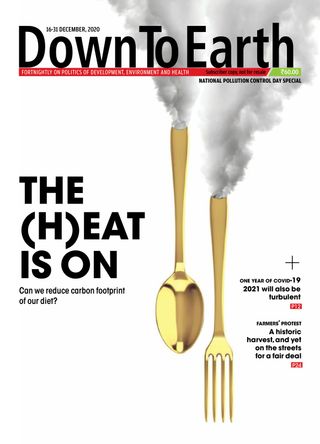

Bu hikaye Down To Earth dergisinin December 16, 2020 baskısından alınmıştır.
Binlerce özenle seçilmiş premium hikayeye ve 9.000'den fazla dergi ve gazeteye erişmek için Magzter GOLD'a abone olun.
Zaten abone misiniz? Oturum aç
Down To Earth'den DAHA FAZLA HİKAYE

Down To Earth
THE GREAT PIVOT
China's moves to transition to clean energy offer critical lessons to India

4 mins
March 01, 2026

Down To Earth
COAL V CORRIDOR
A proposal to mine coal along a corridor that links two tiger reserves in central India is a step away from getting final clearance. The move could affect movement and genetic diversity of tiger populations in the region
8 mins
March 01, 2026

Down To Earth
India's challenging AI predicament
Hobbled by lack of innovation and AI skills in its crucial technology sector, India is focusing on a ruinous plan to host data centres
4 mins
March 01, 2026
Down To Earth
China to implement zero tariffs across Africa
CHINA ON February 14 announced that it will implement zero tariffs for imports from all the 53 African nations it has diplomatic relations with, starting from May 1.
1 min
March 01, 2026
Down To Earth
Poverty, sans the threshold
MEASUREMENT OF poverty is a fundamental exercise, needed to direct development programmes.
2 mins
March 01, 2026

Down To Earth
A bridge across forever
For two decades, a Chhattisgarh village remains stuck in a loop of building temporary river crossings to access markets and sell forest produce
4 mins
March 01, 2026
Down To Earth
Liveable cities need a new model
CRY FOR my Delhi. This is my city—my family records many generations who have lived here.
3 mins
March 01, 2026
Down To Earth
Real impacts of the changing seasons
This refers to the article \"1,500 days, and an alarm for new climate\" (1-15 December, 2025).
1 mins
March 01, 2026

Down To Earth
‘It’s a systematic effort by US to dismantle climate policy’
The US, the world's largest historical emitter of greenhouse gases, has overturned its “endangerment finding”, the legal foundation for regulating emissions under the Clean Air Act since 2009.
4 mins
March 01, 2026
Down To Earth
Amazon turned carbon source in 2023 drought
EXTREME DROUGHT and a prolonged heatwave in 2023 pushed parts of the Amazon rainforest from acting as a carbon sink to becoming a carbon source for three months, according to a February 13 study published in the journal AGU Advances of the American Geophysical Union.
1 min
March 01, 2026
Translate
Change font size