
Magzter GOLD ile Sınırsız Olun
Sadece 9.000'den fazla dergi, gazete ve Premium hikayeye sınırsız erişim elde edin
Denemek ALTIN - Özgür
GOOD WHILE IT LASTED
Down To Earth
|March 16, 2022
Earth is losing species at an unprecedented rate, which, many believe, is the planet's sixth mass extinction. Since the biodiversity loss this time is the doing of humans, the event also marks the beginning of the Anthropocene Epoch, a self-aggrandising nomenclature that highlights our disproportionate and irreversible impacts on the surroundings

1st Extinction
The Ordovician Era
443 million years ago 85% of all species went extinct Reasons: An ice age“ followed by a rapid warming
2nd Extinction
The Devonian Age
374 million years ago 75% of all species went extinct Reasons: Fluctuating sea levels, altering global cooling and warming, drop in Co, concentration and periods of low oxygen
3rd Extinction
The Permian Age
250 million years ago 95% of all species went extinct Reasons: An asteroid hit the planet, filling the air with pulverised particles, leading to inhabitable climate conditions
4th Extinction
The Late Triassic Age
200 million years ago 80% of all species went extinct Reasons: Some colossal geological activity in the today's Atlantic Ocean that resulted in high CO,, global warming and acidified oceans
5th Extinction
Cretaceous Period
65 million years ago 76% of all species went extinct Reasons: Meteor crash in the Yucatan peninsula in Mexico, high volcanic activity
6th Extinction
The Holocene Epoch
About 99% of the planet's species have been lost in the previous five mass extinctions
Ongoing
Reasons: Anthropogenic factors like climate change and introduction of invasive plant species


Bu hikaye Down To Earth dergisinin March 16, 2022 baskısından alınmıştır.
Binlerce özenle seçilmiş premium hikayeye ve 9.000'den fazla dergi ve gazeteye erişmek için Magzter GOLD'a abone olun.
Zaten abone misiniz? Oturum aç
Down To Earth'den DAHA FAZLA HİKAYE

Down To Earth
GREAT NICOBAR DILEMMA
In the fragile ecosystem of Nicobar, strategic development must align with constitutional commitment to protect environment, indigenous dignity

3 mins
March 16, 2026
Down To Earth
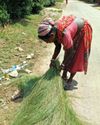
CATCH BY THE ROOTS
Sabai grass could be a game-changer for the marginalised economies of West Bengal's dry uplands. All it needs is an efficient market strategy
4 mins
March 16, 2026

Down To Earth
POWERING TRANSITION
India's renewable ambitions are rising rapidly, with half of its installed power capacity now coming from non-fossil sources. Yet the gap between capacity and generation remains wide. The experiences of two pioneering states, Karnataka and Tamil Nadu, which together generate over a fifth of the country's renewable energy, offer crucial lessons for accelerating the transition, reports PUJA DAS from Bengaluru, Chennai, Mumbai and New Delhi
16 mins
March 16, 2026
Down To Earth
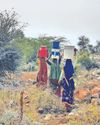
At core of survival
Water scarcity defines life in a village inside Sariska Tiger Reserve's critical habitat, as debates over its relocation drag on
5 mins
March 16, 2026

Down To Earth
What's on your plate
An upcoming digital tool can help people learn about the origin of their meals and make climate-positive food choices
2 mins
March 16, 2026

Down To Earth
'Bad environment can never be good economics'
The Supreme Court of India and even the high courts were once very active and took a proactive role in protecting the environment; unfortunately, that is no longer true
4 mins
March 16, 2026
Down To Earth
Things fall apart
IN THE past year, the world has counted more missiles and bombs than hours.
2 mins
March 16, 2026

Down To Earth
Universities in crisis, innovation is stifled
Political control and skewed policies have led to unrest in academia, stifling creativity and meaningful research
4 mins
March 16, 2026

Down To Earth
SPARK IN THE GAME
The Reserve Bank of India's restored recognition of Default Loss Guarantees re-enables credit flow into last-mile electric mobility
3 mins
March 16, 2026

Down To Earth
Ushering in new eras
An appraisal of the state of biodiversity conservation, pollution reduction and climate adaptation regimes in India
3 mins
March 16, 2026
Translate
Change font size