
Magzter GOLD ile Sınırsız Olun
Sadece 9.000'den fazla dergi, gazete ve Premium hikayeye sınırsız erişim elde edin
Denemek ALTIN - Özgür
Advance guard
New Zealand Listener
|June 11 - 17, 2022
Cerebral palsy is a permanent physical disability that affects muscle control, but early intervention can reduce later symptoms.

Cerebral palsy is not a diagnosis anyone wants for their child, but the earlier parents find out the better. It's the most common childhood physical disability - one in 500 babies is born with it but it doesn't get diagnosed until they are on average 19 months old, meaning opportunities for interventions are missed. Dr. Sian Williams of the Liggins Institute and Professor Susan Stott of Auckland University's Faculty of Medical and Health Sciences are working to change that.
"There's been such a huge shift in what we know about cerebral palsy," says Williams. "We now have a better understanding of the value of neuroplasticity and that golden period of early intervention and what we can do much earlier on for a brain that is still developing that will result in much greater changes in the long run."
Doctors have traditionally taken a wait-and-see approach with cerebral palsy. They may have had their suspicions but not wanted to give bad news until there was more certainty.
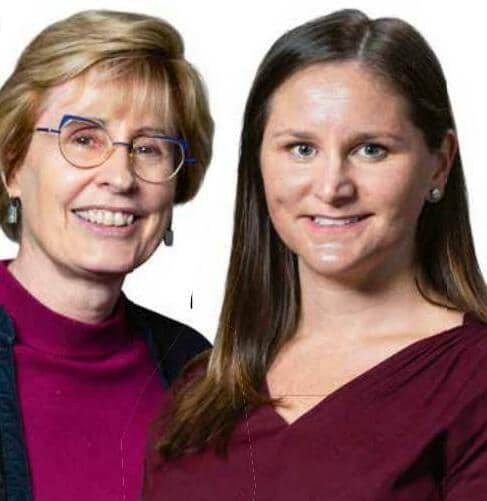
"But what we hear from parents is they want to know," says Stott. "It helps them plan for the future."
Cerebral palsy is a physical disability with signs and symptoms evolving over the first two or three years of life. That makes it challenging for doctors to diagnose in very young babies. Magnetic resonance imaging (MRI) has been relied on in the past, but it doesn't always detect the condition in children who are later found to have it.


Bu hikaye New Zealand Listener dergisinin June 11 - 17, 2022 baskısından alınmıştır.
Binlerce özenle seçilmiş premium hikayeye ve 9.000'den fazla dergi ve gazeteye erişmek için Magzter GOLD'a abone olun.
Zaten abone misiniz? Oturum aç
New Zealand Listener'den DAHA FAZLA HİKAYE
New Zealand Listener
Who's the boss?
A leading political economist believes blindly following the rules leads to inefficiency, less accountability and blunted democracy.

7 mins
May 2-8, 2026

New Zealand Listener
Softening the landing
Modelling may have advanced since 1972 but the outlook for humanity is still as bleak unless we limit growth.
2 mins
May 2-8, 2026

New Zealand Listener
My boyfriend the ATM
Fable-like story muses on what's truly valuable in life, when a strapped Parisian couple discover an easy route to cash.
2 mins
May 2-8, 2026

New Zealand Listener
Skin in the game
Booker Prize winner David Szalay, here for the Auckland Writers Festival, talks about the male experience and writing awkward sex scenes.
8 mins
May 2-8, 2026

New Zealand Listener
Baby love
Kiwi author's latest novel explores the lengths a husband will go to fulfil his wife's dying wish.
3 mins
May 2-8, 2026

New Zealand Listener
Building hope
What excitement there is in Ōtautahi!
2 mins
May 2-8, 2026

New Zealand Listener
Pick & mix
Australian nutritionists Julia Tellidis and Lauren Skora get the school term off to a healthy start.
4 mins
May 2-8, 2026

New Zealand Listener
Cruel waters
The apparent rift within National's ranks goes far deeper than a prime minister's popularity rating.
4 mins
May 2-8, 2026

New Zealand Listener
Broken agreement
Beautifully told time-straddling tale of colonialism, displacement and the power of community.
3 mins
May 2-8, 2026

New Zealand Listener
Knowledge and actions
Public health experts are as likely to eat fish and chips on the beach or drink a beer as anyone else, says Jason Gurney.
3 mins
May 2-8, 2026
Translate
Change font size