Denemek ALTIN - Özgür
THE PEOPLE'S REPUBLIC OF BRITAIN
BBC History Magazine
|April 2022
Charles I was dead, Oliver Cromwell was on the rise, and a nation was grappling with a strange new reality - one without a monarchy. Anna Keay tells the story of the 1650s, through the eyes of three of the people who helped shape Britain's republican decade

On 5 March 1650, early in the life of the new Commonwealth of England, a state funeral was held. There was a stellar turn-out for Roland Wilson, army officer, and politician. Almost the whole of the new political establishment was there: the head of the victorious New Model Army, Lord Fairfax; the lord mayor of London; and a host of MPs who had just taken up executive authority in the young republic.
As the cavalcade swayed solemnly through the city streets, the crowds built. The mood was subdued at first, until one of the “rabble” spotted in the midst of the politicians and soldiers the 46-year-old Cheshire lawyer John Bradshaw, who had presided at the trial of Charles I in January 1649. They cried aloud: “Here is the rogue that judged the king, kill him, kill him. Let us tear him in pieces.” Bradshaw was petrified as they clamoured towards him, brandishing sticks and clubs. He clutched the arm of the lawyer who walked beside him, begging him not to abandon him, before darting down a narrow side street to give the murderous mob the slip.
It was little wonder the crowd was angry. The nation had divided during the years of civil war, with some backing Charles I and others the parliamentary leaders who challenged his policies. Yet the fight had never been about monarchy versus republicanism and both sides claimed to be fighting in the king's name. It was only once the parliamentarians had won, and a radical cabal backed by the army imprisoned many MPs, that Charles I had been tried and executed.
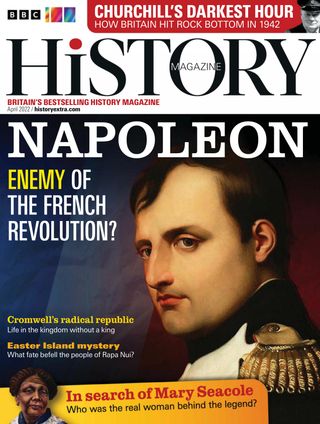

Bu hikaye BBC History Magazine dergisinin April 2022 baskısından alınmıştır.
Binlerce özenle seçilmiş premium hikayeye ve 9.000'den fazla dergi ve gazeteye erişmek için Magzter GOLD'a abone olun.
Zaten abone misiniz? Oturum aç
BBC History Magazine'den DAHA FAZLA HİKAYE
History Extra
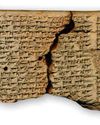
Going for gold
PATRICIA FARA recommends a globetrotting, time-travelling account of the roots of chemistry

2 mins
May 2026
History Extra
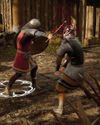
Viking revenge
JAMES OSBORNE indulges his love of Norse history in a role-playing game that scores high on the visuals but only skates over the underlying history
1 mins
May 2026
History Extra
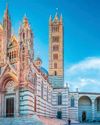
Siena in five places
One of Tuscany's most magical hilltop cities is a medieval marvel of civic pride.
3 mins
May 2026
History Extra
The great survivor
When Elizabeth II ascended the throne in 1952, she could barely have conceived the currents - imperial retreat, multiculturalism, de-industrialiation – that would transform the nation during her reign. On the centenary of the Queen's birth, David Cannadine explores how she navigated seven decades of dizzying change
10 mins
May 2026

History Extra
Georgian Chocolate Tart
ELEANOR BARNETT serves up a rich chocolate tart that was once fit for a recovering king
2 mins
May 2026
History Extra
Capital ideas
A Kingdom and a Village: A One -Thousand-Year History of Moscow
1 mins
May 2026
History Extra
War report
SAM WILLIS enjoys a richly detailed and entertaining account of Admiral Horatio Nelson's greatest victory and its complicated aftermath
2 mins
May 2026
History Extra
The Peasants Revolt erupts
Popular anger at rising living costs shakes feudal England to its core
1 mins
May 2026
History Extra
Tales of coexistence
HEATHER J SHARKEY is impressed by a sweeping yet nuanced book challenging the idea that Jews and Muslims have been locked in a perpetual state of war
2 mins
May 2026

History Extra
"Narratives of victimhood, resistance and sacrifice are core to the Iranian regime's identity"
Revolution, repression and recurring crisis have shaped Iran's recent past – and continue to define its volatile present
10 mins
May 2026
Translate
Change font size