
Magzter GOLD ile Sınırsız Olun
Sadece 9.000'den fazla dergi, gazete ve Premium hikayeye sınırsız erişim elde edin
Denemek ALTIN - Özgür
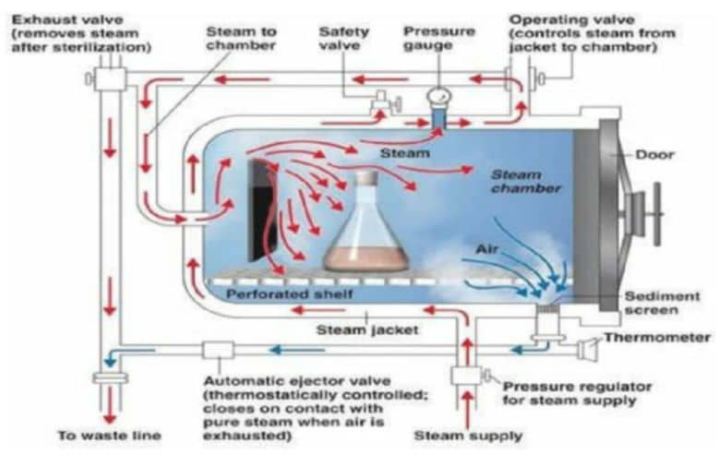
TREATMENT OF MEDICAL AND MEDITEX WASTE
Textile Value Chain
|May 2020
In the current scenario when there is a high demand for personal protective equipment (PPE), many manufacturers have come up to fulfill the needs of the nation during this pandemic “COVID-19”.

The main problem after this pandemic would be the accumulation of huge medical waste which can be hazardous to the environment and living creatures. Another question will be how would medical centers, hospitals, and clinics deal with this medical wastage which will be in tons and tons. And with such huge and massive amounts of hazardous wastes produced by hospitals will need effective and safe ways to dispose of.
The world health organization (WHO) have stated some guidelines for the ways to treat with medical waste which are as follows:
Handling
Hospital staff who handles waste have very high responsibility. Hospital staff who handles waste should always be cautious for their safety because after a certain amount of time when developing routine they become less cautious which may affect their safety and may get an infection or get contamination injury. Staff members handling medical wastage should be trained from time to time which will help as a reminder and refresh their minds and also learn handling techniques, amount of risk contained and information about process dealing with accidents, spillage, how to use protective clothing to avoid risk. Correct waste handling. Should be demonstrated to other staff members too.
Storage

Bu hikaye Textile Value Chain dergisinin May 2020 baskısından alınmıştır.
Binlerce özenle seçilmiş premium hikayeye ve 9.000'den fazla dergi ve gazeteye erişmek için Magzter GOLD'a abone olun.
Zaten abone misiniz? Oturum aç
Textile Value Chain'den DAHA FAZLA HİKAYE

Textile Value Chain
The New Age of Men's Tailoring: From Bespoke to Hybrid Models
Part 1 of the Series: The Evolving World of Men's Tailored Wear

4 mins
January 2026

Textile Value Chain
The Textile Landscape of 2025: A Year of Transformation
Navigating Policy Reforms, Trade Agreements, and Global Events
5 mins
January 2026

Textile Value Chain
Recycled Fibres vs Virgin Fibres: The Real Cost, Footprint & Business Opportunity
For decades, the textile industry asked only one question when choosing raw material:
3 mins
January 2026

Textile Value Chain
2025 in Perspective: A Stronger, Cleaner, Smarter Future for Textiles
The year 2025 reminded the textile and apparel sector that resilience now matters more than pace.
5 mins
January 2026
Textile Value Chain
Heimtextil as a Working lab for Sutlej and its Customers
When the global home textiles industry gathers in Frankfurt this January, Sutlej Textiles is approaching Heimtextil with a clear intent: to treat the fair less as a product parade and more as a live development lab with its buyers and partners.
4 mins
January 2026

Textile Value Chain
Weaving Heritage into Future: A Conversation with Ms Roop Rashi Mahapatra
In an era where fast fashion dominates the global textile landscape, Khadi stands as a timeless symbol of India's heritage, sustainability, and self-reliance.
11 mins
January 2026

Textile Value Chain
Home Textiles: Ever-growing Market to Evergreen Product Source
Indian Home textiles have always enjoyed a special market position, and demand continues to increase, capturing a premium to the budgeted market across different markets, but with one constant hunger for extraordinary design, a super comfortable feel, and the appeal of sophistication, along with changing market dynamics.
4 mins
January 2026

Textile Value Chain
The Velvet Revolution: How This Timeless Fabric is Redefining Modern Textiles
When you run your hand across velvet, something happens.
3 mins
January 2026

Textile Value Chain
SPGPrints Achieves Landmark Success at ITMA ASIA 2025 With Transformative Textile Printing Technology and Key Order Closures
SPGPrints, the global leader in innovative textile printing solutions, announced an overwhelmingly successful participation in ITMA ASIA 2025 at the Singapore Expo.
2 mins
January 2026
Textile Value Chain
Development of Home Textile Products from Post-Consumer Textile Waste
With the growing concern over textile waste and its environmental impact, sustainable approaches for fabric reuse are urgently needed.
5 mins
January 2026
Translate
Change font size