
Magzter GOLD ile Sınırsız Olun
Sadece 9.000'den fazla dergi, gazete ve Premium hikayeye sınırsız erişim elde edin
GARDENERS OF THE FOREST
BBC Wildlife
|April 2022
How a living fossil is making modern Costa Rica greener

ABOUT THE AUTHOR
Lucy Cooke is a broadcaster and zoologist, and writes the regular column Female of the Species for BBC Wildlife (flick back to page 27). She is the author of Bitch: A Revolutionary Guide to Sex, Evolution and the Female Animal (Doubleday, £20).
CONSERVATION heroes come in all shapes and sizes, but none as mysterious as the tapir. Latin America's largest native land mammal is a peculiar-looking beast that swims like a hippopotamus and climbs like a goat. It also eats like an elephant, using an elongated prehensile snout to pluck the tastiest fruit and leaves and deliver them into a decidedly equine mouth.
The tapir appears to have been cobbled together from an eclectic assortment of random beasts. The overall effect is quite prehistoric, which is fitting: the tapir hasn't really changed in more than 35 million years, earning it the title of living fossil. Its closest living relative is the rhinoceros. The tapir shares a profoundly shy nature with its distant cousin, which has ensured this jungle giant's secrets have been well-kept - until now. Research is revealing surprising insights into the tapir's private life, including its unlikely role as a four-footed eco-warrior with a smelly secret weapon.
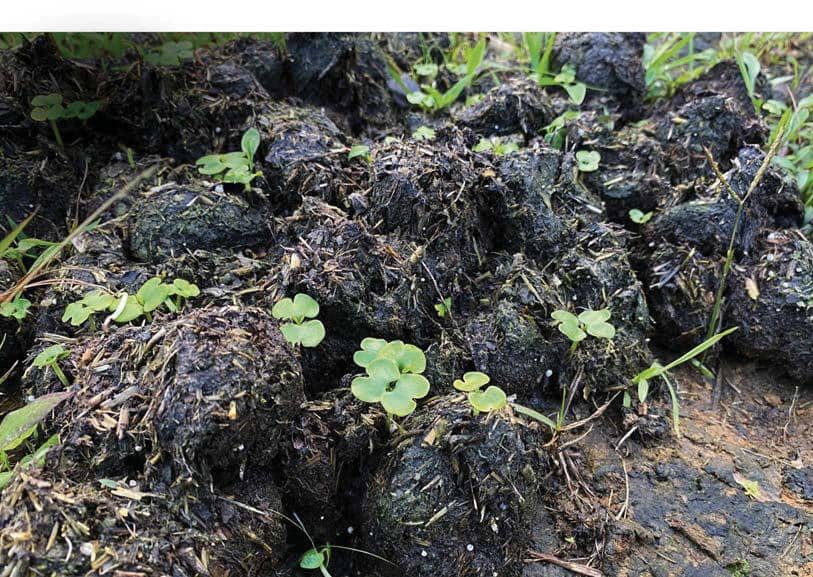
I've always loved odd animals and frankly they don't get much odder than the tapir. So when I got the chance to travel to Costa Rica in late 2021 and hang out with local conservation biologist Esteban Brenes-Mora, AKA "the tapir guy", I jumped at the chance.

Bu hikaye BBC Wildlife dergisinin April 2022 baskısından alınmıştır.
Binlerce özenle seçilmiş premium hikayeye ve 9.000'den fazla dergi ve gazeteye erişmek için Magzter GOLD'a abone olun.
Zaten abone misiniz? Oturum aç
BBC Wildlife'den DAHA FAZLA HİKAYE
BBC Wildlife
"I was terrified the elephant would ram us"
African elephant in Kenya

2 mins
January 2026
BBC Wildlife
ALL YOU EVER NEEDED TO KNOW ABOUT THE Fennec fox
THE FENNEC FOX IS THE SMALLEST fox in the world, with a body length that can be as little as 24cm.
3 mins
January 2026
BBC Wildlife
INTO THE PLASTISPHERE
A unique synthetic ecosystem is evolving in our oceans – welcome to the plastisphere
7 mins
January 2026
BBC Wildlife
“More than half of all animal life exists in a parasitic relationship, and all life lives in symbiosis”
Our survival depends on species evolving to live together - but some relationships take dark turns
7 mins
January 2026
BBC Wildlife
Are animals able to dream?
SLEEP IS A MYSTERIOUS THING. FOR A long time, we weren't sure why we do it.
1 mins
January 2026
BBC Wildlife
Does a cuckoo know it's a cuckoo?
ABSURD LITTLE BIRDS ACROSS THE world lay their eggs in the nests of other species, leaving the hapless parents to raise a changeling at the expense of their own offspring.
2 mins
January 2026
BBC Wildlife
Orcas killing young sharks
Juvenile great whites are easy prey for orca pod
1 mins
January 2026
BBC Wildlife
Ocean goes on tour
Acclaimed film touring the UK, backed by live orchestra and choir
1 min
January 2026
BBC Wildlife
Feisty bats hunt like lions
Winged mammals use a 'hang and wait' strategy to take down large prey
1 mins
January 2026
BBC Wildlife
SNAP-CHAT
Richard Birchett on magical merlins, wily coyotes and charging deer
2 mins
January 2026
Translate
Change font size