
Magzter GOLD ile Sınırsız Olun
Sadece 9.000'den fazla dergi, gazete ve Premium hikayeye sınırsız erişim elde edin
Can The World's Tallest Trees Survive?
BBC Wildlife
|October 2021
Some 30 million people a year make a pilgrimage to northern California to see the towering coastal redwoods. But can the remaining stands of these remarkable trees survive the triple scourge of climate change, drought and wildfires?

For sheer heart-stopping excitement, nothing quite compares with driving up Northern California’s photogenic, cliff-hugging Highway 1, with its dramatic vistas over the Pacific Ocean. This landscape of wave-soaked beaches and rugged, precipitous promontories rivals the best of the Hawaiian islands.
Yet turn inland and the scenery is just as spectacular. Mist-saturated forests run the entire length of the coast (800km from Big Sur to the Oregon border), and are awash with monumental redwood trees.
Motor north up Highway 1, turn east onto Highway 128 in Mendocino County and follow it along the Navarro River, and you’ll find hundreds of these magnificent specimens. Redwoods dominate the landscape for miles, a breathtaking sight that compels drivers to stop and stand among giants.
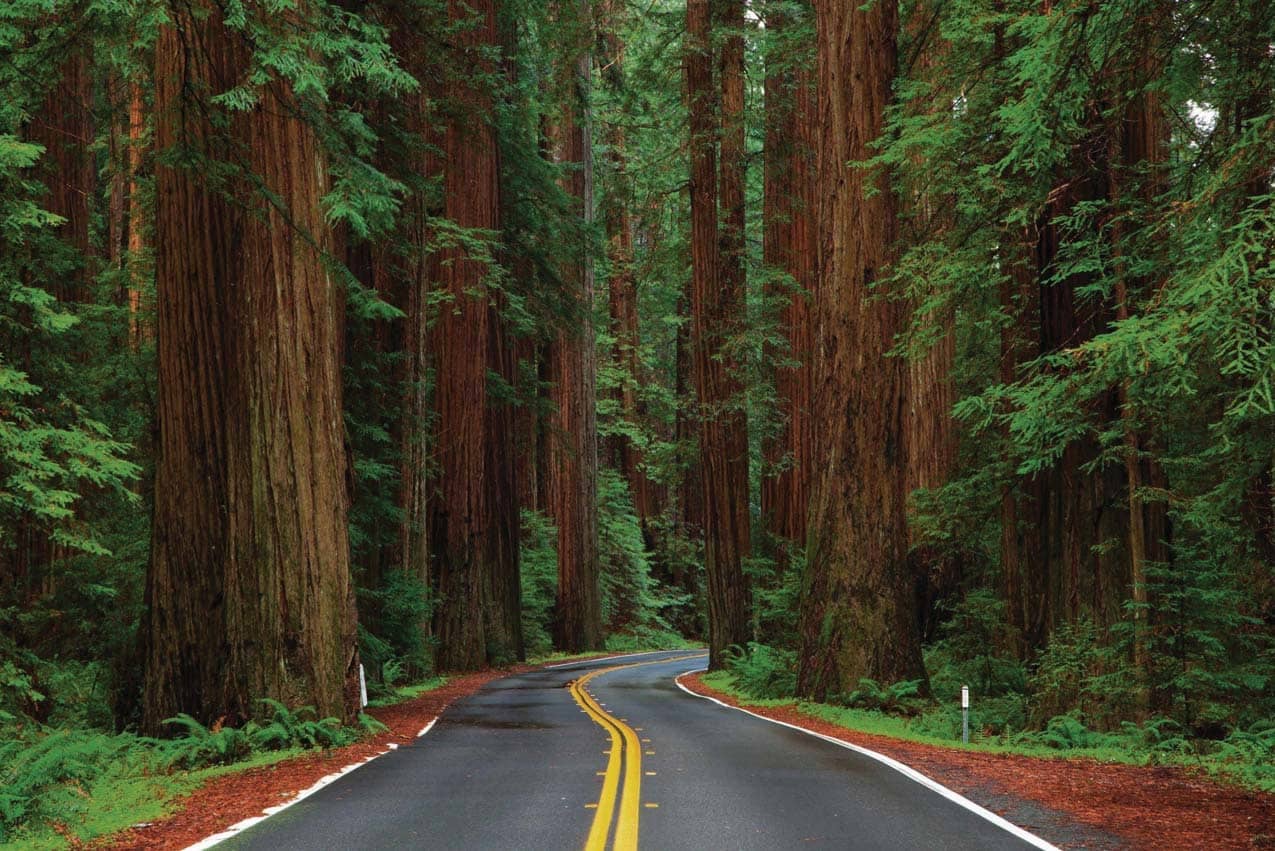
Often referred to as the blue whales of the plant world, coastal redwoods are the tallest living things on the planet, able to exceed more than 100m in height. Equally impressive is their longevity, with many trees reaching their 1,000th birthday. The oldest known redwood is thought to be an eye-popping 2,200 years old.
The tallest individual, a roughly 600-year-old specimen known as Hyperion, is located in Redwood National and State Parks, Humboldt County (a UNESCO World Heritage site). Located on a steep, remote slope, it commands the landscape from a height of nearly 116m.

Bu hikaye BBC Wildlife dergisinin October 2021 baskısından alınmıştır.
Binlerce özenle seçilmiş premium hikayeye ve 9.000'den fazla dergi ve gazeteye erişmek için Magzter GOLD'a abone olun.
Zaten abone misiniz? Oturum aç
BBC Wildlife'den DAHA FAZLA HİKAYE
BBC Wildlife
"I was terrified the elephant would ram us"
African elephant in Kenya

2 mins
January 2026
BBC Wildlife
ALL YOU EVER NEEDED TO KNOW ABOUT THE Fennec fox
THE FENNEC FOX IS THE SMALLEST fox in the world, with a body length that can be as little as 24cm.
3 mins
January 2026
BBC Wildlife
INTO THE PLASTISPHERE
A unique synthetic ecosystem is evolving in our oceans – welcome to the plastisphere
7 mins
January 2026
BBC Wildlife
“More than half of all animal life exists in a parasitic relationship, and all life lives in symbiosis”
Our survival depends on species evolving to live together - but some relationships take dark turns
7 mins
January 2026
BBC Wildlife
Are animals able to dream?
SLEEP IS A MYSTERIOUS THING. FOR A long time, we weren't sure why we do it.
1 mins
January 2026
BBC Wildlife
Does a cuckoo know it's a cuckoo?
ABSURD LITTLE BIRDS ACROSS THE world lay their eggs in the nests of other species, leaving the hapless parents to raise a changeling at the expense of their own offspring.
2 mins
January 2026
BBC Wildlife
Orcas killing young sharks
Juvenile great whites are easy prey for orca pod
1 mins
January 2026
BBC Wildlife
Ocean goes on tour
Acclaimed film touring the UK, backed by live orchestra and choir
1 min
January 2026
BBC Wildlife
Feisty bats hunt like lions
Winged mammals use a 'hang and wait' strategy to take down large prey
1 mins
January 2026
BBC Wildlife
SNAP-CHAT
Richard Birchett on magical merlins, wily coyotes and charging deer
2 mins
January 2026
Translate
Change font size