
Ga onbeperkt met Magzter GOLD
Krijg onbeperkte toegang tot meer dan 9000 tijdschriften, kranten en Premium-verhalen voor slechts
Poging GOUD - Vrij
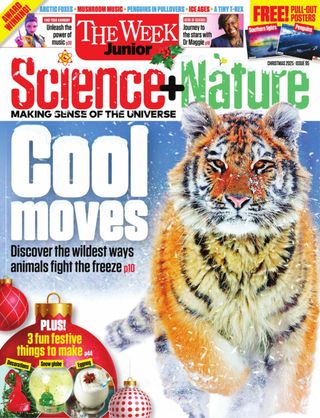
FIGHTING THE FREEZE
The Week Junior Science+Nature UK
|Christmas 2025
Claire Karwowski uncovers nature's wildest ways of fighting the winter freeze.
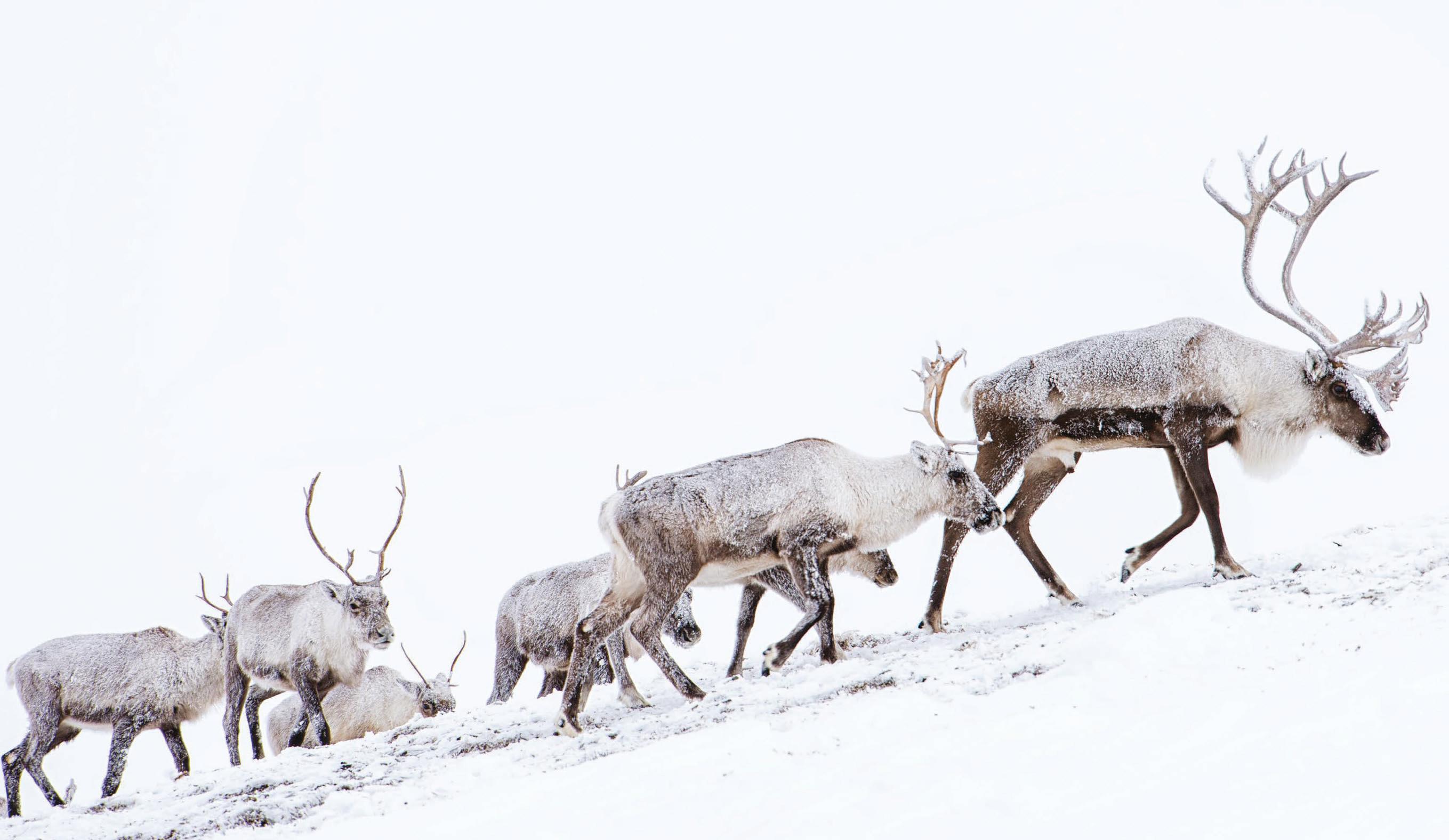
When a chilly winter morning strikes, do you put on some fluffy socks? Or are you stocking up on hot chocolate? Perhaps you like the warmer weather and dream of escaping to a tropical beach? Whether snowfall makes you smile, or the thought of dark days sends you right back to bed, take a look out of the window. The natural world is reacting in similar ways. From toughing out icy winds, braving freezing nights and coping with food shortages, animals have a host of tricks that get them through the chilly times. So grab a blanket and let's spill nature's winter survival secrets.
The bear necessities
When the long cold months arrive, what if you could forget about school, sports and even eating, and instead just cuddle up nice and warm. The winter could pass while you are pleasantly dreaming through the deepest of sleeps. The only alarm would be spring cracking through the cold. If this all sounds like a dream come true, then you could be a great hibernator. Arguably the most famous hibernators are bears, packing on the pounds during the autumn so they can snooze in a cave for the long frozen months —but did you know that bears are not true hibernators? In order to enter into a proper hibernation, an animal's body temperature and heart rate must drop to conserve energy and they will sleep until the cold months are behind them. However, bears occasionally wake from their slumber to gather more food. Also, their body temperatures bear-ly (dad joke alert!) drop. Other animals, such as bats, can enter this hibernation-like state every night to conserve energy. These short stints in deep slumber are referred to as torpor.
One species of bear that doesn't sleep the winter away is the polar bear. Instead, they are well adapted to their snowy homes. They have hollow fur - each hair has a gap inside it- which gives them extra insulation from the cold.
Sleep for survival

Dit verhaal komt uit de Christmas 2025-editie van The Week Junior Science+Nature UK.
Abonneer u op Magzter GOLD voor toegang tot duizenden zorgvuldig samengestelde premiumverhalen en meer dan 9000 tijdschriften en kranten.
Bent u al abonnee? Aanmelden
MEER VERHALEN VAN The Week Junior Science+Nature UK
The Week Junior Science+Nature UK
FIGHTING THE FREEZE
Claire Karwowski uncovers nature's wildest ways of fighting the winter freeze.

6 mins
Christmas 2025
The Week Junior Science+Nature UK
Cook up bioplastic decorations
Make your own eco-friendly ornaments.
1 min
Christmas 2025

The Week Junior Science+Nature UK
Should we switch off Christmas lights?
They brighten up the festive season, but they can have a negative impact on the environment.
1 mins
Christmas 2025
The Week Junior Science+Nature UK
Three spectacular illuminations
Glow Wild, Wakehurst
1 min
Christmas 2025

The Week Junior Science+Nature UK
THE LAST DAYS OF POMPEII
For the first time, an immersive exhibition about the destruction of the ancient Roman city of Pompeii has opened in London.
1 min
Christmas 2025
The Week Junior Science+Nature UK
Wildlife watch
Jenny Ackland unveils a winter wonderland of natural delights this festive season.
1 mins
Christmas 2025
The Week Junior Science+Nature UK
Make Snow globes
Create the perfect Christmas gift.
1 min
Christmas 2025

The Week Junior Science+Nature UK
Maggie Aderin-Pocock
Meet the scientist \"blasting off into space\" at the Christmas Lectures.
3 mins
Christmas 2025
The Week Junior Science+Nature UK
Make vegan eggnog
Whip up a dairy-free festive winter warmer that is perfect for cold nights.
1 min
Christmas 2025
The Week Junior Science+Nature UK
Octopuses
Meet the colour-changing, shape-shifting, fortune-telling aliens of the seas.
2 mins
Christmas 2025
Listen
Translate
Change font size