
Ga onbeperkt met Magzter GOLD
Krijg onbeperkte toegang tot meer dan 9000 tijdschriften, kranten en Premium-verhalen voor slechts
Poging GOUD - Vrij
Pressing Paws
Scientific American
|February 2026
Felines followed a winding path to domestication
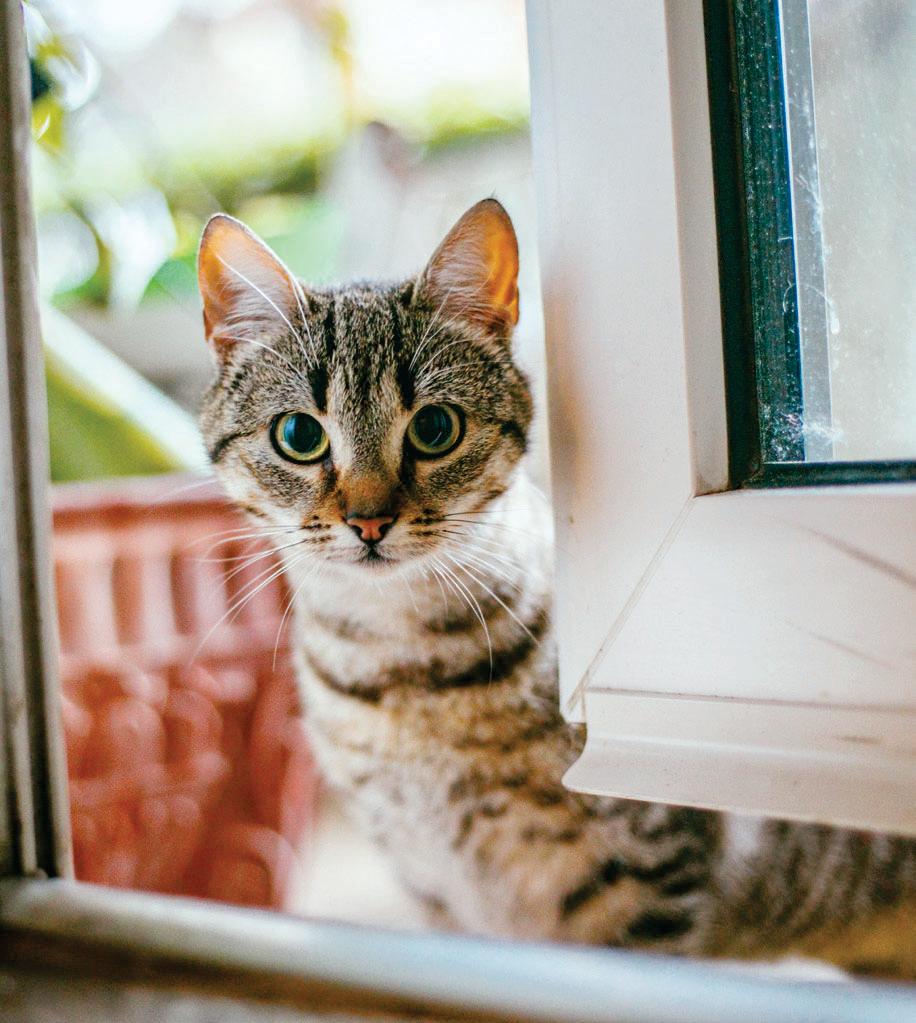
Two studies complicate the path that cats' ancestors took to domestication.
CATS HAVE TAKEN QUITE A JOURNEY from wild animal to undisputed ruler of millions of couches worldwide.
Scientists long knew the broad outlines of that journey. As humans settled into agriculture and began stockpiling grain, local wild cats sought out these stores as promising places to hunt for rodents. Eventually some humans began encouraging the volunteer pest-control officers, sparking a symbiotic relationship in which both cat and person benefited. Faster than a catnap, felines began changing at a genetic level to become domesticated.
But a pair of new studies, one in Science and one in Cell Genomics, shows it isn’t so easy to herd cats—cat domestication unfolded more slowly and less smoothly than scientists had thought.
Both teams faced the same challenge in their quest to understand how cats pussyfooted their way into humans’ lives—namely, a paucity of archaeological evidence through time. There are several reasons for this lack: For instance, cat bones are very small, and because the animals weren't on humans’ menu, their remains wouldn’t have been tossed into the garbage piles archaeologists often excavate. In addition, the first signs of domestication are likely to be behavioral or cosmetic changes—such as new tolerance of humans or new coat colors—that are not visible in bones at all.

Dit verhaal komt uit de February 2026-editie van Scientific American.
Abonneer u op Magzter GOLD voor toegang tot duizenden zorgvuldig samengestelde premiumverhalen en meer dan 9000 tijdschriften en kranten.
Bent u al abonnee? Aanmelden
MEER VERHALEN VAN Scientific American

Scientific American
The Business of Space Weather
A company aims to offer better forecasts based on a new solar model

7 mins
April 2026
Scientific American
Mindless Sleep
Even without brains, sea anemones and jellyfish can sleep like humans do
1 min
April 2026

Scientific American
THE KIDS ARE ALL RIGHT
Young people are doing better than you think
12 mins
April 2026

Scientific American
Something in THE WATER
Pristine alpine lakes are being choked by algal blooms. The culprit is in the air
9 mins
April 2026

Scientific American
A Dose of Prevention
New alert systems and biomarkers are spotting drug- induced kidney damage early, before irreversible harm
6 mins
April 2026

Scientific American
Life on the Edge
Kidney damage can progress for years without symptoms. The newly diagnosed cope with everything from restrictive diets to the emotional and logistical toll of dialysis
9 mins
April 2026
Scientific American
Stopping an Autoimmune Attack
IgA nephropathy, a frequent cause of kidney failure, is underdiagnosed. New treatments mean it's more important now to find those who will benefit
8 mins
April 2026
Scientific American
Mindless Sleep
Even without brains, sea anemones and jellyfish can sleep like humans do
4 mins
April 2026
Scientific American
Microbes Afloat
BACTERIA AND THE VIRUSES that infect them are perpetually at war. Their deadly clashes push both kinds of microbes to evolve new traits that meet the challenges of every environment they inhabit, from the human digestive tract to the seafloor’s hydrothermal vents— and even the harsh conditions of space.
2 mins
April 2026
Scientific American
The Strangest Bloom
Research reveals how the corpse flower came by its peculiar traits
9 mins
April 2026
Listen
Translate
Change font size