
Ga onbeperkt met Magzter GOLD
Krijg onbeperkte toegang tot meer dan 9000 tijdschriften, kranten en Premium-verhalen voor slechts
Dog Detectors
Scientific American
|September 2025
Pessimistic dogs may be better sniffersand other pointers for smelling out disease
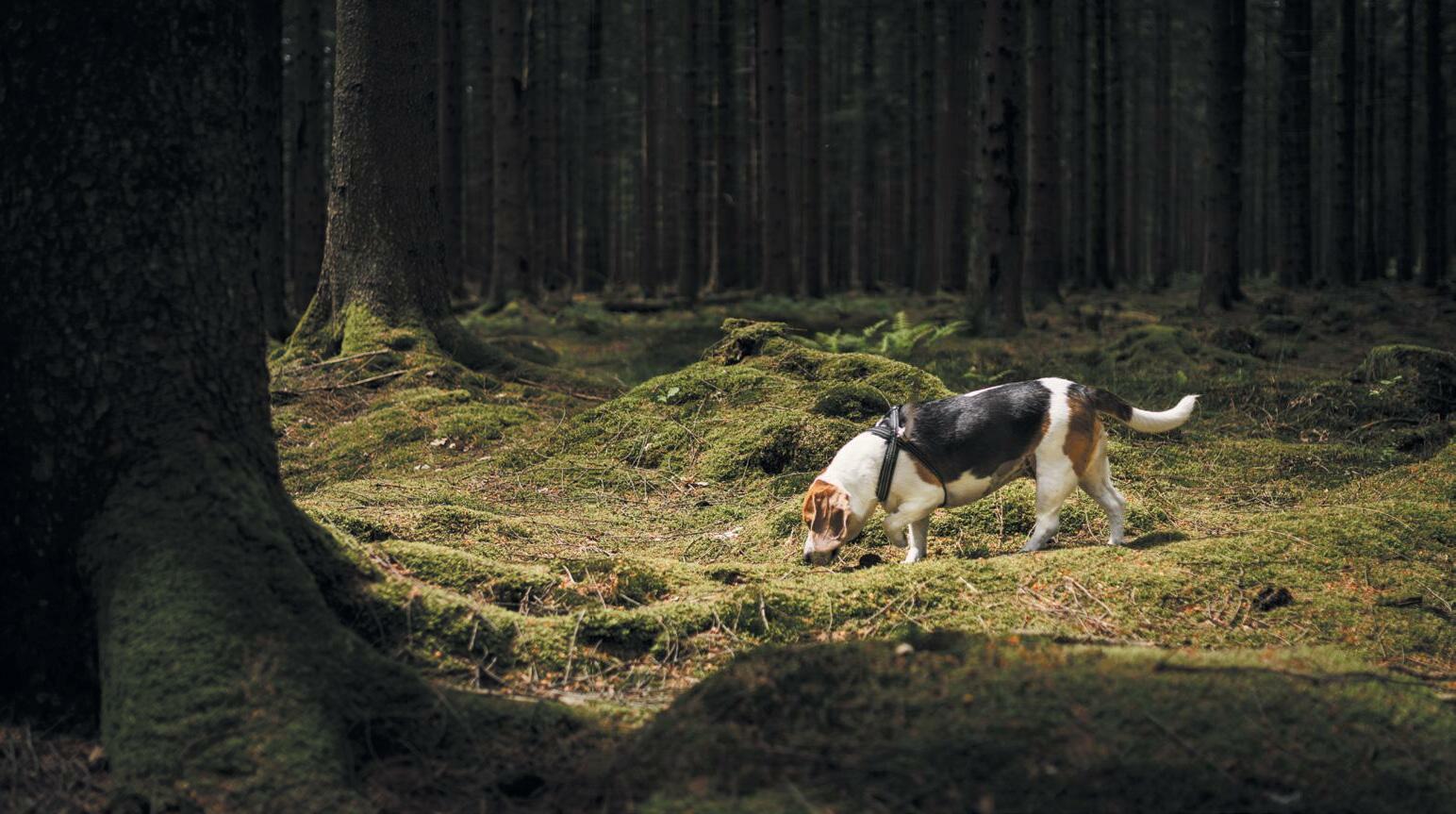
BILLY, A FLOPPY-EARED LITTLE beagle, darts around a platform sniffing a series of holes. Each hole contains a used surgical-type mask bearing a different human's distinct mix of scents. But her sharp nose is hunting for just one such combination: the one that signals cancer.
Cancer can change a person's “volatilome,” the unique set of volatile organic compounds found in breath, sweat, blood and urine. Billy and her cohort have learned to sniff out these subtle scent cues in masks worn by people with cancer diagnoses. Researchers are also studying how dogs can detect diseases such as COVID and malaria, as well as psychological conditions, including post-traumatic stress disorder.
Scientists discovered dogs’ powerful disease-smelling skills in 1989, when a dog detected cancer in its handler. But clinicians still do not routinely use dogs for diagnosis. Besides the obvious logistical challenges, dogs vary greatly in their olfactory accuracy. Researchers are increasingly finding that disease-sniffing prowess may come down to individual dogs’ personality—and how well their handlers know them. New research efforts are focused on figuring out which dogs would be best for the job and on interpreting dogs’ behaviors during a smell test.
Sharyn Bistre Dabbah, a veterinary scientist now at the University of Bristol in England, set out with colleagues at the U.K. charity Medical Detection Dogs to learn how the animals’ personalities—especially their level of optimism or pessimism—affect disease-detection skills. Their results appeared recently in PLoS One.
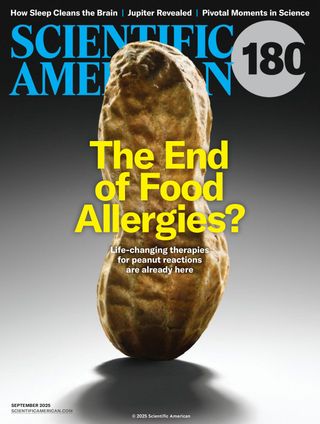

Dit verhaal komt uit de September 2025-editie van Scientific American.
Abonneer u op Magzter GOLD voor toegang tot duizenden zorgvuldig samengestelde premiumverhalen en meer dan 9000 tijdschriften en kranten.
Bent u al abonnee? Aanmelden
MEER VERHALEN VAN Scientific American
Scientific American
Flashes in the Night
Celestial transients shine furiously and briefly. Astronomers are just beginning to understand them.

13 mins
January 2026

Scientific American
The Imperiled Orcas of the Salish Sea
The southern resident killer whales are on the brink. Now the scientists who study them are, too
17 mins
January 2026
Scientific American
The Reptile Sexpocalypse
The sex of many turtles, crocodilians, and other reptiles is determined by the temperature at which their eggs incubate. Global warming could doom them
11 mins
January 2026

Scientific American
A Suite of Killers
Heart ailments, kidney diseases and type 2 diabetes actually may be part of just one condition. It's called CKM syndrome
10 mins
January 2026
Scientific American
A Good Night's Sleep
Psychological data and brain scans show all the ways sleep can improve our lives, our bodies and our relationships
1 mins
January 2026

Scientific American
Behind the Nobel
A 2025 winner reflects on the mysterious T cells that won him the prize
5 mins
January 2026
Scientific American
Cable Quakes
Fiber optics that connect the world can detect its earthquakes, too
2 mins
January 2026

Scientific American
Inside Asteroid Family Trees
Asteroid origins can be hard to trace
4 mins
January 2026

Scientific American
Think Again
Chimpanzees can weigh evidence and update their beliefs like humans do.
3 mins
January 2026

Scientific American
Cracking the World's Most Famous Code
Solving the CIA's Kryptos puzzle took three parts math and one part sleuthing
6 mins
January 2026
Listen
Translate
Change font size