Poging GOUD - Vrij
REAL-LIFE ZOMBIES
How It Works UK
|Issue 204
How much science is there behind the grasping undead creatures of horror flicks?
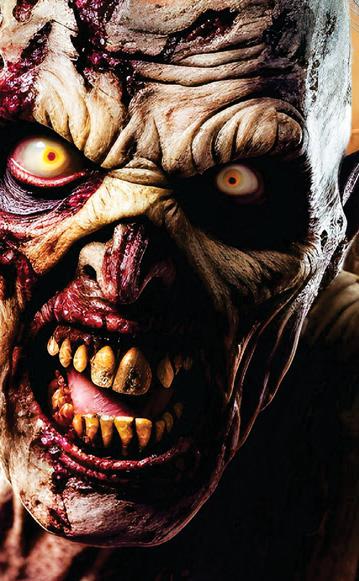
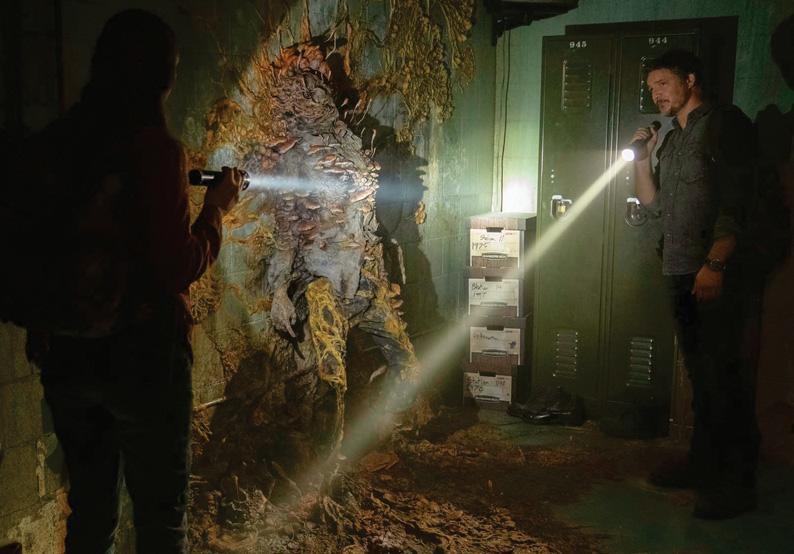
It's been decades since the rage virus escaped from a primate research laboratory in Cambridge, but now we can finally find out what the zombie-infested world has come to in the 28 Days Later sequel, coming to cinemas on 20 June 2025. Aptly named 28 Years Later, it follows a group of survivors living on a small island before they set off to the mainland to investigate the virus that's transformed its hosts into mindless killing machines. Thankfully, there's no such virus that exists in the real world, but Hollywood largely drew its inspiration for this movie from the properties of a pathogen that's passed on through a bite, in particular rabies.
It's estimated that 59,000 people die from the rabies virus each year. The majority of those contract the disease from a dog bite. Once infected, people typically present their symptoms in one of two ways: paralytic rabies or furious rabies. Also known as 'dumb rabies', the paralytic version of the disease causes its sufferers to experience a range of symptoms such as muscle weakness, drooling and paralysis. The symptoms of furious rabies, on the other hand, are much more severe and have been replicated on screen to create what we recognise as quintessential zombie behaviour.
For around 80 per cent of sufferers, rabies manifests with hyperactivity, hallucinations, hydrophobia (a fear of water) and erratic behaviour. This can also come with the desire to bite another person... sound familiar? The heightened aggression and desire to bite help the virus spread. Once infected with rabies, the virus travels through the body's nervous system until it finds its way to the salivary glands, where it will replicate and inevitably find its way to another host.


Dit verhaal komt uit de Issue 204-editie van How It Works UK.
Abonneer u op Magzter GOLD voor toegang tot duizenden zorgvuldig samengestelde premiumverhalen en meer dan 9000 tijdschriften en kranten.
Bent u al abonnee? Aanmelden
MEER VERHALEN VAN How It Works UK

How It Works UK
FORMULA FAST
YOUR ULTIMATE GUIDE TO FORMULA ONE RACING

1 mins
Issue 212
How It Works UK
MY LIFE AS AN ASTHMANAUT
A CHILDREN'S BOOK ABOUT ASTHMA
1 min
Issue 212

How It Works UK
LYDIA LOVES BUGS
A SHORT AND SWEET STORY OF AN ENTHUSIASTIC ENTOMOLOGIST
1 min
Issue 212

How It Works UK
INSIDE A DRONE
Drones aren't just for the military any more. These flying marvels are now taking over our lives
3 mins
Issue 212
How It Works UK
WE CAN HEAR WITHOUT EARS
AND OTHER THINGS YOU DIDN'T KNOW WE PLANTS COULD DO
1 min
Issue 212
How It Works UK
DO GEESE GET GOOSEBUMPS?
Many animals experience a similar reaction when they feel cold or scared
2 mins
Issue 212

How It Works UK
SUBMARINES WITHOUT SAILORS
Dive into the world of autonomous submarines and discover the mission that will see one sail around the world
4 mins
Issue 212
How It Works UK
WHAT HAPPENS INSIDE A COCOON?
How certain species of insects transform from crawling caterpillars to flying moths and butterflies
3 mins
Issue 212

How It Works UK
HOW THE ROSE LOST ITS SCENT
From floral to fragranceless, there's a biological reason behind a rose's missing odour today
3 mins
Issue 212
How It Works UK
How many insects have been discovered so far?
The total number of named species is around a million.
7 mins
Issue 212
Listen
Translate
Change font size