Poging GOUD - Vrij
INSIDE AIR FORCE ONE
How It Works UK
|Issue 176
What's on board the US president's personal aeroplane?

It's essential to track the whereabouts of any aircraft that takes to the sky. However, when one of the passengers on board is a high-profile government figure such as the President of the United States, the safety and security of the aircraft is taken much more seriously. Equipped with nuclear bomb-resistant materials and technology that can make it invisible to enemies, the president's aircraft is designed to be one of the safest aeroplanes on Earth. This plane is referred to as Air Force One.
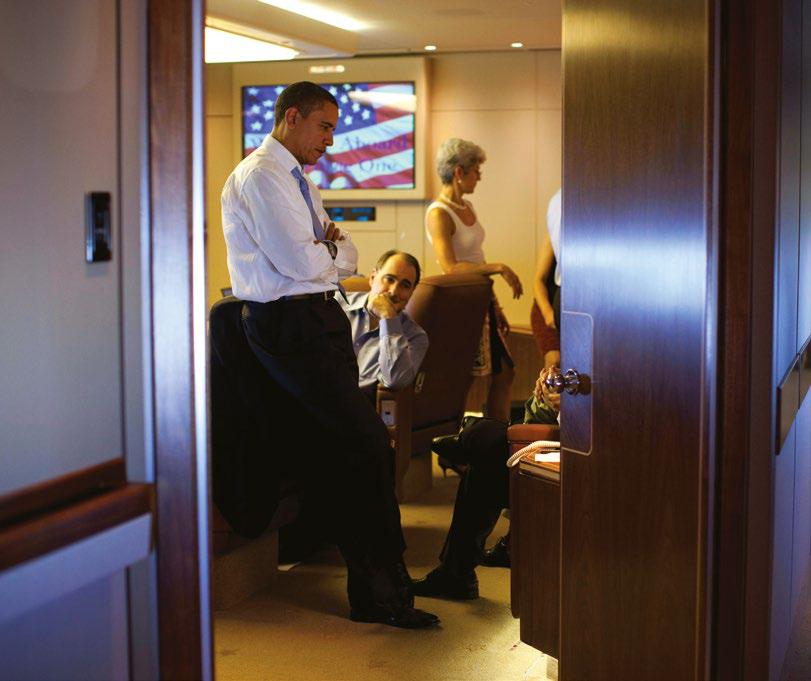
Air Force One is not a term that refers to one specific plane, but any aircraft that is carrying the current US president. Even planes that are designed to carry the person at the top of the US government cannot be referred to Air Force One until the president steps on board. The term was first coined in 1953 when the president's aircraft and a commercial airliner had the same flight number and entered the same airspace at the same time. To prevent air-traffic controllers from confusing the president's plane with another aircraft, Air Force One has been used as its designation ever since.
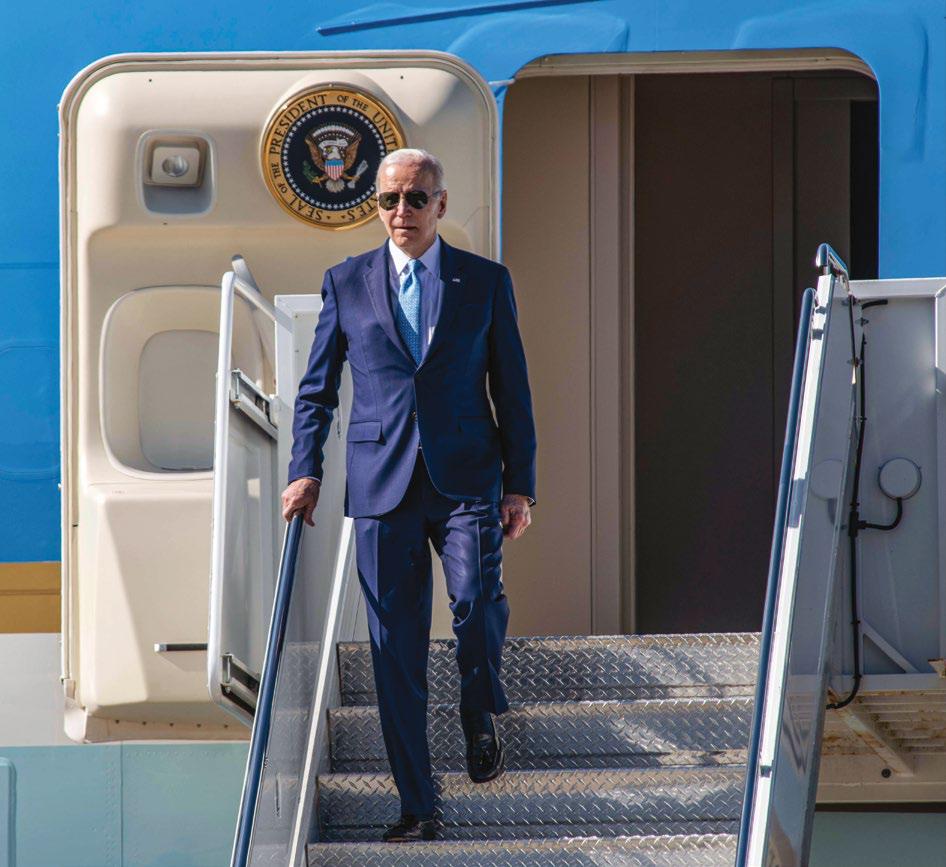
The two current Air Force Ones are Boeing 747-200Bs. These models have been in service as the presidents' jets since 1990, so to stop them becoming too outdated, a new generation of Air Force Ones are under construction. The new model will be the Boeing 747-8. To keep the aircraft secure, many of the details are classified, but its features are expected to remain similar to the current Air Force One planes - providing a high level of luxury and safety on all of the president's future trips.

Dit verhaal komt uit de Issue 176-editie van How It Works UK.
Abonneer u op Magzter GOLD voor toegang tot duizenden zorgvuldig samengestelde premiumverhalen en meer dan 9000 tijdschriften en kranten.
Bent u al abonnee? Aanmelden
MEER VERHALEN VAN How It Works UK

How It Works UK
FORMULA FAST
YOUR ULTIMATE GUIDE TO FORMULA ONE RACING

1 mins
Issue 212

How It Works UK
MY LIFE AS AN ASTHMANAUT
A CHILDREN'S BOOK ABOUT ASTHMA
1 min
Issue 212

How It Works UK
LYDIA LOVES BUGS
A SHORT AND SWEET STORY OF AN ENTHUSIASTIC ENTOMOLOGIST
1 min
Issue 212
How It Works UK
INSIDE A DRONE
Drones aren't just for the military any more. These flying marvels are now taking over our lives
3 mins
Issue 212

How It Works UK
WE CAN HEAR WITHOUT EARS
AND OTHER THINGS YOU DIDN'T KNOW WE PLANTS COULD DO
1 min
Issue 212
How It Works UK
DO GEESE GET GOOSEBUMPS?
Many animals experience a similar reaction when they feel cold or scared
2 mins
Issue 212
How It Works UK
SUBMARINES WITHOUT SAILORS
Dive into the world of autonomous submarines and discover the mission that will see one sail around the world
4 mins
Issue 212
How It Works UK
WHAT HAPPENS INSIDE A COCOON?
How certain species of insects transform from crawling caterpillars to flying moths and butterflies
3 mins
Issue 212

How It Works UK
HOW THE ROSE LOST ITS SCENT
From floral to fragranceless, there's a biological reason behind a rose's missing odour today
3 mins
Issue 212
How It Works UK
How many insects have been discovered so far?
The total number of named species is around a million.
7 mins
Issue 212
Translate
Change font size