Poging GOUD - Vrij
HOW TO EXPLORE IMPOSSIBLE DEPTHS
How It Works UK
|Issue 204
Crabster is built to crawl across the ocean floor, reaching locations off limits to other submarines
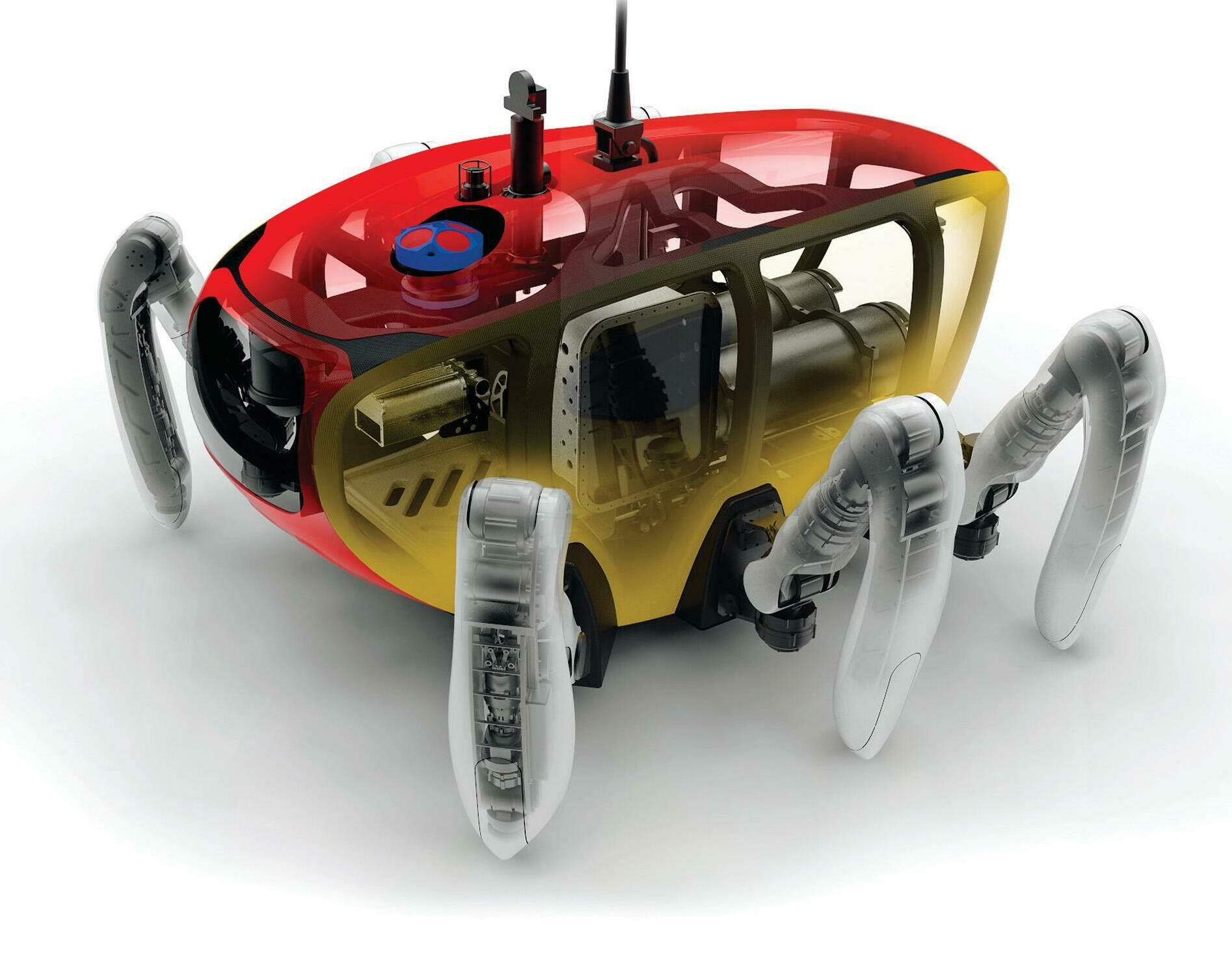
Inspired by crabs and lobsters, the Crabster underwater robot has been designed to walk along the floor of the ocean, enduring currents that would knock its propeller-powered cousins off course. Designed by engineers at the Korea Institute for Ocean Science and Technology (KIOST), it can adjust its posture to cope with the toughest of conditions.
Crabster has six legs - as opposed to a biological crab's eight - and can use the front pair to pick up objects from the ocean floor to be examined at the surface. The design was inspired by conditions off the Korean coast. “There are strong currents and cloudy water off the Korean Peninsula,” says Dr Bong-Huan Jun, who is leading Crabster's development. “We have never been able to explore that area with conventional propeller-driven underwater vehicles. The strong current blows them off course or prevents them from keeping their position and attitude.”


Dit verhaal komt uit de Issue 204-editie van How It Works UK.
Abonneer u op Magzter GOLD voor toegang tot duizenden zorgvuldig samengestelde premiumverhalen en meer dan 9000 tijdschriften en kranten.
Bent u al abonnee? Aanmelden
MEER VERHALEN VAN How It Works UK

How It Works UK
FORMULA FAST
YOUR ULTIMATE GUIDE TO FORMULA ONE RACING

1 mins
Issue 212

How It Works UK
MY LIFE AS AN ASTHMANAUT
A CHILDREN'S BOOK ABOUT ASTHMA
1 min
Issue 212

How It Works UK
LYDIA LOVES BUGS
A SHORT AND SWEET STORY OF AN ENTHUSIASTIC ENTOMOLOGIST
1 min
Issue 212

How It Works UK
INSIDE A DRONE
Drones aren't just for the military any more. These flying marvels are now taking over our lives
3 mins
Issue 212

How It Works UK
WE CAN HEAR WITHOUT EARS
AND OTHER THINGS YOU DIDN'T KNOW WE PLANTS COULD DO
1 min
Issue 212

How It Works UK
DO GEESE GET GOOSEBUMPS?
Many animals experience a similar reaction when they feel cold or scared
2 mins
Issue 212

How It Works UK
SUBMARINES WITHOUT SAILORS
Dive into the world of autonomous submarines and discover the mission that will see one sail around the world
4 mins
Issue 212

How It Works UK
WHAT HAPPENS INSIDE A COCOON?
How certain species of insects transform from crawling caterpillars to flying moths and butterflies
3 mins
Issue 212

How It Works UK
HOW THE ROSE LOST ITS SCENT
From floral to fragranceless, there's a biological reason behind a rose's missing odour today
3 mins
Issue 212
How It Works UK
How many insects have been discovered so far?
The total number of named species is around a million.
7 mins
Issue 212
Listen
Translate
Change font size