Poging GOUD - Vrij
HIDDEN IN PLAIN SIGHT
Down To Earth
|September 01, 2022
The plastic problem needs to be reframed. The issue is not just how plastic waste is disposed of, but also how the material enters the supply chain and for whose benefit. India cannot end plastic pollution until it holds the petrochemical behemoths and the plastic industry accountable for manufacturing the menace

JUST TWO years after Prime J Minister Narendra Modi in his Independence Day speech called for putting an end to the use of single-use plastics, India imposed a ban on 21 such items from July 1, 2022.
While the rollout is a positive step, the Centre's decision not to include packaging plastics, an umbrella term for a host of plastic products used by fast moving consumer goods (FMCG) companies, is likely to come in the way of Modi's plan to make India single-use-plastic-free by 2022. After all, packaging plastic, which includes everything from plastic bottles and sachets to multi-layered plastic (MLP) packets used for junk food, accounted for 59 per cent of the country's plastic waste generated in 2018-19, according to the plastic industry body PlastIndia Foundation.
The reason the FMCG sector has escaped the ban largely unscathed is the skewed discourse conveniently peddled by the industry. They claim that the problem with plastics is only of waste management and not of material production because it can be recycled, repurposed, burned and buried. This selective approach is unlikely to solve the plastic waste problem that is mounting at an alarming rate.
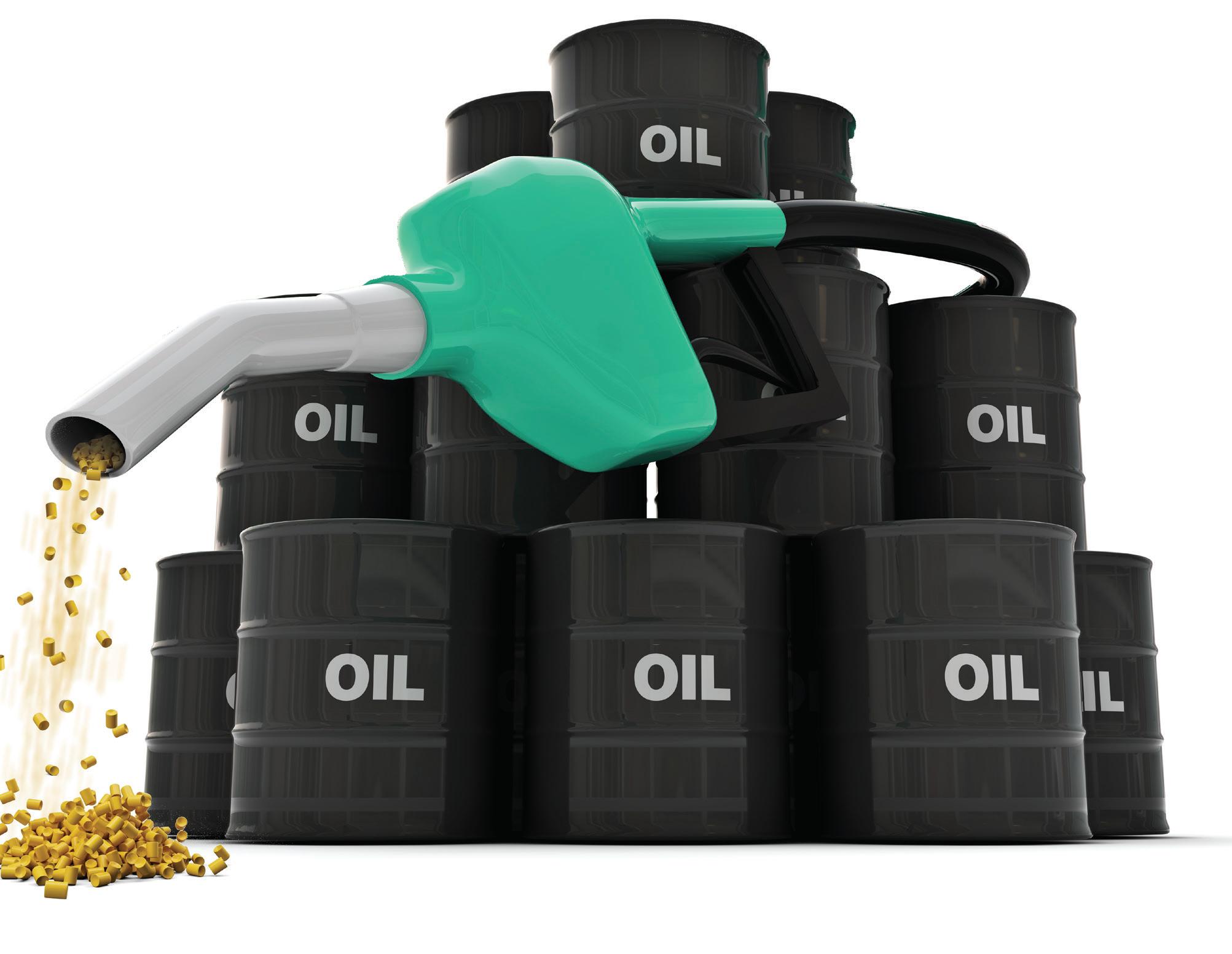
If the trend continues, greenhouse gas emissions from plastics alone would contribute around 15 per cent of the global carbon budget by 2050, warns a 2019 study published in Nature Climate Change. The lifetime cost to society, the environment and the economy of plastic produced in 2019 alone was US $3.7 trillion-more than India's gross domestic product-estimates a 2021 report by international non-profit wwF. Unless action is taken, this cost is set to double for the plastic produced in 2040, it warns.

Dit verhaal komt uit de September 01, 2022-editie van Down To Earth.
Abonneer u op Magzter GOLD voor toegang tot duizenden zorgvuldig samengestelde premiumverhalen en meer dan 9000 tijdschriften en kranten.
Bent u al abonnee? Aanmelden
MEER VERHALEN VAN Down To Earth

Down To Earth
BEYOND COLLATERAL DAMAGE
Recent geopolitical conflicts are urging a reconsideration of what constitutes environmental harm in war and the limits of existing legal frameworks

3 mins
April 01, 2026

Down To Earth
Masterstroke
Residents of a small Kerala town reject an inadequate state-led development blueprint and create their own master plan that prioritises protection of historic water systems and urban commons
4 mins
April 01, 2026

Down To Earth
Rethinking E20
It is pertinent to explore potential of ethanol as high-value industrial feedstock
4 mins
April 01, 2026
Down To Earth
Food in the age of climate change
WHEN WE eat, we contribute to climate change. But food is also about livelihoods, about nutrition and about nature.
3 mins
April 01, 2026

Down To Earth
FADING WINTER
India's winters are warming, becoming shorter, shifting and spilling beyond their traditional bounds. The consequences are already evident in meltwater availability, forest-fire intensity and changes in flowering cycles and insect behaviour.
20 mins
April 01, 2026

Down To Earth
War on Iran strikes India's pharmaceuticals sector
Shortages of critical raw materials and rising input costs for the drug industry will have global consequences
4 mins
April 01, 2026

Down To Earth
POWER IN AN AGE OF INSECURITY
Energy transition is no longer solely about emission reduction but also about energy security
3 mins
April 01, 2026
Down To Earth
Re-discovery of fuelwood
THE WEST Asia conflict has made visible a multi-billion dollar energy market in India.
2 mins
April 01, 2026

Down To Earth
A CASE THAT RESHAPED INDIA'S ENVIRONMENT
The case of MC Mehta v Union of India stands as proof that a proactive judiciary can accelerate action even when the executive drags its feet
4 mins
April 01, 2026
Down To Earth
FOREVER DEPENDENT
India depends on global fertiliser supply chains for 70 per cent of its needs, leaving its food security exposed to geopolitical disruptions
6 mins
April 01, 2026
Translate
Change font size