
Ga onbeperkt met Magzter GOLD
Krijg onbeperkte toegang tot meer dan 9000 tijdschriften, kranten en Premium-verhalen voor slechts
Tianwen-2 - Unravelling the secrets of asteroids
BBC Sky at Night Magazine
|May 2025
China is set to mount the latest mission to retrieve a sample of an asteroid and bring it home. Stuart Atkinson investigates
-
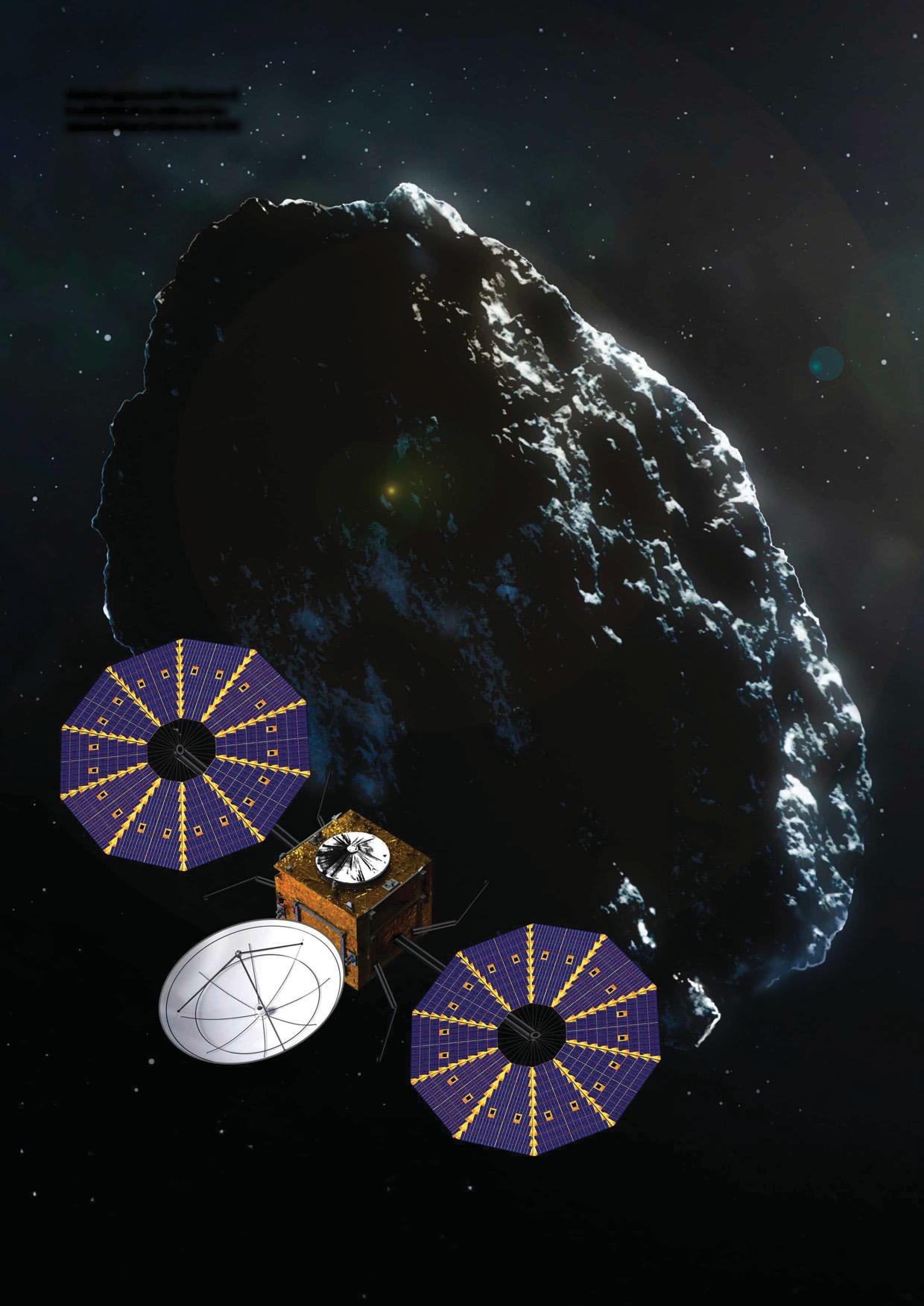
Asteroids were once dismissed by astronomers as "the vermin of the skies", constantly getting in the way of more important observations. Not anymore. The former vermin have become one of the hottest areas of space research. Asteroids can reveal the history of our Solar System and offer a tantalising wealth of metals and minerals, not to mention their importance as a threat to our very existence on this planet. This month, China prepares to join in the quest to understand these space rocks with the launch of its most complex planetary mission to date, Tianwen-2. The spacecraft aims to visit not one but two asteroids, returning a fragment of one to Earth and cementing the nation's place as a major player in space exploration.
Cosmic time capsules
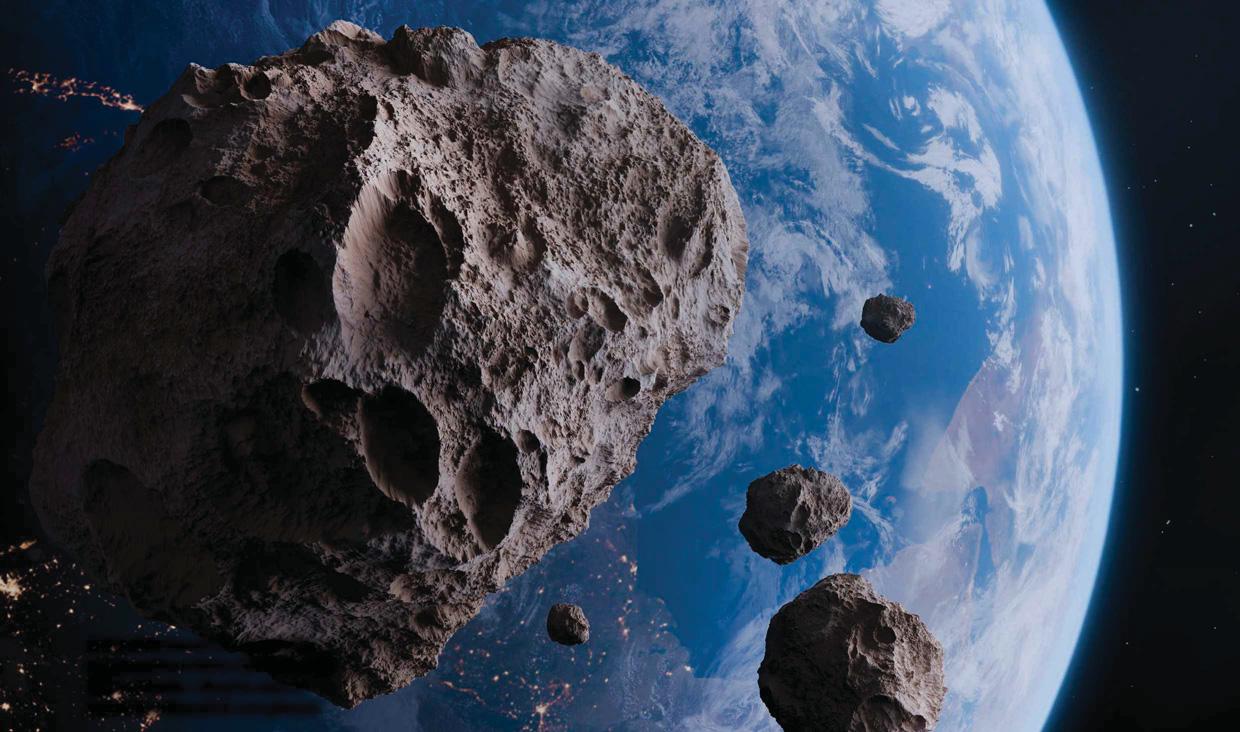 The mission is the latest step in a long journey of learning about these space rocks, which began with the discovery of the first asteroid, Ceres, by the astronomer Giuseppe Piazzi on 1 January 1801. Today, we know the positions and orbits of many thousands of asteroids with great accuracy and more are being found all the time. Around the world, survey telescopes are taking images of the sky, finding asteroids and tracking their orbits around the Sun, some of which pass perilously close to Earth.
Eyebrows were raised in genuine concern earlier this year when an asteroid was found that, at first glance, had a small chance of colliding with Earth in seven years.
Luckily for us, the Statue of Liberty-sized 2024 YR4 will miss us, so there was no need to start training Bruce Willis to fly a souped-up Space Shuttle with a nuke in its payload bays.
We won't always be so lucky, and YR4 served as a timely reminder that one day astronomers will find an asteroid on a direct collision course with our planet.

Dit verhaal komt uit de May 2025-editie van BBC Sky at Night Magazine.
Abonneer u op Magzter GOLD voor toegang tot duizenden zorgvuldig samengestelde premiumverhalen en meer dan 9000 tijdschriften en kranten.
Bent u al abonnee? Aanmelden
MEER VERHALEN VAN BBC Sky at Night Magazine
BBC Sky at Night Magazine
MOONWATCH
January's top lunar feature to observe

2 mins
January 2026
BBC Sky at Night Magazine
Speed up your processing workflow
How to use Photoshop's Actions tool to drastically cut your processing time
3 mins
January 2026

BBC Sky at Night Magazine
Chasing Canada's polar lights
With solar maximum peaking and a new Moon promising dark skies, Jamie Carter travels to Churchill, Manitoba to hunt the Northern Lights - and dodge polar bears – in Canada's far north
7 mins
January 2026
BBC Sky at Night Magazine
Beyond Pluto: The search for the hidden planets
Could one – or even two - undiscovered planets lurk at the edges of our Solar System? Nicky Jenner explores how close we are to finding the elusive 'Planet 9'
6 mins
January 2026
BBC Sky at Night Magazine
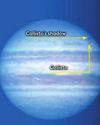
Jupiter moon events
Jupiter is a magnificent planet to observe.
2 mins
January 2026

BBC Sky at Night Magazine
What samples from space have taught us
Alastair Gunn explains what scientists have learnt in the 20 years since the first unmanned mission brought materials back from alien worlds
3 mins
January 2026
BBC Sky at Night Magazine
The Milky Way as you've never seen it before
This is the largest low-frequency radio colour image of our Galaxy ever assembled
1 min
January 2026

BBC Sky at Night Magazine
Merger of ‘impossibly' massive black holes explained
Scientists discover how enormous, fast-spinning black holes can exist after all
1 mins
January 2026
BBC Sky at Night Magazine
Lunar occultation of the Pleiades
BEST TIME TO SEE: 27 January from 20:30 UT
1 min
January 2026
BBC Sky at Night Magazine
The Universe's expansion may be slowing down
New study suggests current theories of dark energy could be wrong
1 mins
January 2026
Listen
Translate
Change font size