
Ga onbeperkt met Magzter GOLD
Krijg onbeperkte toegang tot meer dan 9000 tijdschriften, kranten en Premium-verhalen voor slechts
From possible planets to STRANGE NEW WORLDS
BBC Sky at Night Magazine
|August 2022
With 5,000 exoplanets now confirmed and another 5,000 waiting to follow suit, Ezzy Pearson takes a look at how a deluge of tantalising data is revealing intriguing new worlds every day

Back in 1992, humanity received its first definitive answer to a question it had been asking for centuries: are there other worlds beyond our Solar System? The answer came in the form of Poltergeist and Phobetor, the first potential planets to have their existence confirmed and become fully fledged exoplanets.
Over the following three decades, dozens of surveys and observation campaigns have tracked down ever more exoplanets in the Milky Way, and on 21 March 2022 the NASA Exoplanet Archive announced it had passed the threshold of 5,000 validated exoplanets.
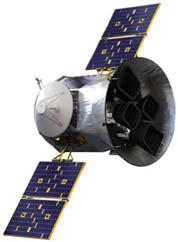
But while it took 30 years to reach this number, doubling it will take considerably less time. In the same month as the archive's announcement, astronomers working on NASA's Transiting Exoplanet Survey Satellite (TESS) revealed they had obtained another 5,000 exoplanet candidates, which were awaiting confirmation, and there were even more to come.
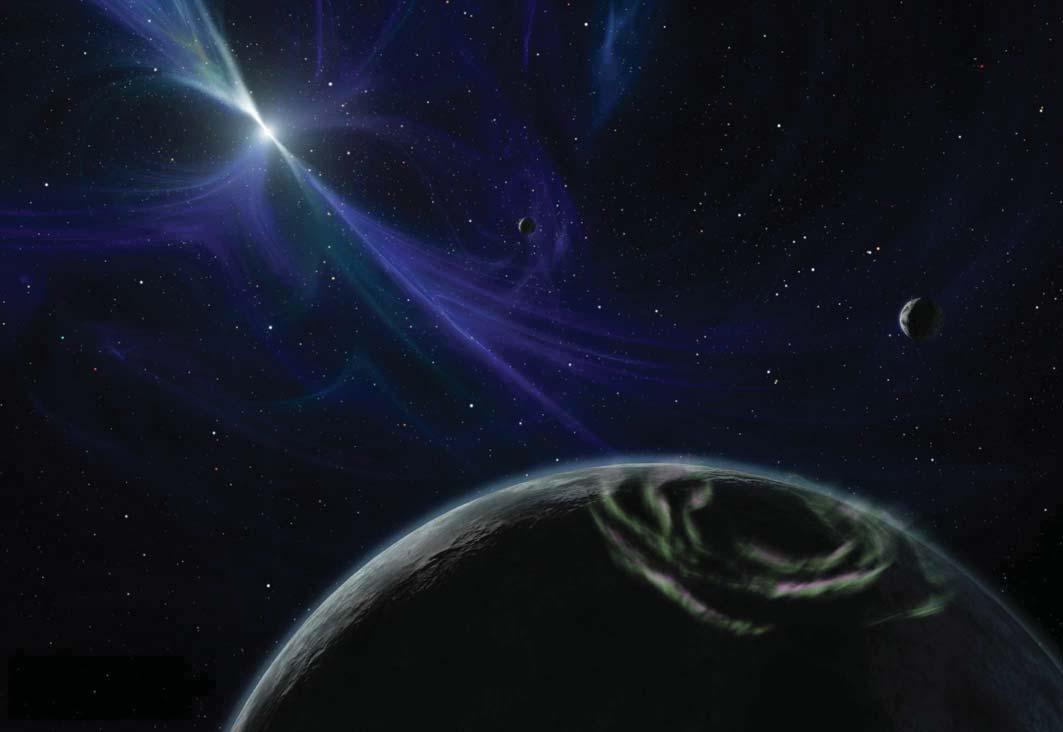
It's a huge number to keep track of. Back in the early days when there were only a few known exoplanets, astronomers would each have their own spreadsheets listing them. But as the dozens grew to hundreds and then thousands, it became apparent a dedicated system was needed, leading NASA to create the Exoplanet Archive.
"NASA keeps track of all the planets we've found outside our Solar System and anything we know about them," says Jessie Christiansen, the lead scientist for NASA's Exoplanet Archive at Caltech, who updates the archive. "It's a big database of everything that we know about exoplanets and the stars they orbit."
I would find 5,000 worlds...


Dit verhaal komt uit de August 2022-editie van BBC Sky at Night Magazine.
Abonneer u op Magzter GOLD voor toegang tot duizenden zorgvuldig samengestelde premiumverhalen en meer dan 9000 tijdschriften en kranten.
Bent u al abonnee? Aanmelden
MEER VERHALEN VAN BBC Sky at Night Magazine
BBC Sky at Night Magazine
MOONWATCH
January's top lunar feature to observe

2 mins
January 2026
BBC Sky at Night Magazine
Speed up your processing workflow
How to use Photoshop's Actions tool to drastically cut your processing time
3 mins
January 2026
BBC Sky at Night Magazine
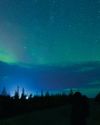
Chasing Canada's polar lights
With solar maximum peaking and a new Moon promising dark skies, Jamie Carter travels to Churchill, Manitoba to hunt the Northern Lights - and dodge polar bears – in Canada's far north
7 mins
January 2026
BBC Sky at Night Magazine
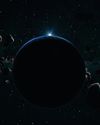
Beyond Pluto: The search for the hidden planets
Could one – or even two - undiscovered planets lurk at the edges of our Solar System? Nicky Jenner explores how close we are to finding the elusive 'Planet 9'
6 mins
January 2026
BBC Sky at Night Magazine
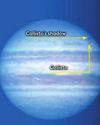
Jupiter moon events
Jupiter is a magnificent planet to observe.
2 mins
January 2026

BBC Sky at Night Magazine
What samples from space have taught us
Alastair Gunn explains what scientists have learnt in the 20 years since the first unmanned mission brought materials back from alien worlds
3 mins
January 2026
BBC Sky at Night Magazine
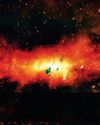
The Milky Way as you've never seen it before
This is the largest low-frequency radio colour image of our Galaxy ever assembled
1 min
January 2026

BBC Sky at Night Magazine
Merger of ‘impossibly' massive black holes explained
Scientists discover how enormous, fast-spinning black holes can exist after all
1 mins
January 2026
BBC Sky at Night Magazine
Lunar occultation of the Pleiades
BEST TIME TO SEE: 27 January from 20:30 UT
1 min
January 2026
BBC Sky at Night Magazine
The Universe's expansion may be slowing down
New study suggests current theories of dark energy could be wrong
1 mins
January 2026
Translate
Change font size