
Ga onbeperkt met Magzter GOLD
Krijg onbeperkte toegang tot meer dan 9000 tijdschriften, kranten en Premium-verhalen voor slechts
Poging GOUD - Vrij
THE UNEXPECTED RETURN OF PNEUMATIC TUBES
BBC Science Focus
|September 2024
Once a pioneering technology that revolutionised deliveries, pneumatic tubes had all but disappeared. Now they're back and enjoying a resurgence
-

Remember the good old days when pneumatic tubes were all the rage? No? That's okay. Since they were invented in the 1850s and largely phased out by the late 20th century, it's likely only a few of us recall when they were in regular use. Built to propel cylindrical containers through small pipes using compressed air, pneumatic tubes were used to send packages, mail and important documents around offices and between buildings at high speeds. But despite being depicted in television shows such as Futurama and Star Trek as a futuristic tool, this old-school delivery system is rarely used today. It was killed off, for the most part, by the speed of communication brought about by advances like email and the internet.
Pneumatic tubes seem to be making a slow and undramatic comeback, however, not only being relied on for genuine applications, but also seeing an increase in investment.
THE VICTORIAN FAD
Before pneumatic tubes slowly slid into obscurity, they went through a period of being used everywhere - and were incredibly popular. Josiah Latimer Clark patented the idea of sending letters and parcels by pneumatic transportation in London in 1854. By the 1890s, there were miles of pneumatic tube postal networks in London and other cities in the UK, as well as other cities including Paris and New York. This technology was demonstrated by sending cats and goldfish, deliver fast food, move money around banks - and one bar in Berlin even found a way to use them to send flirty messages between tables in the 1920s.


Dit verhaal komt uit de September 2024-editie van BBC Science Focus.
Abonneer u op Magzter GOLD voor toegang tot duizenden zorgvuldig samengestelde premiumverhalen en meer dan 9000 tijdschriften en kranten.
Bent u al abonnee? Aanmelden
MEER VERHALEN VAN BBC Science Focus

BBC Science Focus
DOES MY DOG HAVE ADHD?
Officially, Attention-Deficit Hyperactivity Disorder (ADHD) is a human condition. People are diagnosed with it. Dogs are not. Yet many of its core features, including hyperactivity, impulsivity and distractibility, can be found in dogs.

1 min
March 2026

BBC Science Focus
DOES MY BRAIN LIVE A LITTLE IN THE PAST?
Yes, your brain does live a little in the past. It can't help it. The information it receives via your senses is always a little out of date. Whether it's light entering the retinas in your eyes, or sounds vibrating the hairs in your ears, it not only takes time for the data to arrive, but your brain then has to process it.
2 mins
March 2026
BBC Science Focus
ASTRONOMY FOR BEGINNERS
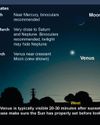
RETURN OF THE EVENING STAR (VENUS)
1 mins
March 2026

BBC Science Focus
CAN YOU STOP YOUR SENSE OF TASTE DULLING AS YOU AGE?
Sometimes I hear people say that food just doesn't taste the same as they get older. It's tempting to blame this on age, but there are other factors at play, too.
1 mins
March 2026
BBC Science Focus
MICROBIOMES OF THE SUPERAGERS
BY STUDYING THE INCREASING NUMBER OF PEOPLE WHO ARE LIVING BEYOND THEIR 100TH BIRTHDAYS, SCIENTISTS ARE DISCOVERING THAT THE SECRET TO REACHING A RIPE OLD AGE IN RUDE HEALTH MIGHT LIE IN OUR GUTS
8 mins
March 2026

BBC Science Focus
HOW BIG WERE MEDIEVAL WAR HORSES?
You might picture knights charging into battle on towering steeds, but medieval horses were typically no bigger than modern-day ponies.
1 min
March 2026

BBC Science Focus
FORCES OF HABIT
Could new research on setting up healthy habits resuscitate those stuttering New Year resolutions?
3 mins
March 2026

BBC Science Focus
5 DANGERS HIDING IN YOUR PROCESSED FOOD
We all know that ultra-processed foods are bad for us, but what ingredients should we particularly try to avoid? And what are they doing to our bodies?
9 mins
March 2026
BBC Science Focus
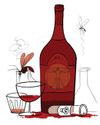
Mosquitoes are becoming thirstier for human blood
Habitat loss may be pushing mosquitoes towards human hosts with deadly consequences
1 mins
March 2026

BBC Science Focus
HOW CAN I GET OVER MY EX?
Relationship breakups can be brutal, just look at the popularity of songs like 'Someone Like You' by Adele, or all the covers of 'Cry Me a River' by Julie London.
1 mins
March 2026
Listen
Translate
Change font size