Poging GOUD - Vrij
The strange skeletons that could rewrite the history of the pyramids
BBC Science Focus
|April 2025
Unexpected evidence found on human remains is shaking up our understanding of ancient burials
-
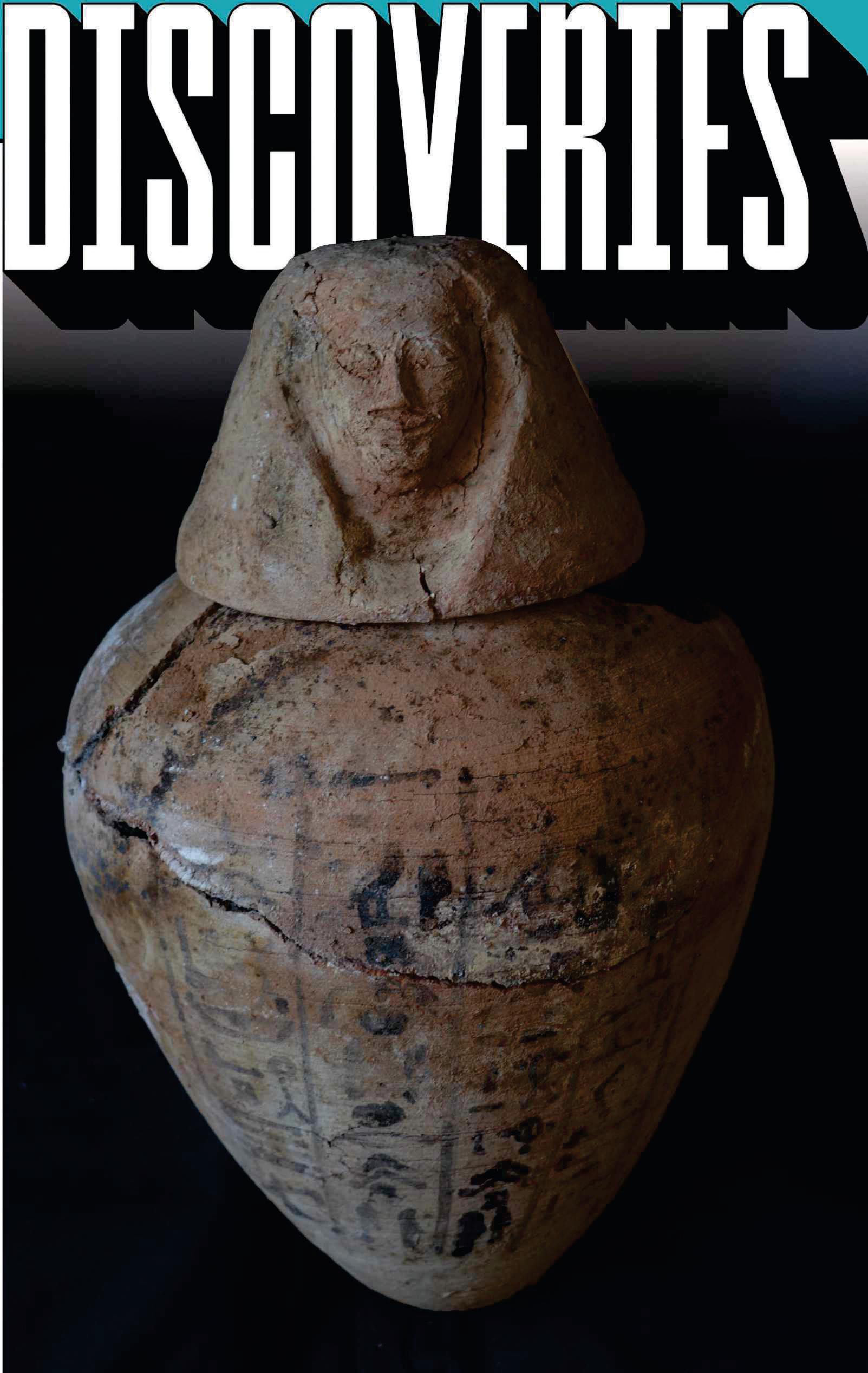
For centuries, scientists believed that only the elite were buried in pyramids. But a surprising discovery of ancient skeletons has thrown that idea into question.
In a new study, researchers analysed the remains of people buried in Tombos, an archaeological site located in modern-day Sudan, which borders Egypt.
Around 3,500 years ago, the ancient town of Tombos sat along the Nile River in a region called Nubia. The region was conquered and ruled by the Egyptian pharaoh Thutmose I (whose reign was about 170 years before the infamous Tutankhamun’s).
 Archaeologists analysed skeletons from several different burial sites at Tombos, looking for subtle marks where muscles and ligaments had been attached to the bones. These traces – called entheseal changes – can give → → archaeologists clues about how a person lived their life by the way it physically altered their bones.
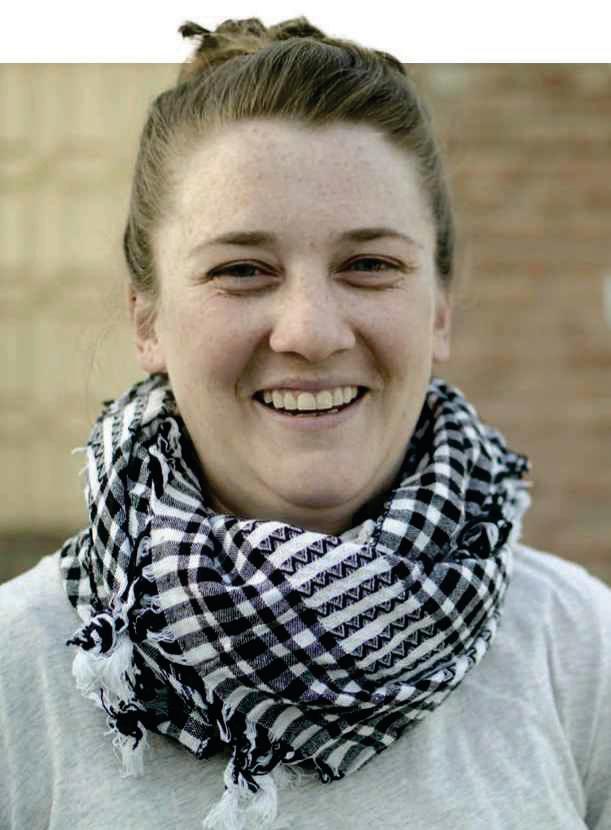
“Entheseal changes can’t tell us exactly what these people were doing, but they can tell us if they were more physically active or more like couch potatoes,” Dr Sarah Schrader, associate professor of archaeology at Leiden University and the study’s lead author, told BBC Science Focus.
Some of the skeletons had very few marks, indicating that they lived more sedentary lives and were likely a part of the wealthy noble class. But others, buried in the same pyramids, had markings that suggested they were physically active, which, the researchers concluded, could indicate they were from the poorer labouring classes.

Dit verhaal komt uit de April 2025-editie van BBC Science Focus.
Abonneer u op Magzter GOLD voor toegang tot duizenden zorgvuldig samengestelde premiumverhalen en meer dan 9000 tijdschriften en kranten.
Bent u al abonnee? Aanmelden
MEER VERHALEN VAN BBC Science Focus

BBC Science Focus
HEALTH: Eating oats could lower your cholesterol in just two days
The health benefits of a two-day porridge diet lasted for weeks afterwards

1 mins
April 2026

BBC Science Focus
Most people are too sure they can identify fake human faces
Even 'super recognisers' struggle with the challenge. Can you do better?
1 min
April 2026

BBC Science Focus
WHAT'S THE WORST THING YOU CAN DO FOR THE PLANET ONLINE?
Human beings can barely move a muscle without some kind of deleterious effect on the environment around us.
2 mins
April 2026
BBC Science Focus
A bug in the system
The complex arrangement of equipment you see here is part of a particle accelerator.
1 min
April 2026
BBC Science Focus
Snug as a bug in a rug
At first glance, you might feel envious of this little leafhopper, swaddled beneath the folds of what appears to be a luxurious fur blanket.
1 min
April 2026

BBC Science Focus
WHY DO WE ROOT FOR THE VILLAIN IN MOVIES?
Whether it's Darth Vader or Cruella de Vil, we all have a favourite movie villain.
1 mins
April 2026

BBC Science Focus
A TURN TO DISPERSE
Why a fart walk after dinner does more than release your gas
3 mins
April 2026

BBC Science Focus
Hatching a nebula
Welcome to the Egg Nebula, an enigmatic structure formed by ejected stardust in the Cygnus constellation around 1,000 light-years from Earth.
1 min
April 2026

BBC Science Focus
7 TIMES AI GOT IT SPECTACULARLY WRONG
For the past four years, AI has been reshaping how we work and live. But its failures are proving just as transformative as its triumphs
8 mins
April 2026

BBC Science Focus
CHARLES ADCOCK, VIA EMAIL: COULD DARK MATTER BE ALL AROUND PLANET EARTH BUT UNDETECTABLE?
Astronomers have gathered overwhelming evidence that 80 per cent of all matter in the Universe is invisible.
1 min
April 2026
Listen
Translate
Change font size