Poging GOUD - Vrij
NAPS: A USER'S GUIDE
BBC Science Focus
|August 2022
YOU SNOOZE, YOU WIN. RESEARCH SHOWS THAT NAPPING CAN HAVE A POWERFUL EFFECT ON HEALTH AND COGNITION. THIS IS THE ART OF A SCIENTIFIC SIESTA...

Keep this to yourself but I am, quite literally, sleeping on the job. I'm sitting on my desk chair and should be writing this article that you're reading, but my eyes are closed and my forearms are relaxed on the arm rests, palms facing up. There's an apple in my left hand (I'll explain why in a second).
It's a peculiar scene, I'll grant you, but not one of abject laziness, whatever my wife tells you. I'm napping in the name of science, art and productivity. Some of history's greatest thinkers swore by the idea of a power nap, and scientific literature is beginning to suggest they were right to.
In recent years, researchers have found that a short doze can improve everything from memory and creativity to cardiovascular health and immune function. Napping is a superpower, it would seem, capable of restoring body and mind. Some have even described it as a public health intervention waiting to happen - not least because we're all so very tired.
As we know, adults need seven to nine hours of sleep a night. And as we also know, we're not getting it. Screen time, stress, caffeine habits and shift work are all to blame, but according to a YouGov poll earlier this year, one in eight Brits gets less than six hours of shuteye a night and a quarter of us use sleeping pills. Plus, if you believe marketing surveys from mattress companies, we build up more than 30 hours of sleep debt a month.
In turn, the British economy loses £30bn a year because of sleep loss. More importantly, chronic sleep disorders can increase a person's risk of high blood pressure and heart problems, as well as immune system dysfunction and obesity. No wonder sleep has become an obsession, something we track, hack and optimise.

Dit verhaal komt uit de August 2022-editie van BBC Science Focus.
Abonneer u op Magzter GOLD voor toegang tot duizenden zorgvuldig samengestelde premiumverhalen en meer dan 9000 tijdschriften en kranten.
Bent u al abonnee? Aanmelden
MEER VERHALEN VAN BBC Science Focus

BBC Science Focus
DOES MY DOG HAVE ADHD?
Officially, Attention-Deficit Hyperactivity Disorder (ADHD) is a human condition. People are diagnosed with it. Dogs are not. Yet many of its core features, including hyperactivity, impulsivity and distractibility, can be found in dogs.

1 min
March 2026
BBC Science Focus
DOES MY BRAIN LIVE A LITTLE IN THE PAST?
Yes, your brain does live a little in the past. It can't help it. The information it receives via your senses is always a little out of date. Whether it's light entering the retinas in your eyes, or sounds vibrating the hairs in your ears, it not only takes time for the data to arrive, but your brain then has to process it.
2 mins
March 2026
BBC Science Focus
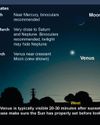
ASTRONOMY FOR BEGINNERS
RETURN OF THE EVENING STAR (VENUS)
1 mins
March 2026

BBC Science Focus
CAN YOU STOP YOUR SENSE OF TASTE DULLING AS YOU AGE?
Sometimes I hear people say that food just doesn't taste the same as they get older. It's tempting to blame this on age, but there are other factors at play, too.
1 mins
March 2026
BBC Science Focus
MICROBIOMES OF THE SUPERAGERS
BY STUDYING THE INCREASING NUMBER OF PEOPLE WHO ARE LIVING BEYOND THEIR 100TH BIRTHDAYS, SCIENTISTS ARE DISCOVERING THAT THE SECRET TO REACHING A RIPE OLD AGE IN RUDE HEALTH MIGHT LIE IN OUR GUTS
8 mins
March 2026

BBC Science Focus
HOW BIG WERE MEDIEVAL WAR HORSES?
You might picture knights charging into battle on towering steeds, but medieval horses were typically no bigger than modern-day ponies.
1 min
March 2026
BBC Science Focus
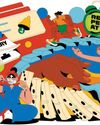
FORCES OF HABIT
Could new research on setting up healthy habits resuscitate those stuttering New Year resolutions?
3 mins
March 2026

BBC Science Focus
5 DANGERS HIDING IN YOUR PROCESSED FOOD
We all know that ultra-processed foods are bad for us, but what ingredients should we particularly try to avoid? And what are they doing to our bodies?
9 mins
March 2026
BBC Science Focus
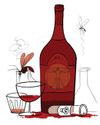
Mosquitoes are becoming thirstier for human blood
Habitat loss may be pushing mosquitoes towards human hosts with deadly consequences
1 mins
March 2026

BBC Science Focus
HOW CAN I GET OVER MY EX?
Relationship breakups can be brutal, just look at the popularity of songs like 'Someone Like You' by Adele, or all the covers of 'Cry Me a River' by Julie London.
1 mins
March 2026
Translate
Change font size