Poging GOUD - Vrij
It's TIME to WAKE UP and SMELL the roses
BBC Science Focus
|January 2026
What if the pursuit of happiness in the traditional sense – chasing wealth or power – is the very thing stopping you from being happy? Researchers are beginning to understand that spending time enjoying the simple things might be the secret ingredient to enjoying a happy, healthy life
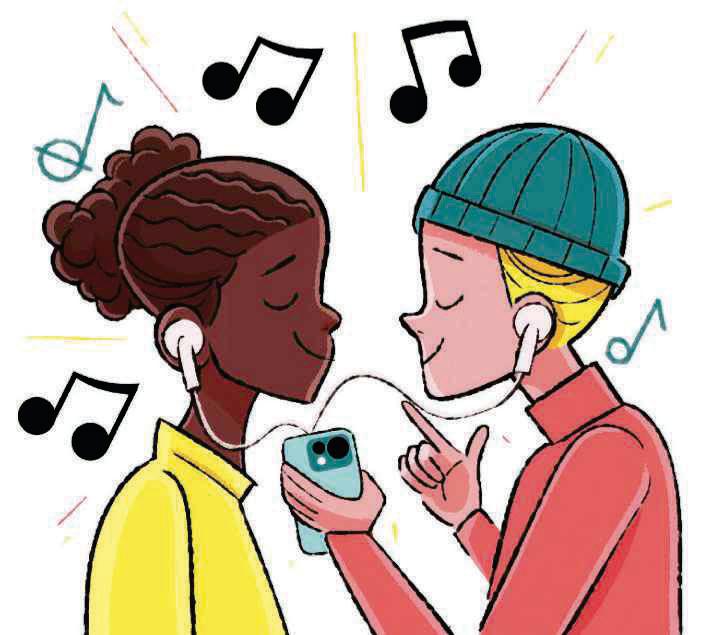
Anyone who's ever attempted a New Year reset will be familiar with the overwhelming feeling of trying to break well-worn habits and squeeze new activities – whether that's journalling, practising mindfulness, or trying to be more physically active – into a schedule already brimming with to-dos.
Psychologists have noted that while social media has never been more saturated with programmes and courses on how to revamp your life and achieve greater happiness in the process, this rarely seems to result in long-term fulfilment. One recent study suggested that while big corporates have invested heavily in mindfulness apps, resilience training and other workplace wellness programmes in the past few years, these don't actually appear to result in happier or more contented employees.
One of the reasons why such initiatives tend to fail, explains Richard Wiseman, a psychology professor at the University of Hertfordshire, is that humans are not adept at making major changes. Instead, we fare better when making small adjustments to our lives. “When we monitor all the people trying to keep their New Year's resolutions, it's those who break down the big changes into lots and lots of little ones – so going to the gym, or doing more exercise once a week, and building up from there - who succeed,” says Wiseman.
Perhaps, as a result, the latest concept within positive psychology urges us to think small. Instead of chasing big, dramatic changes buying an expensive gym membership, setting ambitious self-improvement goals, or fantasising about winning the lottery - the idea is that true happiness may come from simply making time for, and appreciating, life's small pleasures. A growing number of academics have come to believe that the cumulative benefit of these ‘micro-joys’ can have an outsized impact on your quality of life - and even your physical health.
SMELL THE ROSES

Dit verhaal komt uit de January 2026-editie van BBC Science Focus.
Abonneer u op Magzter GOLD voor toegang tot duizenden zorgvuldig samengestelde premiumverhalen en meer dan 9000 tijdschriften en kranten.
Bent u al abonnee? Aanmelden
MEER VERHALEN VAN BBC Science Focus

BBC Science Focus
World's biggest cobweb is home to 100,000 spiders
Spiders don't normally create such large colonies, so there's no need to worry about finding one in your basement

1 min
February 2026

BBC Science Focus
A dementia vaccine could be gamechanging – and available already
Getting vaccinated against shingles could protect you from getting dementia, or slow the progression of the disease
1 mins
February 2026

BBC Science Focus
DATA IN SPACE
An unusual spacecraft reached orbit in November 2025, one that might herald the dawn of a new era.
7 mins
February 2026

BBC Science Focus
Climate change is already shrinking your salary
No matter where you live, a new study has found warmer temperatures are picking your pocket
4 mins
February 2026

BBC Science Focus
A MENTAL HEALTH GLOW-UP
Forget fine lines. Could Botox give you an unexpected mental health tweakment?
3 mins
February 2026
BBC Science Focus
Most people with high cholesterol gene don't know they have it
Standard testing struggles to detect the condition
1 mins
February 2026

BBC Science Focus
HOW CAN I BOOST MY IQ?
If you're serious about getting smarter, it's time to ditch the brain-training apps
4 mins
February 2026

BBC Science Focus
Humans are absolutely terrible at reading dogs' emotions
Think you can tell how our furry friends are feeling? Think again
1 mins
February 2026

BBC Science Focus
HOW TO TEACH AI RIGHT FROM WRONG
If we want to get good responses from AI, we may need to see what it does when we ask it to be evil
3 mins
February 2026

BBC Science Focus
What Australia's social media ban could really mean for under-16s
Many people think social media is bad for our kids. Australia is trying to prove it
5 mins
February 2026
Listen
Translate
Change font size