Poging GOUD - Vrij
DE-EXTINCTION GENETICISTS AIM TO RESURRECT THE TASMANIAN TIGER
BBC Science Focus
|September 2022
The marsupial, also known as a thylacine, could be brought back from extinction within the next decade
-

Despite the last known example having been dead for close to 100 years, the Tasmanian tiger could soon be on the prowl once again.
Since its genome was sequenced in 2017, many researchers have been looking into the possibility of bringing the Tasmanian tiger back from extinction.
Now, after teaming up with Dallas-based genetic engineering company Colossal Biosciences, geneticists working at the University of Melbourne say they expect to produce their first baby thylacine within the next decade.
"We can now take the giant leaps to conserve Australia's threatened marsupials and take on the grand challenge of de-extincting animals we had lost," said Prof Andrew Pask, leader of the Thylacine Integrated Genetic Restoration Research (TIGRR) Lab.
"A lot of the challenges with our efforts can be overcome by an army of scientists working on the same problems simultaneously, conducting and collaborating on the many experiments to accelerate discoveries.

Dit verhaal komt uit de September 2022-editie van BBC Science Focus.
Abonneer u op Magzter GOLD voor toegang tot duizenden zorgvuldig samengestelde premiumverhalen en meer dan 9000 tijdschriften en kranten.
Bent u al abonnee? Aanmelden
MEER VERHALEN VAN BBC Science Focus

BBC Science Focus
HOW FISH COULD SAVE MILLIONS OF PEOPLE'S SIGHT
There's nowhere near enough donors to meet the demand for corneal transplants. A pioneering treatment that relies on fish scales could change that

3 mins
May 2026

BBC Science Focus
Your Wi-Fi is lying to you
Wi-Fi 7's giant speed claims might look impressive, but the realities of our homes – and the laws of physics – mean that real-world performance will never get close
6 mins
May 2026
BBC Science Focus
WHICH ANIMAL IS MOST LIKELY TO ESCAPE FROM THE ZOO?
Have you heard the one about the monkey and the Yorkshire pudding?
2 mins
May 2026
BBC Science Focus
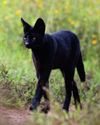
THE BLACK SERVAL
The black serval (Leptailurus serval) is an unusual, melanistic version of the African serval, a medium-sized wild cat that's native to Africa.
2 mins
May 2026
BBC Science Focus
Cryosleep vs hibernation: What's the difference?
When hibernating animals, such as hedgehogs and dormice, disappear for winter, they don't freeze like the Siberian salamander.
1 mins
May 2026
BBC Science Focus
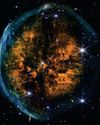
Space brain
The greatest names in science are often said to be 'big-brained', but this cosmic wonder puts them all to shame. Nebula PMR 1 - otherwise known as the 'Exposed Cranium' nebula for its distinctive shape - measures around 3.2 light-years across.
1 min
May 2026

BBC Science Focus
Your most draining relationships are taking years off your life, study suggests
Difficult people don't just zap your energy - they may also accelerate your biological ageing
4 mins
May 2026

BBC Science Focus
DOES EARTH HAVE A HEARTBEAT?
Move over, Ringo Starr.
1 mins
May 2026

BBC Science Focus
WEIGHT-LOSS DRUGS FOR ALL?
The obesity crisis is ruining lives and costing governments trillions. But some healthcare experts think there's now a radical solution: roll out GLP-1 jabs to everyone who needs them for free. Could it work?
9 mins
May 2026
BBC Science Focus
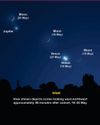
HOW TO SEE VENUS ON APPROACH TO JUPITER
Venus has been slowly moving away from the Sun's glare over the past few weeks, heading into the evening twilight after sunset.
1 mins
May 2026
Translate
Change font size