
Ga onbeperkt met Magzter GOLD
Krijg onbeperkte toegang tot meer dan 9000 tijdschriften, kranten en Premium-verhalen voor slechts
Poging GOUD - Vrij
CAN YOU BREATHE YOUR WAY TO BETTER HEALTH?
BBC Science Focus
|October 2025
Breathing is something we do unconsciously.But knowing when and how to take conscious deep breaths could unlock a host of benefits
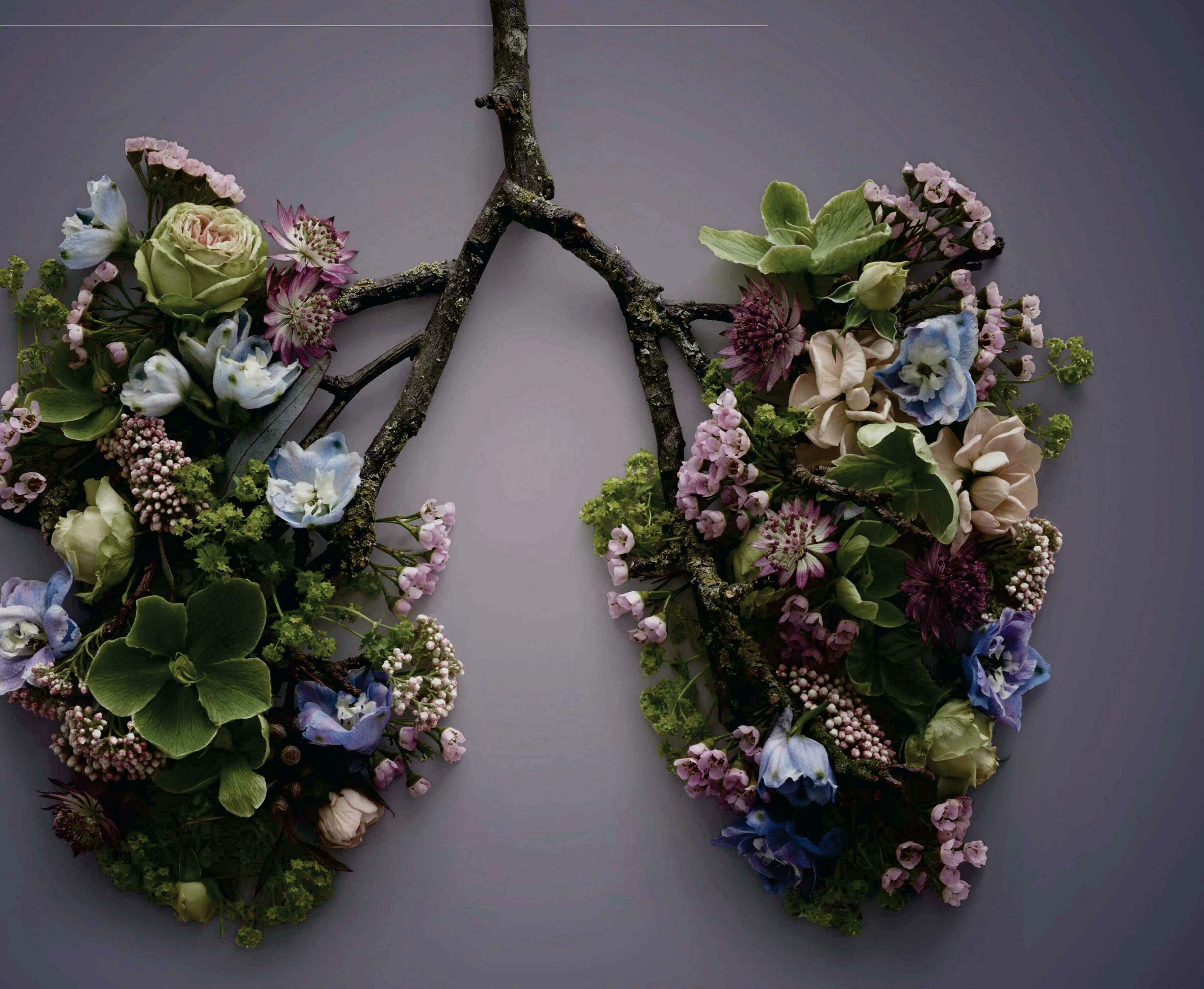
Right now, it feels like breathing is having a moment. Everyone's at it, but some people are really putting in the elbow grease. Rather than 'just' breathing automatically, a growing number of devotees now practise deliberate exercises.
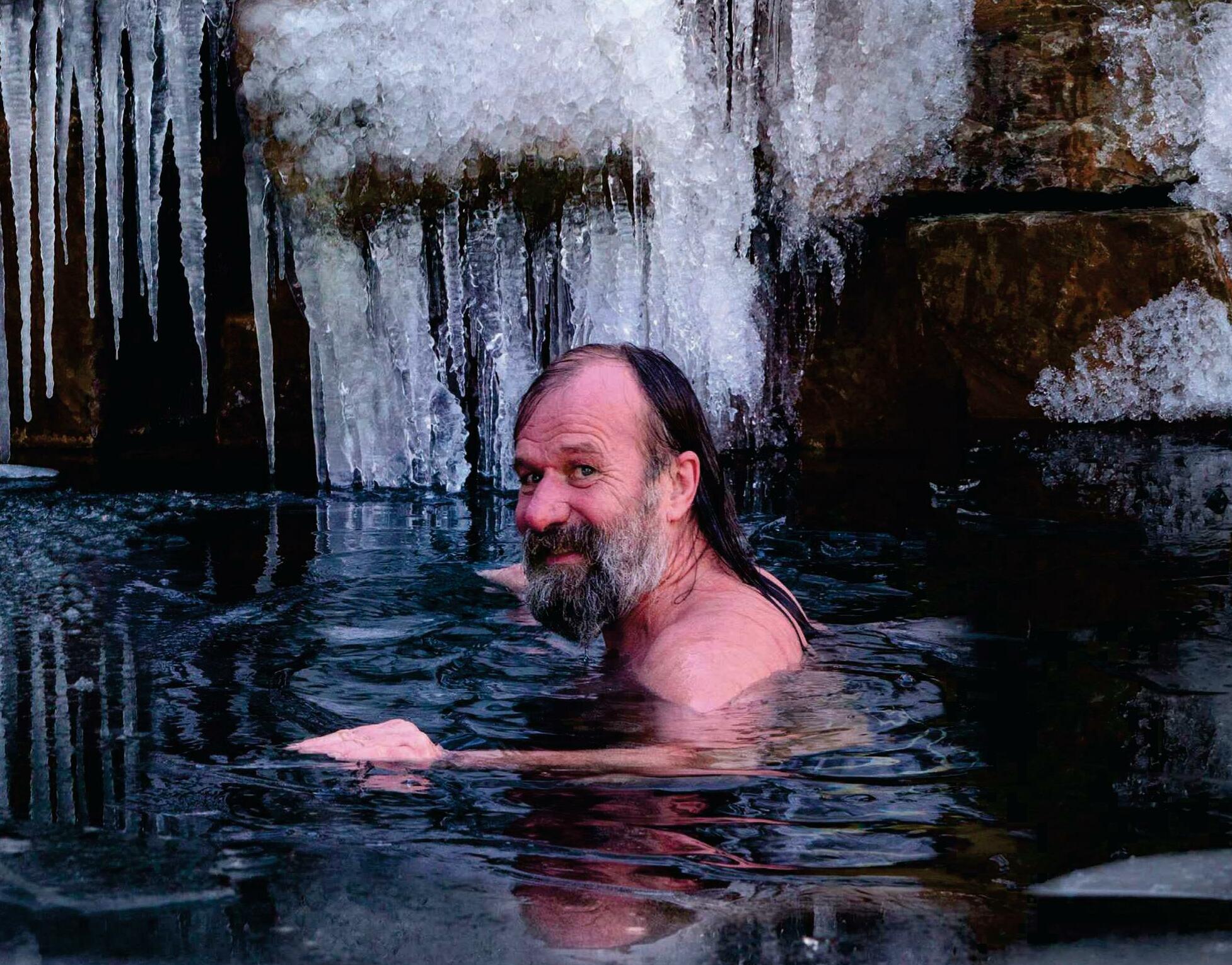
With fancy names, such as coherent breathing or cyclic sighing, breathwork has become one of the fastest-growing trends in the wellness industry. Breathing studios are popping up in cities all over the world and breathwork gurus, such as extreme sub-temperature athlete Wim Hof, are becoming household names.
Bold claims are being made. “There's a lot of hype about breathwork changing your life,” says Dr Guy Fincham from Sussex University, who studies the health benefits of breathwork. Some say it can boost the immune system, banish ill health and, perhaps, even lengthen life. But can it? What's the truth behind these breathwork fads? And could we all benefit from breathing a little differently?
BREATH BEGINNINGS
We all take about 20,000 breaths per day, but we don’t all breathe the same. Some people can do extreme things with their breath. The Danish freediver Stig Severinsen, for example, can hold his breath for more than 20 minutes, while the Haenyeo (translated literally to ‘women of the sea’) of Jeju, South Korea, spend more time underwater – up to 10 hours per day (not all at once) - than some diving animals.
You may think that the way you breathe is nothing special, yet your breath is as unique as your fingerprints. In a recent study, scientists found that patterns of inhalation and exhalation are so distinct, they can be used to predict people’s identity, as well as health-related factors, such as depression and body mass index.

Dit verhaal komt uit de October 2025-editie van BBC Science Focus.
Abonneer u op Magzter GOLD voor toegang tot duizenden zorgvuldig samengestelde premiumverhalen en meer dan 9000 tijdschriften en kranten.
Bent u al abonnee? Aanmelden
MEER VERHALEN VAN BBC Science Focus

BBC Science Focus
World's biggest cobweb is home to 100,000 spiders
Spiders don't normally create such large colonies, so there's no need to worry about finding one in your basement

1 min
February 2026

BBC Science Focus
A dementia vaccine could be gamechanging – and available already
Getting vaccinated against shingles could protect you from getting dementia, or slow the progression of the disease
1 mins
February 2026

BBC Science Focus
DATA IN SPACE
An unusual spacecraft reached orbit in November 2025, one that might herald the dawn of a new era.
7 mins
February 2026

BBC Science Focus
Climate change is already shrinking your salary
No matter where you live, a new study has found warmer temperatures are picking your pocket
4 mins
February 2026

BBC Science Focus
A MENTAL HEALTH GLOW-UP
Forget fine lines. Could Botox give you an unexpected mental health tweakment?
3 mins
February 2026
BBC Science Focus
Most people with high cholesterol gene don't know they have it
Standard testing struggles to detect the condition
1 mins
February 2026

BBC Science Focus
HOW CAN I BOOST MY IQ?
If you're serious about getting smarter, it's time to ditch the brain-training apps
4 mins
February 2026

BBC Science Focus
Humans are absolutely terrible at reading dogs' emotions
Think you can tell how our furry friends are feeling? Think again
1 mins
February 2026

BBC Science Focus
HOW TO TEACH AI RIGHT FROM WRONG
If we want to get good responses from AI, we may need to see what it does when we ask it to be evil
3 mins
February 2026

BBC Science Focus
What Australia's social media ban could really mean for under-16s
Many people think social media is bad for our kids. Australia is trying to prove it
5 mins
February 2026
Listen
Translate
Change font size