Poging GOUD - Vrij
AHEAD OF THEIR TIME
BBC Science Focus
|January 2026
The Maya civilisation is known for its art and architecture.
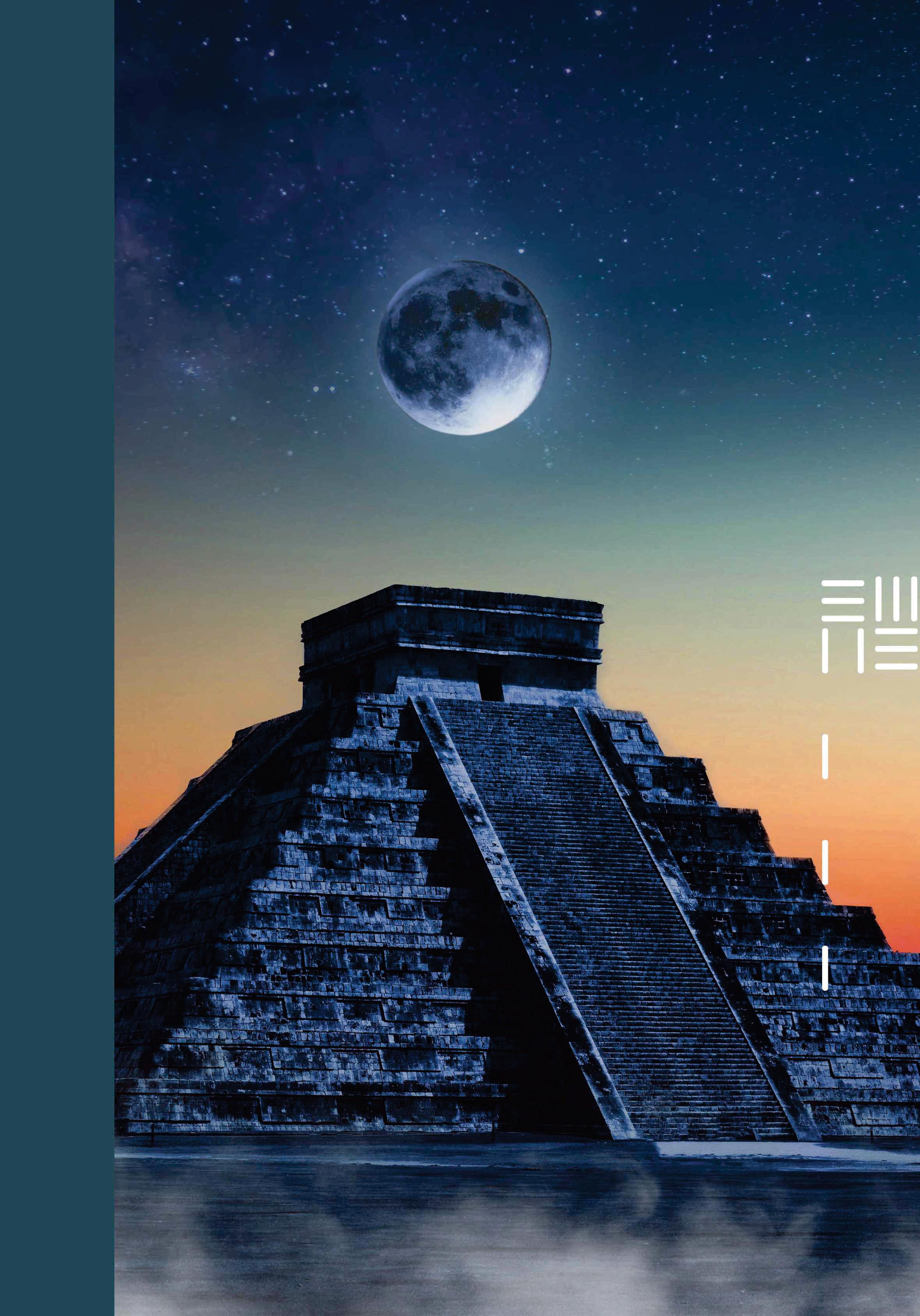
But as we decipher their surviving cultural relics, we're discovering Maya astronomy was even more advanced than we had imagined
Maya artefacts are something you'd probably expect to find in an archaeological site in Mexico or hidden in ruins buried deep in the Central American jungle. A startling number of them turn up in Europe, however - a legacy of the pillaging carried out by Spanish Conquistadors during the early 16th century.
In 1744, one such artefact found its way to Germany, and was catalogued into a collection in Dresden’s Royal Library. It remains there to this day.
The artefact is believed to be almost 1,000 years old and, in a sense, a library is the most logical place for it. That’s because, to all intents and purposes, it’s a book. One of the oldest surviving books from the Americas.
Its age and provenance, while profound, aren’t what make it amazing, though.
What makes it amazing is that parts of the book contain remarkably detailed observations of astronomical phenomena. So detailed, in fact, that it could have been used to predict eclipses across the entire globe.
The book has become known as the Dresden Codex. And as scientists gradually decode the information held within its pages, they're unlocking the secrets of the Maya civilisation.
ACCURATE PREDICTIONS
The Dresden Codex isn’t like a book in the modern sense, with covers and pages bound together along one edge. It’s more like an accordion, with pages arranged next to each other, but capable of being folded back on themselves so that the page you want is at the top.
Some of the pages are damaged, and many that remain are concerned with ritual and ceremony. Codices, like the Dresden Codex, were essentially instruction pamphlets and would have been used “as a tool for ritual, rather than narrative,” Dr Justin Lowry, an archaeologist at New York State University, who has studied the Codex, explains.


Dit verhaal komt uit de January 2026-editie van BBC Science Focus.
Abonneer u op Magzter GOLD voor toegang tot duizenden zorgvuldig samengestelde premiumverhalen en meer dan 9000 tijdschriften en kranten.
Bent u al abonnee? Aanmelden
MEER VERHALEN VAN BBC Science Focus

BBC Science Focus
World's biggest cobweb is home to 100,000 spiders
Spiders don't normally create such large colonies, so there's no need to worry about finding one in your basement

1 min
February 2026

BBC Science Focus
A dementia vaccine could be gamechanging – and available already
Getting vaccinated against shingles could protect you from getting dementia, or slow the progression of the disease
1 mins
February 2026

BBC Science Focus
DATA IN SPACE
An unusual spacecraft reached orbit in November 2025, one that might herald the dawn of a new era.
7 mins
February 2026

BBC Science Focus
Climate change is already shrinking your salary
No matter where you live, a new study has found warmer temperatures are picking your pocket
4 mins
February 2026

BBC Science Focus
A MENTAL HEALTH GLOW-UP
Forget fine lines. Could Botox give you an unexpected mental health tweakment?
3 mins
February 2026
BBC Science Focus
Most people with high cholesterol gene don't know they have it
Standard testing struggles to detect the condition
1 mins
February 2026

BBC Science Focus
HOW CAN I BOOST MY IQ?
If you're serious about getting smarter, it's time to ditch the brain-training apps
4 mins
February 2026

BBC Science Focus
Humans are absolutely terrible at reading dogs' emotions
Think you can tell how our furry friends are feeling? Think again
1 mins
February 2026

BBC Science Focus
HOW TO TEACH AI RIGHT FROM WRONG
If we want to get good responses from AI, we may need to see what it does when we ask it to be evil
3 mins
February 2026

BBC Science Focus
What Australia's social media ban could really mean for under-16s
Many people think social media is bad for our kids. Australia is trying to prove it
5 mins
February 2026
Listen
Translate
Change font size