
Ga onbeperkt met Magzter GOLD
Krijg onbeperkte toegang tot meer dan 9000 tijdschriften, kranten en Premium-verhalen voor slechts
Poging GOUD - Vrij
Navigating Gender and Climate Challenges
TerraGreen
|March 2025
The Case for Gender-Responsive Budget in India
-
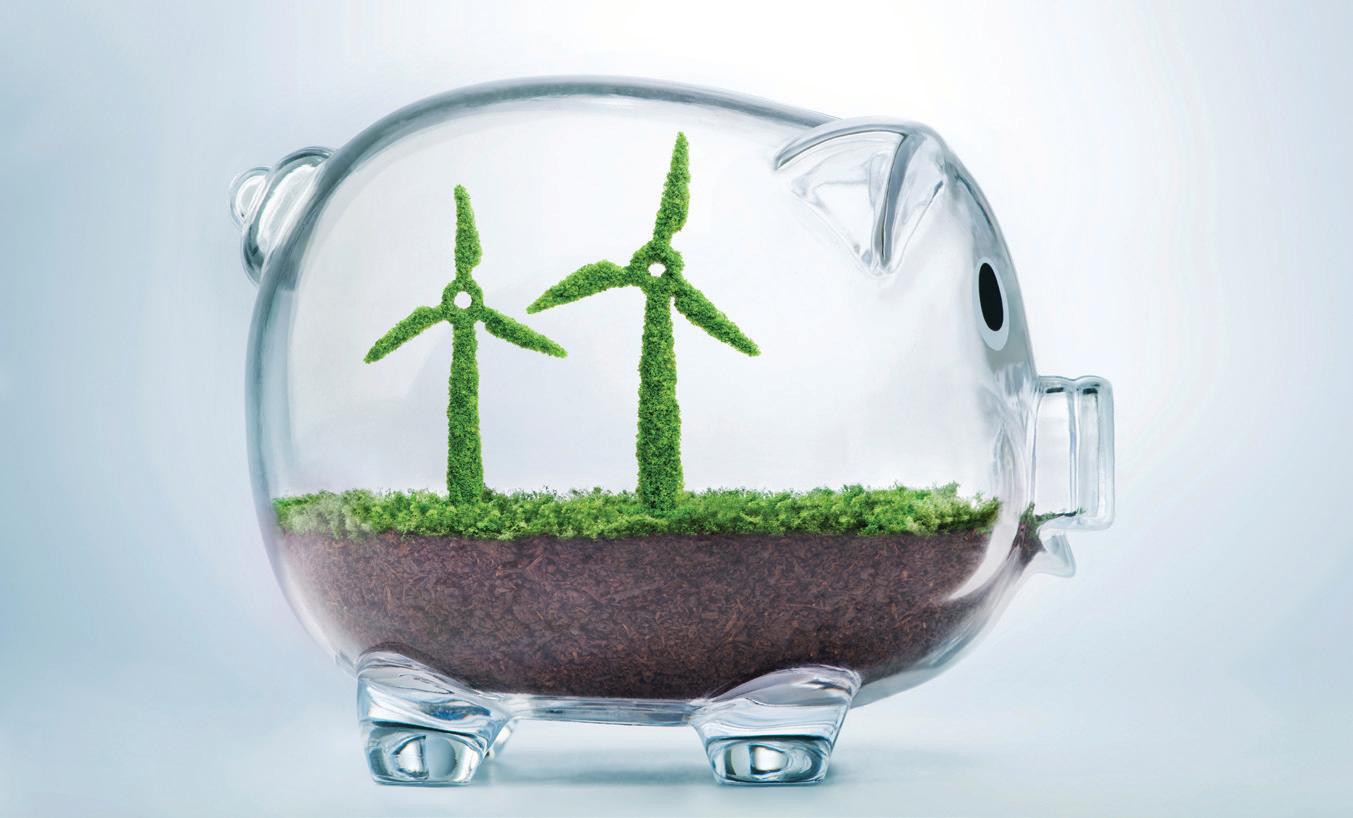
Alarming statistical evidence of women bearing the brunt of skewed social and gender dynamics, especially in the event a disaster strikes, calls for a change in the status quo. In this article, Priya and Neha Khanna advocate for gender-responsive climate budgeting in India to empower women, ensure climate resilience, and meet both gender equality and climate action goals.
Climate change disproportionately impacts women, particularly in rural areas where they bear responsibility for food security, household income, and livestock care. Rising temperatures and erratic rainfall force women to work harder, walk farther, and spend more time gathering essentials like food, water, and fodder. The farther they walk, the more exposed they are to significant risks of gender-based violence and adverse health risks. Women, often the poorest and most marginalized, face limited access to essential services including clean cooking facilities and potable water due to limited resources and decision-making power impacting their health. They are also at higher risk of mortality during extreme weather events; according to UNDP, women and children are 14 times more likely to die than men. Moreover, 4 out of 5 people displaced by climate change are women and girls, with disasters disrupting vital services like sexual and reproductive healthcare.
These differentiated vulnerabilities underline an urgent need for gender-responsive climate budgeting to ensure that climate action addresses systemic gender inequalities along with environmental challenges. By integrating gender considerations into climate budgets, governments can allocate resources more equitably, empower women, and mitigate the disproportionate burdens they face due to climate change. This is imperative for fostering both climate resilience and gender equality.


Dit verhaal komt uit de March 2025-editie van TerraGreen.
Abonneer u op Magzter GOLD voor toegang tot duizenden zorgvuldig samengestelde premiumverhalen en meer dan 9000 tijdschriften en kranten.
Bent u al abonnee? Aanmelden
MEER VERHALEN VAN TerraGreen

TerraGreen
Motor Efficiency
The Silent Catalyst of India's Green Industrial Revolution

4 mins
January 2026

TerraGreen
Beauty That Betrays!
The Quiet Invasion of An Ornamental Plant
3 mins
January 2026
TerraGreen
Farming Innovation Addresses Food Shortages
Also Halves Methane Emissions
4 mins
January 2026

TerraGreen
Aravalli on the Edge
Saving India's Ancient Green Shield from Collapse
3 mins
January 2026

TerraGreen
From Orchard to Table
Apple Picking, Family Time, and Fall Colours
4 mins
January 2026

TerraGreen
Coral Reefs Could Feed Millions
If We Let Them Rebuild
3 mins
January 2026

TerraGreen
Resting on Deodars
How Fallen Trees are Being Reimagined as Urban Assets in Shimla
3 mins
January 2026

TerraGreen
India's Clean-Air Innovation at Risk
Nationwide Assessment by WeNaturalists
2 mins
January 2026

TerraGreen
CNFF-25
Highlights Environmental Concern Amid India's Cultural Heritage
3 mins
January 2026
TerraGreen
Green Farming through Circular Economy
Sustainable Practices for Waste Reduction
8 mins
January 2026
Listen
Translate
Change font size