Poging GOUD - Vrij
THE CASE FOR ANXIETY
TIME Magazine
|November 06, 2023
Anxiety. The very word evokes discomfort. According to the U.S. Census Bureau, half of young American adults deal with it, so it's no wonder that this epidemic is causing us so much concern. But, as a clinician and researcher, I see a much bigger problem: in our society's quest to be anxiety-free, we tend to miss out on many valuable opportunities presented by this normal human emotion.
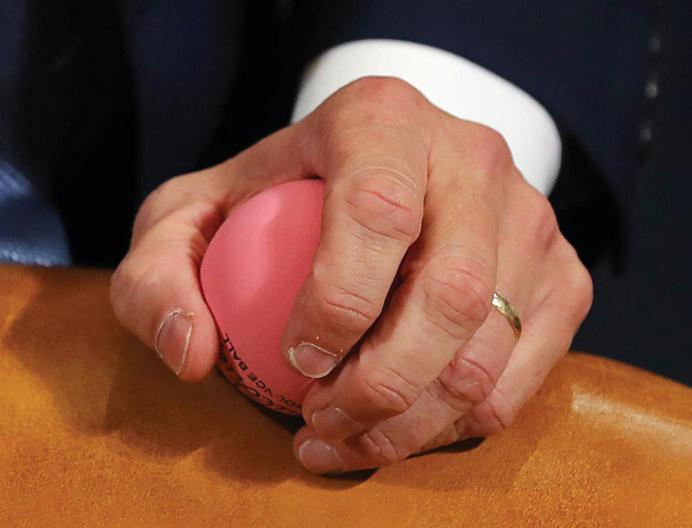
In and of itself, anxiety is not deadly. Quite the contrary: being able to feel anxious shows that our fight-or-flight system is operational, which is an indicator of brain and sensory health. Once we accept that anxious arousal is a normal, albeit uncomfortable, part of life, we can use it to thrive. Here are three ways anxiety can help you:
It can build your emotional strength and resilience
If you want to build emotional strength and resilience, you need to face some degree of mental adversity. Of course, traumatic events and abuse tend to cause more harm than good, but the experience of-and perseverance through-occasional anxiety, stress, and tension substantially increases your emotional fortitude.
For example, one of the most effective treatments for anxiety is exposure therapy, which involves systematically confronting one's fears, head-on, in reasonable and increasing doses over time. With the help of a therapist, individuals with phobias to anything from snakes or spiders to heights or medical procedures gradually encounter that which makes them anxious. As they exercise their emotional strength-voluntarily and courageously-they become desensitized to their anxiety, and its effects decrease.


Dit verhaal komt uit de November 06, 2023-editie van TIME Magazine.
Abonneer u op Magzter GOLD voor toegang tot duizenden zorgvuldig samengestelde premiumverhalen en meer dan 9000 tijdschriften en kranten.
Bent u al abonnee? Aanmelden
Translate
Change font size