Poging GOUD - Vrij
Man In the Middle
TIME Magazine
|December 04, 2023
WHAT HAPPENS WHEN ABU DHABI'S CHIEF OIL EXEC IS TASKED WITH PHASING DOWN FOSSIL FUELS?
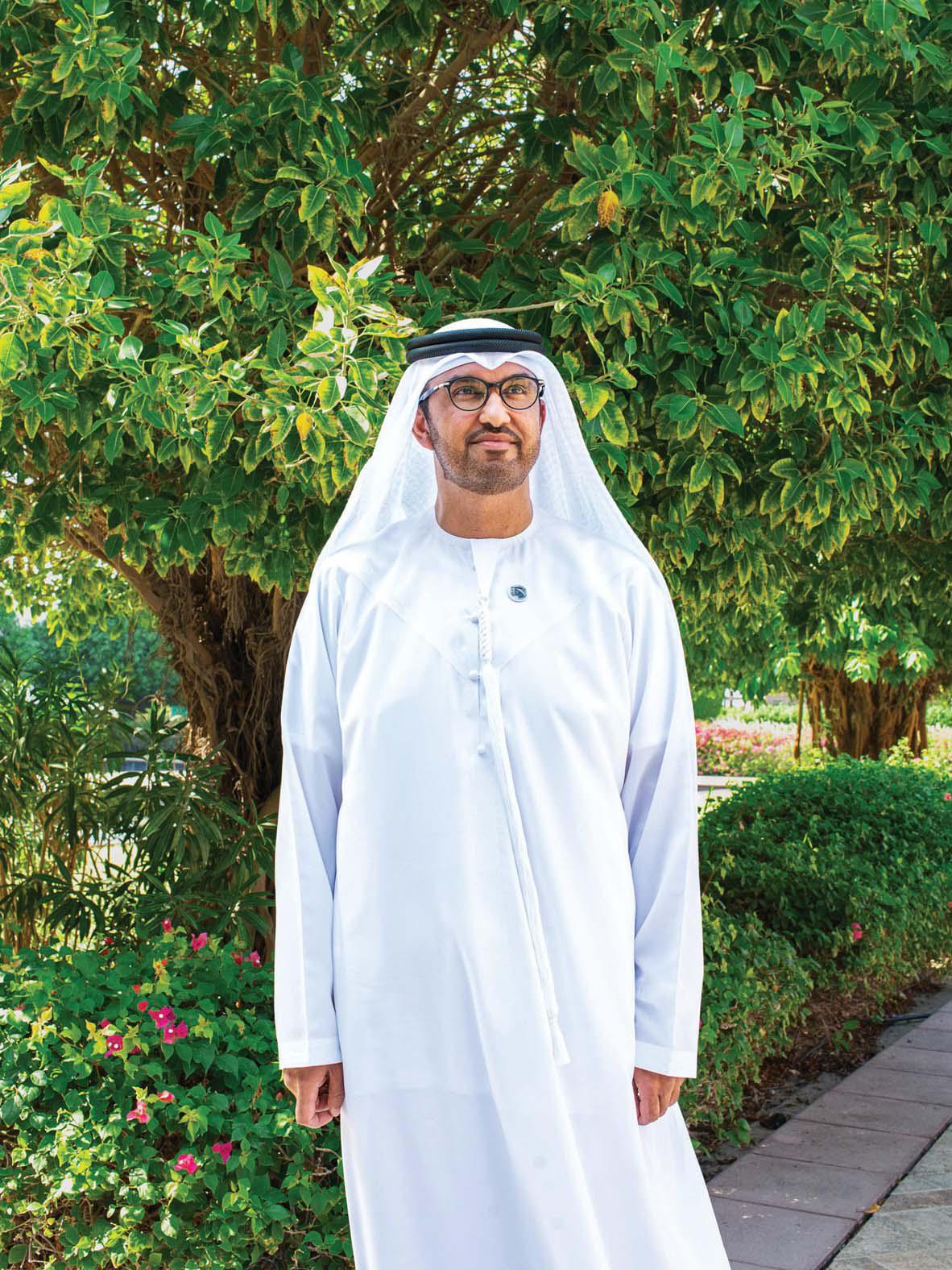
For a taste of the United Arab Emirates, try the cappuccino at Abu Dhabi's Emirates Palace hotel.
At around $25, it's a quality cup of coffee, but the gold flakes that come sprinkled on top are its primary selling point. Every turn in the Palace, one of the most expensive hotels ever built, radiates opulence: marble from floor to ceiling, more than 1,000 crystal chandeliers, gold trim, and a choice of Michelin-starred restaurants on site.
Just across the street is the source of the immense wealth that created this place, and transformed the UAE from a desolate patch of desert to a country with a higher GDP per capita (adjusted for purchasing power) than the U.S.: the Abu Dhabi National Oil Company, or ADNOC. In contrast to the lavish hotel, the glass skyscraper is polished but efficient, the offices corporate, almost austere. Employees and visitors dress modestly, following the 13-page dress code manual I received ahead of my visit.
I traveled to Abu Dhabi in late October, not to sip gilded cappuccinos, but to interview Sultan Al Jaber, the Ph.D. economist turned renewable-energy executive turned ADNOC CEO, who is presiding over the U.N. climate conference to be held in Dubai in December. The conference, known as COP28, comes as, at the close of the hottest year on record, scientific consensus demands that we cut fossil-fuel use right now. At the same time, money continues to flow into fossil fuels; more than $1 trillion in new funding was invested this year alone, according to the International Energy Agency (IEA).

Dit verhaal komt uit de December 04, 2023-editie van TIME Magazine.
Abonneer u op Magzter GOLD voor toegang tot duizenden zorgvuldig samengestelde premiumverhalen en meer dan 9000 tijdschriften en kranten.
Bent u al abonnee? Aanmelden
Translate
Change font size