Poging GOUD - Vrij
Have Your Cup, and Eat It Too
Southern Living
|January - February 2026
If you’re just enjoying chicory coffee with beignets, you’re missing half the fun
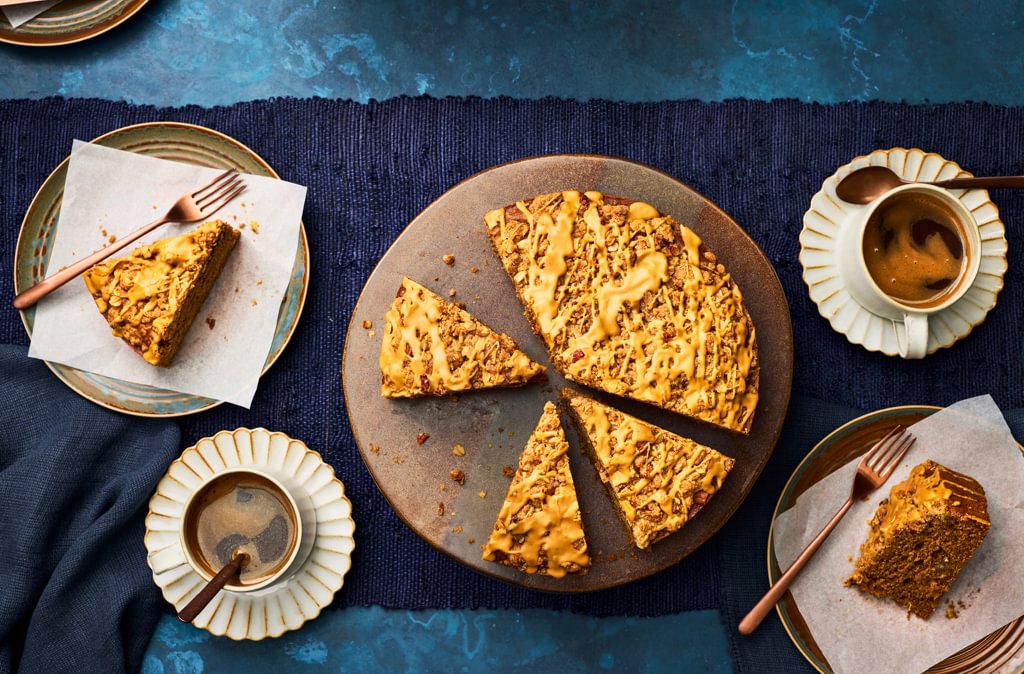
PEOPLE FROM all over the world travel to New Orleans to savor the beignets and chicory coffee at Café Du Monde and to watch the spectacle at Arnaud’s as the skilled servers flambé brandy and curaçao and combine it with the famed dark roast for their tableside Café Brûlot. But before chicory became a popular coffee add-in, it was just a humble wildflower. It’s believed that this plant first came to America as a stowaway weed on ships from Europe. Part of the Asteraceae (daisy) family and closely related to dandelions, the plant has roots (which are caffeine-free) that are ground, roasted, and seamlessly blended with coffee to make the city’s bold signature drink.
This pairing wasn’t just culinary creativity—it was born of necessity. During the Civil War, the Union Navy cut off access to harbors across the South, halting all imports. Some say that locals turned to chicory root to stretch their dwindling supply of coffee—a strategy borrowed from the French, who had learned to do the same during the Napoleonic Wars.
New Orleans had long been established as a coffee city prior to the Civil War, with a stream of unroasted beans from the Caribbean flowing into the region. In fact, one of the area’s first recognized baristas, Rose Nicaud, served café au laits in the French Quarter. Although she was born into slavery in 1812, she was able to buy her freedom thanks to the popularity of her stand in the French Market’s Hall of Vegetables. Before beans could be purchased ground, she would grind them fresh—likely with the addition of chicory during leaner times.
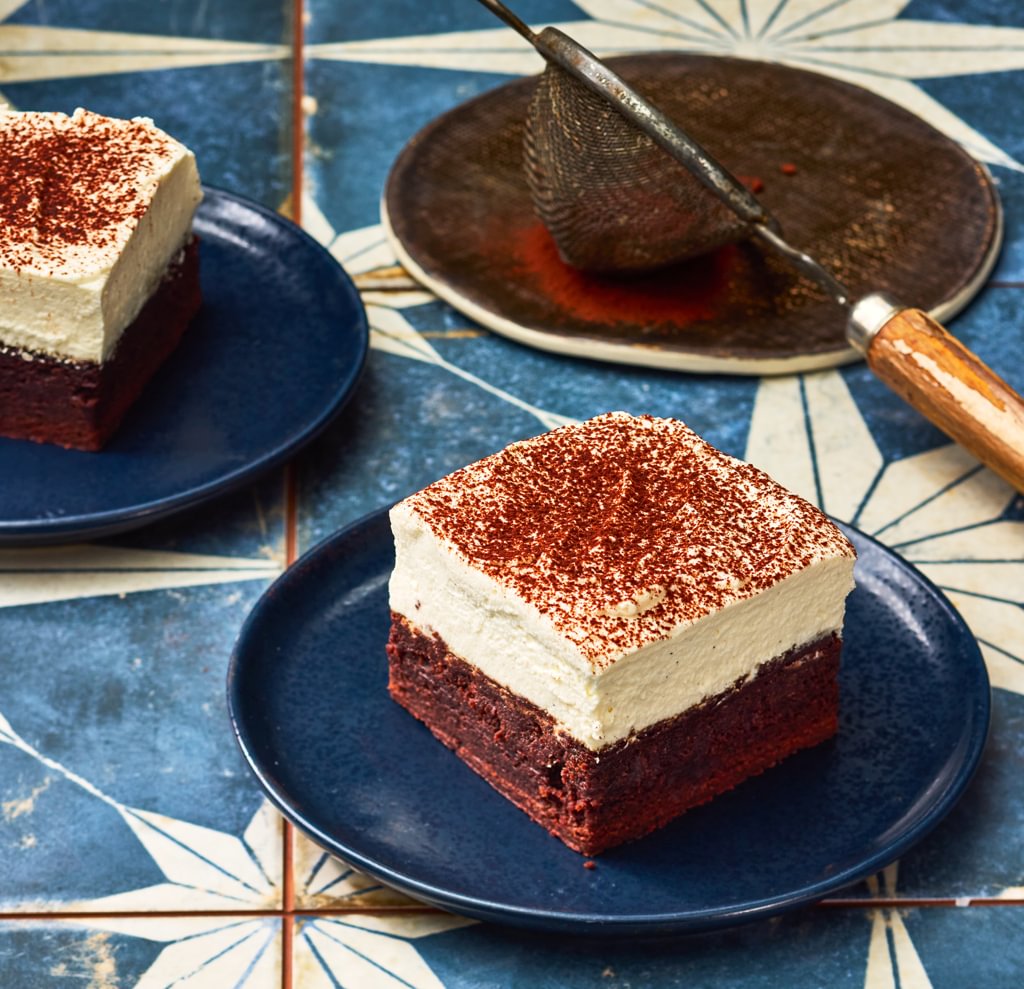
Still prominent in the Big Easy today, chicory is favored for how it rounds out the natural bitterness of coffee, creating a smoother flavor. It’s also a star ingredient in these decadent desserts, adding a taste of New Orleans history to every bite.


Dit verhaal komt uit de January - February 2026-editie van Southern Living.
Abonneer u op Magzter GOLD voor toegang tot duizenden zorgvuldig samengestelde premiumverhalen en meer dan 9000 tijdschriften en kranten.
Bent u al abonnee? Aanmelden
MEER VERHALEN VAN Southern Living

Southern Living
Dear Grumpy
You need to get some rose-colored glasses

2 mins
May 2026

Southern Living
DINNER IN FIVE
With just a handful of ingredients, these fast-fix meals are primed for summer fun
2 mins
May 2026

Southern Living
SUNNY-SIDE UP
Top crispy tortillas your way for a hearty Tex-Mex breakfast
1 mins
May 2026

Southern Living
GET INTO VACATION MODE
Lean on the blender to make your next happy hour extra chill
1 mins
May 2026

Southern Living
GATEWAY to the HILL COUNTRY
West of Austin in Dripping Springs, Texas, the big-city bustle fades into a delightfully distant hum
5 mins
May 2026

Southern Living
The Kebab Commandments
Stick to these tips and you’ll be the hero of the grill
3 mins
May 2026

Southern Living
Botanical Gardens In Bloom
Where to discover the wonders of nature during the peak days of spring
2 mins
May 2026

Southern Living
SUNSHINE IN EVERY BITE
Sweetened condensed milk works its magic in these effortless bars
1 min
May 2026

Southern Living
A LILY BY A DIFFERENT NAME
From Mother’s Day to Father’s Day, the shoals spider lily pops up in full force across select Southern states
3 mins
May 2026

Southern Living
Botanical Gardens In Bloom
Where to discover the wonders of nature during the peak days of spring
5 mins
May 2026
Listen
Translate
Change font size