
Ga onbeperkt met Magzter GOLD
Krijg onbeperkte toegang tot meer dan 9000 tijdschriften, kranten en Premium-verhalen voor slechts
Poging GOUD - Vrij
THE GEOLOGY OF WINE
Rock&Gem Magazine
|July 2025
At wine tastings today you're likely to find “flinty” sauvignon blancs, “chalky” Rieslings, and syrahs that “express the essence of limestone soil.”
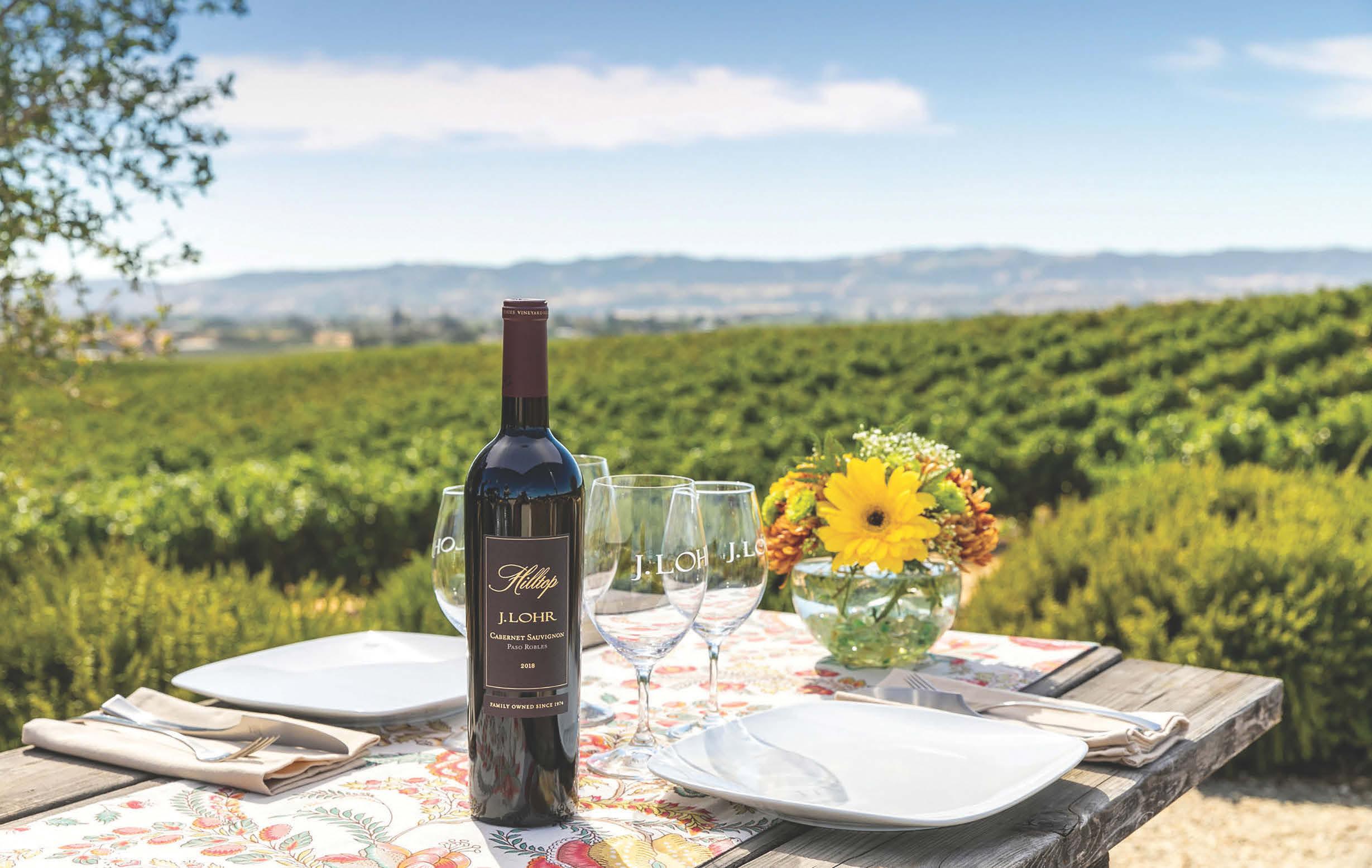
Vineyard soil has been traditionally thought to be a significant factor in determining the taste of wine. Wikimedia Commons
You'll also notice winery names like Basalt, Rhyolite, Syncline and Alluvium, along with labels that attribute certain wine tastes to “gray-blue Devonian slate” or “200-million-year-old Jurassic soil.”
But you haven't mistakenly wandered into happy hour at a geologists’ convention, you're just seeing firsthand the impact of geology in viticulture and on the controversial wine-tasting topic of minerality.
THE WINE-SOIL CONNECTION
The Christian monks who launched France’s first big winemaking effort in the Middle Ages realized that grapevines thrived at some locations but not at others. Legend says they determined the best sites for planting by tasting the soil—which made sense at a time when grapes were thought to consist only of matter that originated in soil. Over centuries, the idea that soil directly impacted wine taste became accepted.
Wine experts have long used this traditional wine-soil connection in their concept of terroir—French for “soil” or “earth” and now referring to the collective environment that gives wines their distinctive flavors. Today, vineyard owners consider soil a marketing tool that imparts a unique sense of place and a certain romance to wine that boosts consumer appeal.
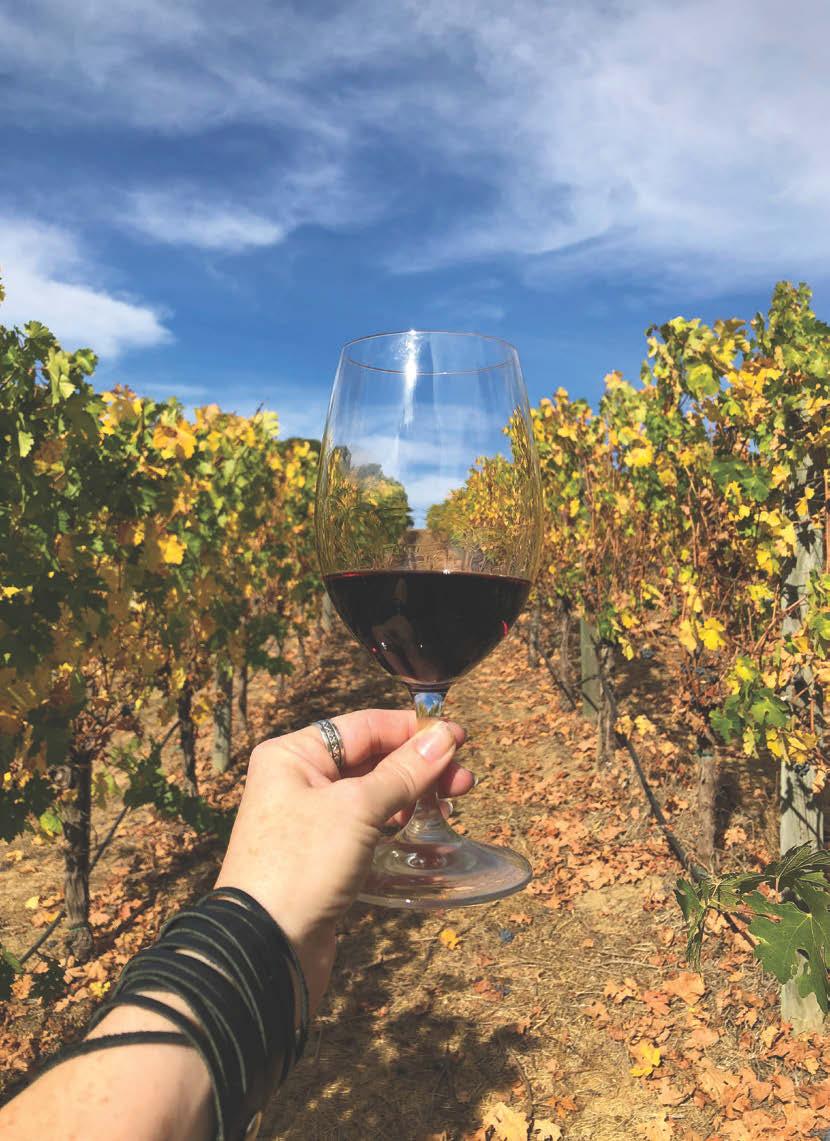 Far left: Wine taste results from the complex interaction of climate, grape varieties, viticulture, wine-making styles and types of soil. Wikimedia Commons
SOIL, GRAPES & WINE

Dit verhaal komt uit de July 2025-editie van Rock&Gem Magazine.
Abonneer u op Magzter GOLD voor toegang tot duizenden zorgvuldig samengestelde premiumverhalen en meer dan 9000 tijdschriften en kranten.
Bent u al abonnee? Aanmelden
MEER VERHALEN VAN Rock&Gem Magazine
Rock&Gem Magazine
A New Amber Locality Fills a Gap
A sandstone quarry in central Ecuador has yielded the first significant deposit of Mesozoic amber from South America.

1 min
January / February 2026
Rock&Gem Magazine
Did "Left-Handed" Fish Leave Water Earlier than Thought?
Fossil evidence suggests that fish (or \"fishapods\") dragged themselves onto land during the middle Devonian Period.
1 min
January / February 2026

Rock&Gem Magazine
"Lab Quakes” Produce Surprising Results
When faults let loose and earthquakes result, the main effect we mortals experience is the violent shaking.
1 min
January / February 2026
Rock&Gem Magazine
This Egg is No Spring Chicken
How to date a dino egg
1 min
January / February 2026
Rock&Gem Magazine
Have we Already Mined the Critical Minerals We Need
Then why are we throwing them away?!
1 min
January / February 2026
Rock&Gem Magazine
One Toxic Worm
A critter that creates & tolerates orpiment!
1 min
January / February 2026
Rock&Gem Magazine
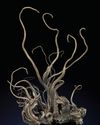
ROCK & GEM FIELD GUIDE: Silver
Silver (Ag) is a native element and one of Earth's most prized precious metals.
2 mins
January / February 2026
Rock&Gem Magazine
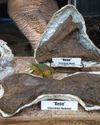
DINOSAURS OF THE HELL CREEK MUSEUM
In the Badlands of South Dakota, just outside the small town of Belle Fourche—pronounced “Bell Foosh”—a new attraction has taken shape that every dinosaur enthusiast should see. The Dinosaurs of the Hell Creek Museum is part hands-on exhibit, part science center and part active research lab.
3 mins
January / February 2026
Rock&Gem Magazine
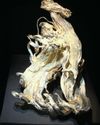
The Lost Twins of Kongsberg
A Silver Story Resurfaced
3 mins
January / February 2026
Rock&Gem Magazine
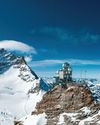
Switzerland's ICE PALACE
Walk Inside a Glacier at The Top of Europe
7 mins
January / February 2026
Listen
Translate
Change font size