Poging GOUD - Vrij
KING OF THE HÜGEL
Horticulture
|March - April 2024
GARDENERS ARE FINDING NEW USES FOR THE TIME-TESTED TECHNIQUE OF HÜGELKULTUR

Gardeners are taking notice of an ancient gardening technique said to reduce watering, need less fertilizer, improve soil diversity and quality and sequester carbon-all while saving them time and money. Called hügelkultur (hoo-gull-culture)a German phrase which translates roughly as hill, or mound, culture-its central principle combines soil and wood to create a sustainable, low-input growing system that can be adapted to suit various scales and climates. As the wood decomposes it acts like a sponge, supplying the plants with water.
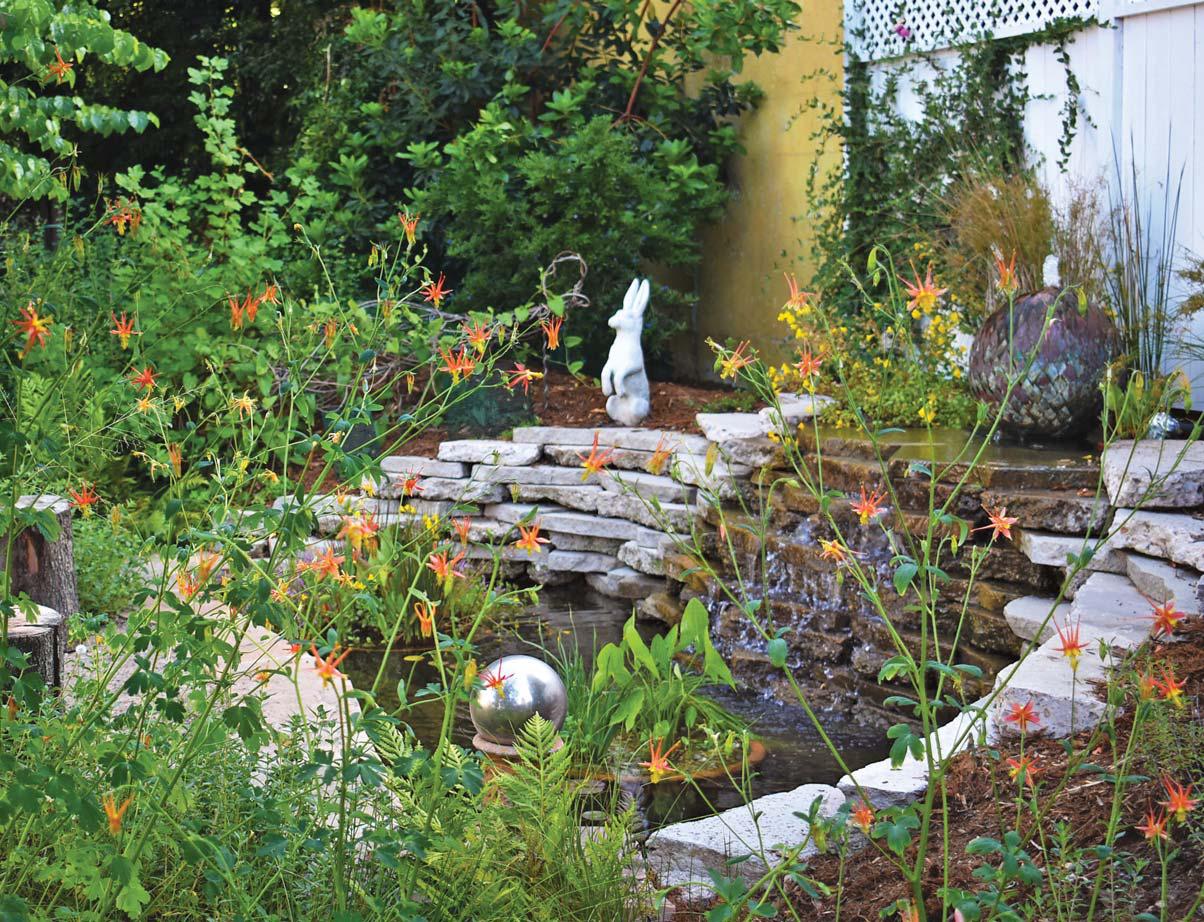
The original purpose of this centuries-old practice was to make use of woody material to help build soil in cold climates. Popularized by Austrian permaculture expert Sepp Holzer, it has been widely embraced in the permaculture community. Now, mainstream gardeners are discovering its benefits, too, amid the challenges of climate change and the rising costs of soil, building materials and fertilizer.
HOW IT WORKS
The typical use of hügelkultur is as a self-sustaining raised bed, edged or not, built from materials you can likely find at little to no cost. You start with layering logs and branches at the base, interspersed with higher-nitrogen material like grass or weed clippings or manure, and topped with highquality soil or compost. A commonly cited ratio is 70-percent woody material to 30-percent green material, such as grass clippings, non-invasive weeds or compostable kitchen scraps.


Dit verhaal komt uit de March - April 2024-editie van Horticulture.
Abonneer u op Magzter GOLD voor toegang tot duizenden zorgvuldig samengestelde premiumverhalen en meer dan 9000 tijdschriften en kranten.
Bent u al abonnee? Aanmelden
MEER VERHALEN VAN Horticulture
Horticulture
Top Tomatoes, Perfect Peppers
How to make 2026 your best year for these favorite crops

6 mins
Winter 2025

Horticulture
Cutting Gardens
You don't need a sprawling estate to grow your own bouquets
4 mins
Winter 2025

Horticulture
from Shed to Studio
A PREFAB BUILDING BECOMES A DREAM WORKSPACE IN THE GARDEN
6 mins
Winter 2025

Horticulture
A YEAR-END REVIEW
Looking back at some highs, lows and lessons learned in the 2025 gardening season
6 mins
Winter 2025

Horticulture
Always in Season
A multifaceted shrub like oakleaf hydrangea deserves a prime position. This one brings new interest to the front garden each season.
5 mins
Winter 2025

Horticulture
RESILIENT Roses
Heritage varieties flourish at Philadelphia's historic Wyck garden
5 mins
Winter 2025

Horticulture
HOW TO GARDEN SMART
“WORK SMARTER, NOT HARDER.” No doubt you’ve heard this before, usually from some consultant sent down by Corporate. Sounds great, but a week later, what? Your boss is telling you to stop thinking so much and work harder!
2 mins
Winter 2025

Horticulture
A GLIMPSE AT THE FUTURE
How quantum computers may help us recognize and build more perfect ecologies
4 mins
Winter 2025
Horticulture
A CELEBRATION OF CONES
A closer look at the form and function of conifers' unique fruits
2 mins
Winter 2025

Horticulture
ALL-AMERICA SELECTIONS
Meet the 2025 class of ornamental AAS winners
8 mins
Winter 2025
Listen
Translate
Change font size