Poging GOUD - Vrij
Raising Plants Hydroponically
Hobby Farms
|July/August 2025
This issue's column comes from a slightly different perspective, as producing plants hydroponically is a practice that hasn't yet caught on with many farmers. Yet, it could certainly fit very easily into any number of farming operations.
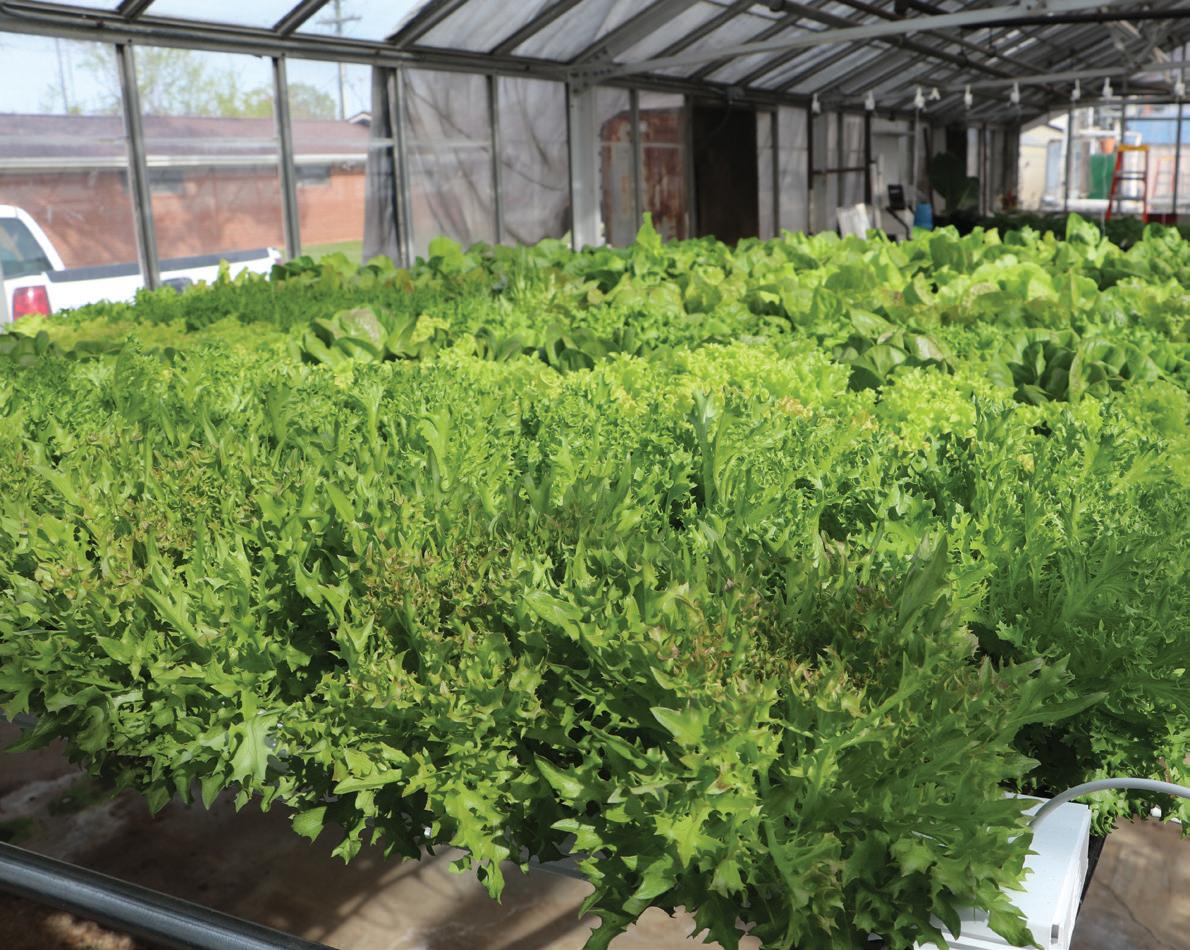
Defining Hydroponics
“Hydroponic production is the range of production in soilless environments,” says Natalie Bumgarner, associate professor and residential and consumer horticulture extension specialist with the University of Tennessee Extension Service.
“People have many different nuances as they describe those,” she says. “Sometimes, hydroponic will be without a solid growing media such as a nutrient film technique [NFT] or a channel system like those used for growing lettuce. Many of the hydroponic systems for cucumbers and tomatoes and the larger crops are growing in peat or perlite or a coconut coir but they are being fed by either a continuous or an intermittent nutrient solution. I tend to categorize all soilless systems as hydroponics.”
While no longer plentiful, family farms dating back multiple generations still populate the scenic valley that I call home.
From my farm, it's easy to think of a member of our farming community whose unique expertise lends itself well to the column topics I seek to cover. In each issue, I'll spotlight farming operations whose practices aren't only applicable across the country but that you can take and make use of for your own farm.
- Hope Ellis-Ashburn
Useful Applications
Growing plants hydroponically can be useful for small and large farmers alike. “It allows you to closely control the physical and nutrient properties of what you are delivering to the plants,” Bumgarner says. “On a small scale, this could be done in an area where there isn’t high-quality soil or in urban situations.
Most of the time, it’s paired with a greenhouse-type system where you’re closely controlling the temperature, humidity, light and the physical and chemical properties at the root zone. “It allows you to increase the speed and reliability of production,” she says.
Choosing & Growing Crops


Dit verhaal komt uit de July/August 2025-editie van Hobby Farms.
Abonneer u op Magzter GOLD voor toegang tot duizenden zorgvuldig samengestelde premiumverhalen en meer dan 9000 tijdschriften en kranten.
Bent u al abonnee? Aanmelden
MEER VERHALEN VAN Hobby Farms
Hobby Farms
SHETLAND SHEEP
With their wide range of colors and fleece types, excellent meat, small size, resistance to disease and ability to take good care of themselves, Shetland sheep are an ideal breed for many small farms.

1 mins
July/August 2026
Hobby Farms
Got (Sheep) Milk?
Here’s a beginner’s guide to dairy sheep.
4 mins
July/August 2026
Hobby Farms
BABYDOLL SOUTHDOWN SHEEP
The North American Babydoll Southdown Sheep Association refers to this diminutive breed as “charming creatures” because of its dispositions and adorable appearance.
1 min
July/August 2026

Hobby Farms
WELL DONE
Happy Hollow Farm has adapted to farming in uncertain water years.
7 mins
July/August 2026
Hobby Farms
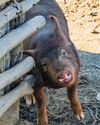
Pig Mites & Lice
Learn how to tell lice and mites apart for accurate diagnosis and treatment.
4 mins
July/August 2026
Hobby Farms
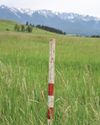
Rotational Grazing for All
Better forage, healthier soil and improved weight gain can make the planning worthwhile.
7 mins
July/August 2026

Hobby Farms
Beat the Heat
Easy DIY cooling systems you can set up on your hobby farm to keep your livestock cool and comfortable this summer.
7 mins
July/August 2026
Hobby Farms
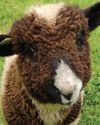
HARLEQUIN SHEEP
This U.S.-developed miniature sheep breed is hardy and lambs easily, often having multiple lambs.
1 min
July/August 2026
Hobby Farms
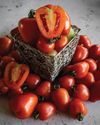
Cherry Tomato Rainbow
Cherry tomatoes may be small, but they can be every bit as flavorful as the juiciest slicer you've ever grown.
6 mins
July/August 2026
Hobby Farms
Natural Selection
Try one of these herbal remedies for goats.
6 mins
July/August 2026
Listen
Translate
Change font size