Poging GOUD - Vrij
Fingers, frog's and fairies
BBC History UK
|February 2025
Fortune telling was all the rage in the 16th and 17th centuries, and practitioners would stop at nothing to tap in to the supernatural. Martha McGill tells a story of Highland seers, tarot cards and encounters with the spirit world
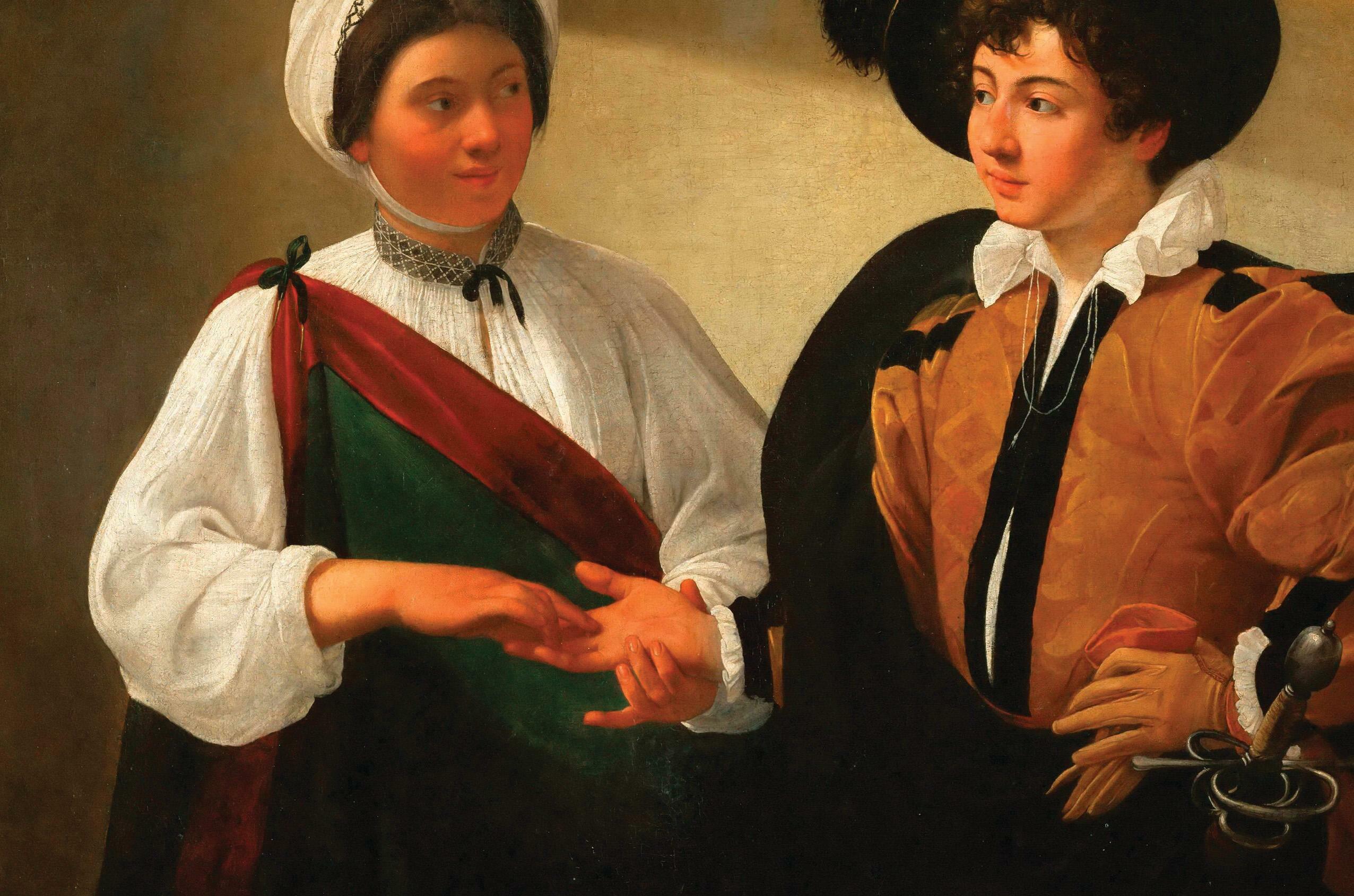
As the younger son of a baron, Goodwin Wharton was determined to live well. Inconveniently, he had no money, but he was not short of ideas. He invented various devices, including one “for the squenching of public fires”. He went diving for sunken treasure. He got elected to parliament in 1679, only to damage his political fortunes with an incendiary speech claiming that the soon-to-be King James II & VII wanted to “destroy us all”. He even tried eating the still-palpitating heart of a mole, a traditional charm for foretelling the future. He hoped it would help him win at gambling. But nothing worked out.
By 1683 Wharton was desperate, and he found himself entering a “scurvy” tavern in a “poor beggarly alley” in London’s Covent Garden. Among the inglorious clientele was Mary Parish, an impoverished ‘cunning’- woman in her fifties. Wharton wanted a more effective gambling charm. Instead, he got a partner. Over the next 20 years Parish advised Wharton on his affairs, procured magical items for him and sent him on treasure hunts. She also conceived - by her own reckoning - 106 of Wharton’s children, although only one or two made it to adulthood.
Perhaps most striking were the pair’s dealings with the spirit world. Parish promised to introduce Wharton to the fairy queen, but problems kept arising: the way was flooded, the queen was on her period, a fairy duke had tried to poison her with chocolate. Nor did Wharton ever see Parish’s angelic advisors, though they apparently shaved his hair while he slept to give him a noble forehead.
But by 1687, Wharton had learned to communicate with higher powers. The voice of the Lord guided him while he gambled, and assured him he would seduce at least 500 women, including Mary, wife of James II. This never came to pass, but Wharton’s fortunes did recover in time: he re-entered politics and became one of the lords commissioners of the Admiralty in 1697–99.
The world of spirits

Dit verhaal komt uit de February 2025-editie van BBC History UK.
Abonneer u op Magzter GOLD voor toegang tot duizenden zorgvuldig samengestelde premiumverhalen en meer dan 9000 tijdschriften en kranten.
Bent u al abonnee? Aanmelden
MEER VERHALEN VAN BBC History UK
BBC History UK
Royal progress
Alice Loxton's new book begins with a compelling premise.

1 mins
January 2026

BBC History UK
"Leaving Muslim contributions out of European history has allowed Islamophobic sentiment to flourish"
THARIK HUSSAIN speaks to Danny Bird about the long but often overlooked and distorted history of Muslims in Europe - and the enduring resistance to its reappraisal
9 mins
January 2026
BBC History UK
7 UNMISSABLE TRIPS IN 2026
With new routes, big anniversaries and fresh ways of discovering familiar favourites, TOM HALL highlights historical destinations to explore this year
4 mins
January 2026

BBC History UK
SOPHIE SCHOLL
Novelist Simon Scarrow chooses
2 mins
January 2026
BBC History UK
Portrait of the artists
TRACY BORMAN is enraptured by a beautifully written and richly illustrated exploration of early modern English art
2 mins
January 2026
BBC History UK
Humble heroes
Statues celebrate monarchs, rulers and conquerors - but who remembers the brave folk who gave their lives to save others? Anna Maria Barry recounts stories of selfsacrificing but otherwise ordinary people from the 19th and 20th centuries who are commemorated in one London park.
9 mins
January 2026
BBC History UK
BACK FROM THE DEAD
Britain’s War Office thanked the SAS for its remarkable efforts in WW2 by abolishing it – yet soon realised the error of its ways. Gavin Mortimer tells the story of how the elite unit reinvented itself to confront the challenges of the postwar world
8 mins
January 2026
BBC History UK
Q&A - A selection of historical conundrums answered by experts
Were Roman gladiators vegetarian?
8 mins
January 2026
BBC History UK
Martha McGill on a pioneering study of folk beliefs in early modern England
I was recently chatting with a handful of early modernists about the history book we'd take to a desert island.
1 min
January 2026
BBC History UK
Independent empires
Viewing the British empire through an American lens provides an intriguing alternative perspective on the 'Land of the Free', says DAVID ARMITAGE
4 mins
January 2026
Listen
Translate
Change font size