Poging GOUD - Vrij
"RAIN OF RUIN" PATH TO HIROSHIMA
History of War
|Issue 149
At the climax of fighting in the Pacific, the USA revealed its ultimate weapon and ushered in a new era of warfare
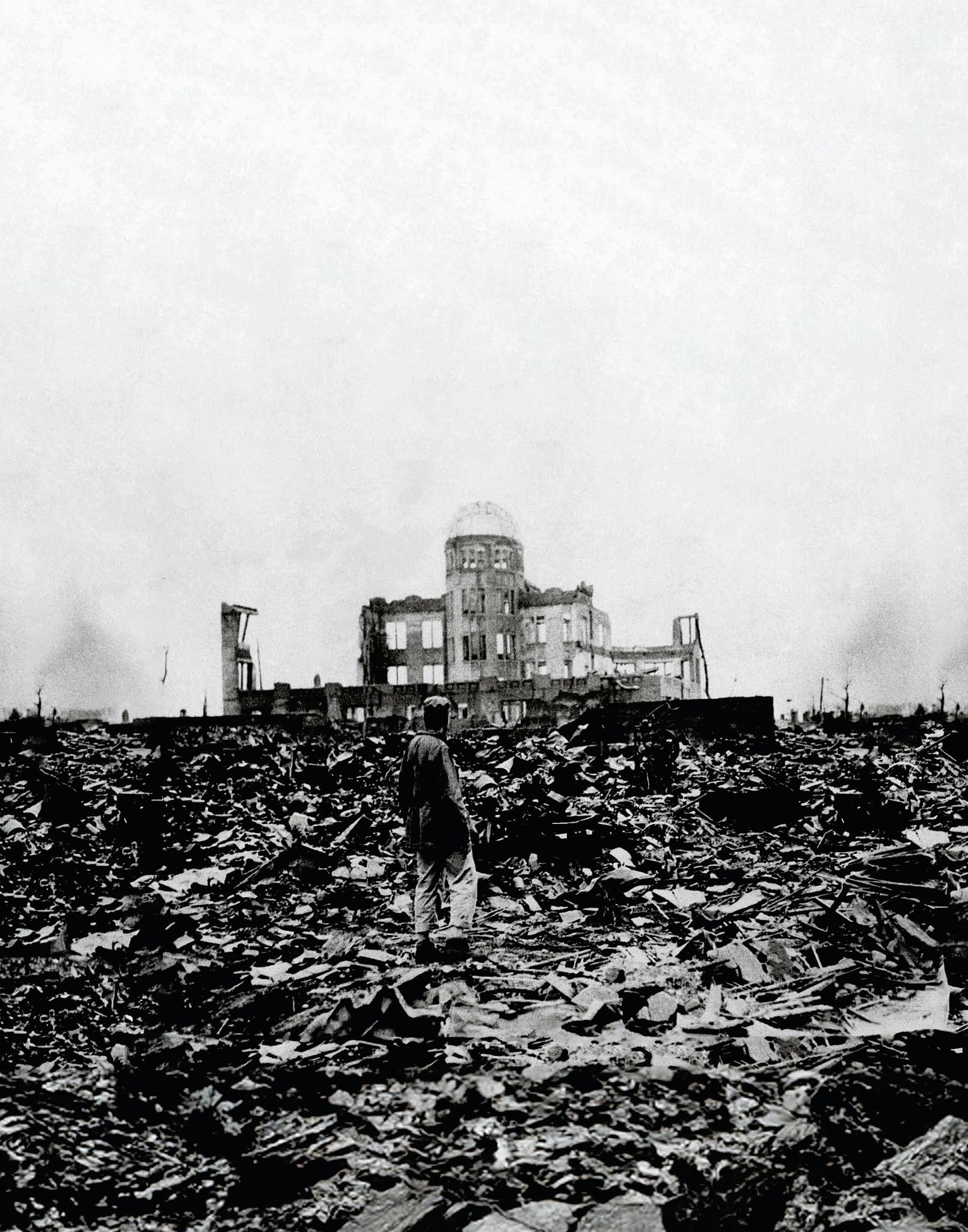
The bomber will always get through; the only defence is offence,” Stanley Baldwin told the British Parliament in 1932.
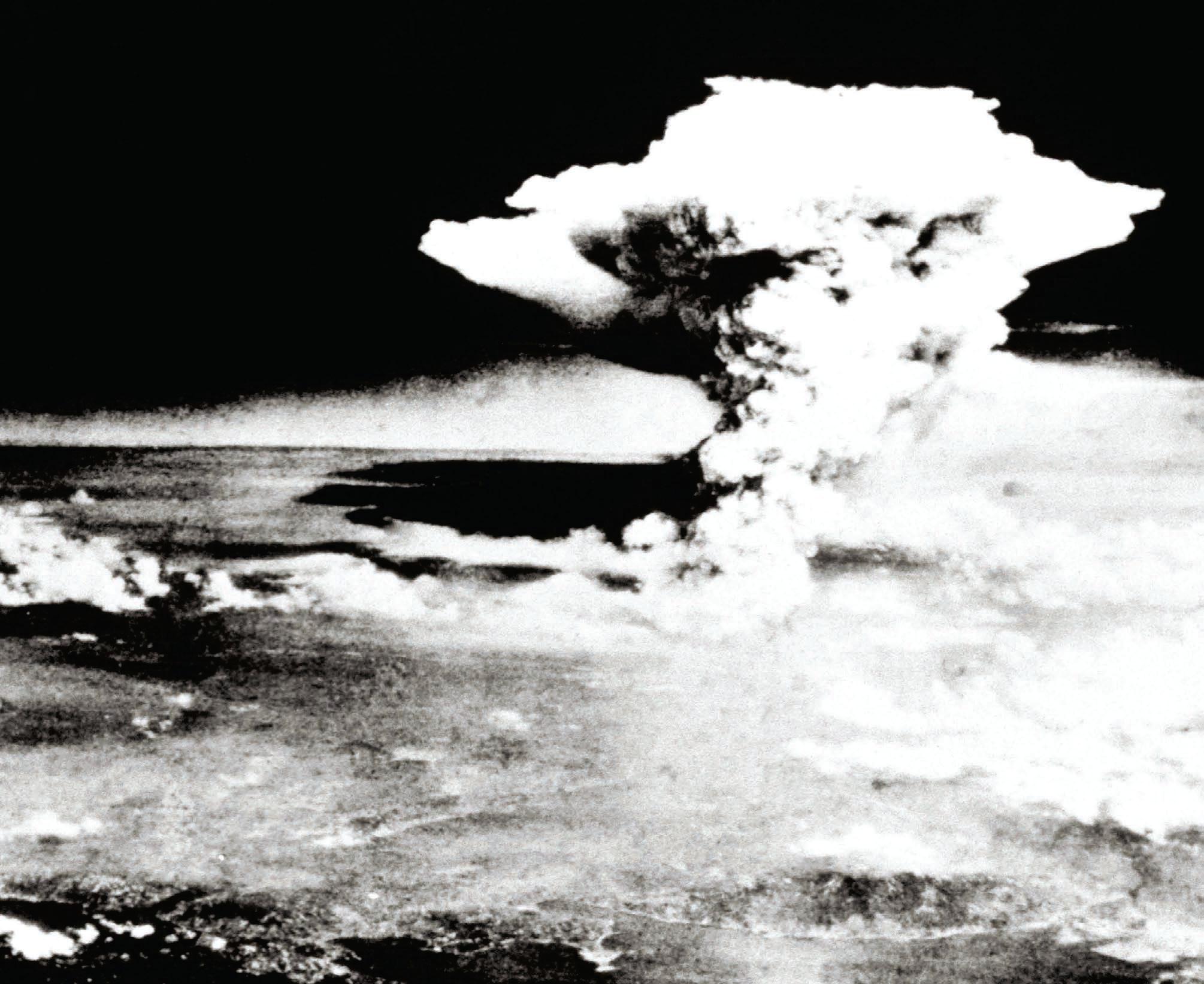
Five years later during the Spanish Civil War, Hitler's Condor Legion devastated Guernica with high-explosive and incendiary bombs. Hamburg, Dresden, Cologne, Coventry and other European cities followed in the Second World War. The destructive power of aerial bombardment was also unleashed in the Pacific Theatre: hundreds of thousands died in Tokyo, Osaka, Kobe and more when incendiary bombs ignited wooden homes into unstoppable firestorms. The crescendo of this devastating strategy came when the atomic bombs Fat Man and Little Boy fell on Hiroshima and Nagasaki.
At the outset of the Second World War President Franklin D Roosevelt implored the belligerents to avoid civilian casualties when bombing. Yet even as he made this plea, one of the USA's greatest aviation achievements and the eventual bearer of weapons of mass destruction, the B-29 Superfortress, was already in development.
“The strategy would be that machines do the fighting to save a hell of a lot of casualties. That doctrine dominated American policy even before Pearl Harbor,” says Iain MacGregor, historian and author of The Hiroshima Men. He also notes the economic significance of an aircraft programme that cost more than the Manhattan Project: “Investing that kind of money meant rejuvenating America’s economy. The aircraft industry had taken a pounding during the Great Depression. They deliberately made sure to build the plane in middle America, partly for security – no saboteur could get near it – but also because it revived entire regions of the Midwest.”

Dit verhaal komt uit de Issue 149-editie van History of War.
Abonneer u op Magzter GOLD voor toegang tot duizenden zorgvuldig samengestelde premiumverhalen en meer dan 9000 tijdschriften en kranten.
Bent u al abonnee? Aanmelden
MEER VERHALEN VAN History of War
History of War
HOW TO BUILD A SPITFIRE
AN ABSORBING TALE OF ONE MAN'S OBSESSION TO BUILD A FULL-SIZE REPLICA SPITFIRE IN HIS GARDEN JUXTAPOSED AGAINST REAL STORIES OF BUILDING SPITFIRES AND THE MEN WHO FLEW THEM

2 mins
Issue 154
History of War
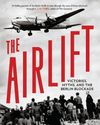
THE AIRLIFT
VICTORIES, MYTHS, AND THE BERLIN BLOCKADE
3 mins
Issue 154

History of War
WITH SPANNERS DESCENDING
Discover the essential role of British Army engineers during Second World War airborne operations
1 min
Issue 154
History of War
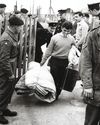
HOMEMADE EOKA FLAG
Breaking a ban enforced during the Cyprus Emergency, this flag compared the Cypriot fight against the British Empire to the Greek War of Independence against the Ottoman Empire
1 mins
Issue 154

History of War
SPIES, LIES AND DECEPTION
Introduce your children to over a century of spying as the Imperial War Museum's exhibition on espionage comes to Manchester
1 mins
Issue 154
History of War
DESERT DAREDEVIL
Scientist, explorer and a pioneer of special forces warfare – Ralph Bagnold was responsible for creating a crack unit during WWII
9 mins
Issue 154

History of War
OBJECTS IN FOCUS: VE/VJ DAY
The Royal Armouries Museum's new display commemorates the individuals and weapons who fought in the Pacific during WWII's final months
1 min
Issue 154
History of War
1945 - THE RECKONING WAR, EMPIRE AND THE STRUGGLE FOR A NEW WORLD
THIS EXAMINATION OF WHAT THE END OF WWII MEANT FOR THE BRITISH, DUTCH AND FRENCH EMPIRES POSES SOME UNCOMFORTABLE QUESTIONS
2 mins
Issue 154
History of War
POINTE DU HOC
During D-Day's toughest mission, US Rangers stormed an artillery position between Omaha and Utah beaches, before holding out against two nights of counterattacks
10 mins
Issue 154
History of War
WOLFPACK- INSIDE HITLER'S U-BOAT WAR
GET A TASTE OF THE FEAR, TENSION AND 'DEATH OR GLORY' LIFE OF GERMANY'S SUBMARINE CREWS
1 min
Issue 154
Listen
Translate
Change font size