
Ga onbeperkt met Magzter GOLD
Krijg onbeperkte toegang tot meer dan 9000 tijdschriften, kranten en Premium-verhalen voor slechts
Poging GOUD - Vrij
THE FIRST AMERICANS
All About History UK
|Issue 152
Discover indigenous life before the colonists landed
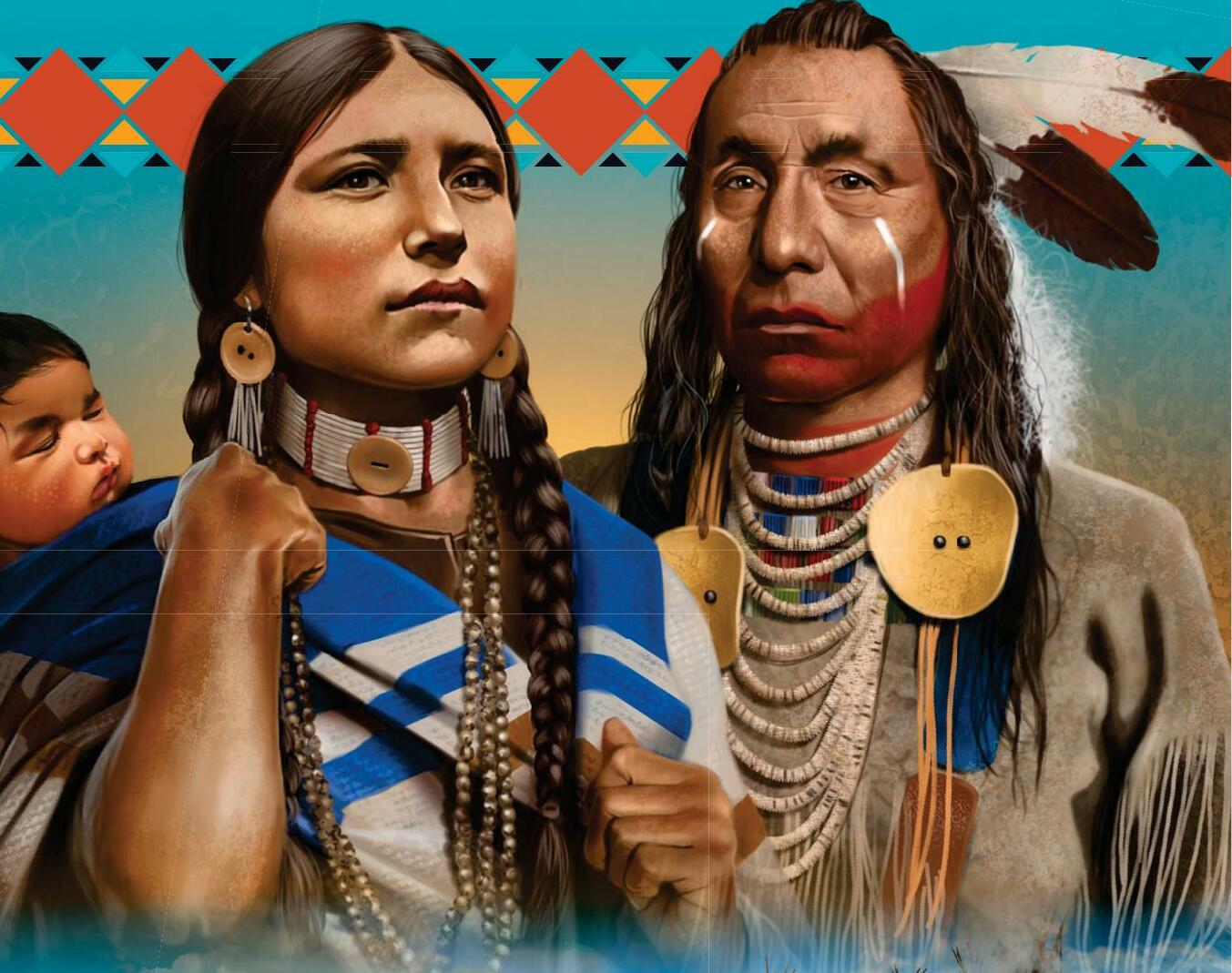
SOUTHEAST
At the time of contact, or the mid-16th century, Southeastern Native American groups were organised as hierarchical chiefdoms across a large region, from east Texas to southwestern Virginia, and from southern Illinois to Florida. These groups are known to archaeologists as belonging to the Mississippian period and were first identified by their large, flat-topped earthen mounds found in abundance along the Mississippi River. However, mound sites are found across the entire region.
Chiefdoms were societies where a chief was in charge of a few hundred to a few thousand people. Corn agriculture was the basis of the Mississippian chiefdoms' society - it provided a reliable food source and could be dried, stored and exchanged for other items. These items might include engraved shell gorgets, copper repoussé plates, shell beads and finely crafted blades. The chief and his or her entourage lived on top or near the mound, and others lived in square houses located around the mound. A plaza located in front of the mound provided a place for gatherings, games, conversation, contests and more.
At the time of contact, the largest Mississippian chiefdom, Cahokia, located in present-day east St Louis, had come and gone. At its height it may have had over 20,000 residents and was engaged in trade as far away as the Southwest. Chiefdoms by their nature are unstable political organisations. Other chiefly centres rose across the region, including Etowah in northwest Georgia; Moundville in central Alabama; and Winterville and Emerald in Mississippi. Mounds contain burials of past chiefs and are sacred sites to Native American descendant groups today.
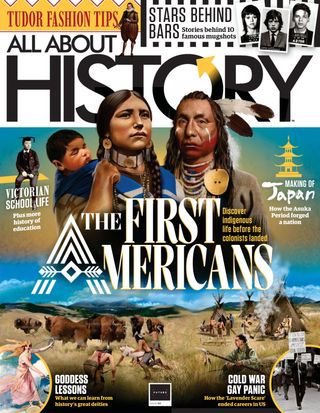

Dit verhaal komt uit de Issue 152-editie van All About History UK.
Abonneer u op Magzter GOLD voor toegang tot duizenden zorgvuldig samengestelde premiumverhalen en meer dan 9000 tijdschriften en kranten.
Bent u al abonnee? Aanmelden
MEER VERHALEN VAN All About History UK
All About History UK
LOOS
PAS DE CALAIS, FRANCE 25 SEPTEMBER - 13 OCTOBER 1915

13 mins
Issue 170
All About History UK
VIKING BATTLE FOR SCOTLAND
How Orkney and Shetland became the centre of the Viking world and their last outpost
5 mins
Issue 170
All About History UK
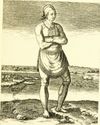
FINDING THE LOST COLONY
Professor Mark Horton explains how the ‘mystery’ of the lost colony at Roanoke was solved
4 mins
Issue 170
All About History UK
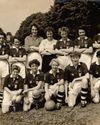
THE CORINTHIANS: WE WERE THE CHAMPIONS
A remarkable tale from the wilderness of women's football in England
2 mins
Issue 170
All About History UK
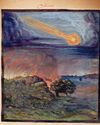
PREDICTING THE FUTURE
A new book explores the global history of prophecies, omens and fortune telling
2 mins
Issue 170
All About History UK
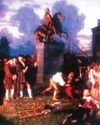
BATTLE FOR AMERICA
Discover how the burning flame of liberty spread through the colonies to defeat an empire
13 mins
Issue 170
All About History UK
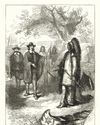
NATIVES AND SETTLERS
Meet ten of the most important and influential people who helped shape the American colonies
4 mins
Issue 170
All About History UK
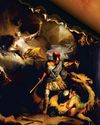
THE WOMEN WHO FOUGHT DRAGONS AND WON
Historian and author Jasmine Elmer discusses the history and mythology of female dragon slayers
10 mins
Issue 170
All About History UK
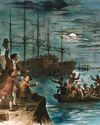
ROBINSON HALF CHEST
On the night of the Boston Tea Party, 340 tea chests were thrown into the harbour - now only two survive
1 mins
Issue 170
All About History UK
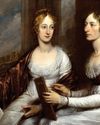
REGENCY Style
Unravel the real-life fashions of the era
8 mins
Issue 170
Listen
Translate
Change font size