Poging GOUD - Vrij
If I Only Had a Brain-Computer Interface - These medical miracles are changing what science thought possible
The BOSS Magazine
|September 2024
These medical miracles are changing what science thought possible. As Elon Musk once noted, How much smarter are you with a phone or computer or without? You're vastly smarter, actually. You can answer any question pretty much instantly. You can remember flawlessly. Your phone can remember videos, pictures perfectly. Your phone is already an extension of you. You're already a cyborg.

There are many of us who are so attached to our smartphones that they might as well be part of us.
As Elon Musk once noted, How much smarter are you with a phone or computer or without? You're vastly smarter, actually. You can answer any question pretty much instantly. You can remember flawlessly. Your phone can remember videos, pictures perfectly. Your phone is already an extension of you. You're already a cyborg.
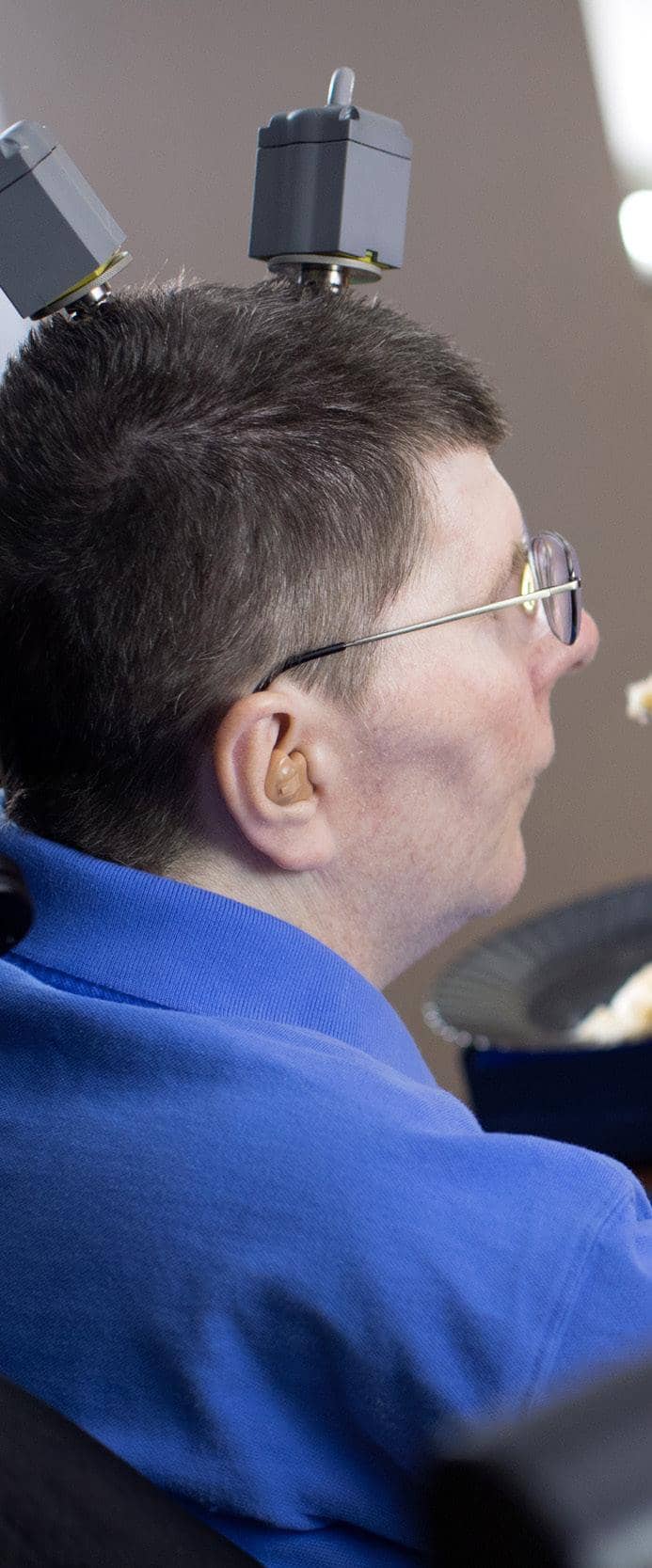
But brain-computer interfaces, which interpret electrical signals from the human brain and turn them into real, physical actions, are a different beast altogether. As Musk's Neuralink and others leading the charge in brain-computer interfaces have found, translating the complexities of the human mind is a complex challenge. Given the medical breakthroughs brain-computer interfaces are achieving, though, it's a challenge well worth taking head-on.
Restoring movement
The market for brain-computer interfaces is growing at a staggering 13.1% year-over-year according to Grand View Research, and will be worth nearly $4 billion by 2028. A big reason for that growth is the primary use case in aiding patients with neurological disorders, which affect around 1 billion people worldwide to some degree.
BrainGate has allowed patients suffering from ALS, stroke, and spinal cord injuries to control computer cursors with their thoughts. By simply imagining their hands moving the cursor while their brains were hooked up to BrainGate's interface of micro-electrodes hooked up to the brain, patients with tetraplegia (full or partial loss of use of all four limbs) were able to reach targets on a computer screen with calibration times of less than a minute.


Dit verhaal komt uit de September 2024-editie van The BOSS Magazine.
Abonneer u op Magzter GOLD voor toegang tot duizenden zorgvuldig samengestelde premiumverhalen en meer dan 9000 tijdschriften en kranten.
Bent u al abonnee? Aanmelden
MEER VERHALEN VAN The BOSS Magazine

Reboot Magazine
PLAYING IT FORWARD
Enduring values meet future forward technology at Seneca Gaming Corporation

5 mins
October 2025
Reboot Magazine
TECHNICAL DIFFICULTIES
SMB LEADERS SPENDING 13 HOURS PER WEEKK ON TECH-RELATED ISSUES
2 mins
October 2025

Reboot Magazine
HARDENING THE EDGE
PHYSICAL SECURITY AT DATA CENTERS IS JUST AS IMPORTANT AS ITS VIRTUAL COUNTERPART
4 mins
October 2025

Reboot Magazine
A LEVEL PLAYING FIELD
For years, small businesses were at a technological disadvantage. New tools are changing the dynamic, Constant Contact's Frank Vella tells us.
4 mins
October 2025

Reboot Magazine
MIND OVER MATTER
AI IN MENTAL HEALTH CARE HAS TREMENDOUS POTENTIAL. IF IT'S USED RESPONSIBLY.
3 mins
October 2025

Reboot Magazine
WORLD WIDE WEIRD
Hacks are serious business. But sometimes, they can be silly.
3 mins
October 2025

Reboot Magazine
UK'S ONLINE SAFETY ACT
The near-decade of review is over, and the Act is in full force - but the controversy carries on
4 mins
October 2025

Reboot Magazine
VALUE BEYOND MEASURE
Wealthtech puts advisers' and investors' minds at ease
3 mins
October 2025

Reboot Magazine
THE TECHNOLOGY OF BEAUTY
EVEN THOUGH IT'S FAR FROM MATURE, THE INTEGRATION OF AI INTO AESTHETIC MEDICINE IS ALREADY MAKING THE PRACTICE SAFER AND MORE EFFECTIVE
4 mins
October 2025

Reboot Magazine
The Jolt They Need
TWO AMERICAN STAPLES BETTING ON EVS' FUTURE
3 mins
October 2025
Listen
Translate
Change font size