Poging GOUD - Vrij
The essential role of boron in table grape production
Farmer's Weekly
|August 15-22, 2025
The addition of micronutrients like boron are critical in the cultivation of table grapes, as Zunel van Eeden discovered in conversation with agronomist
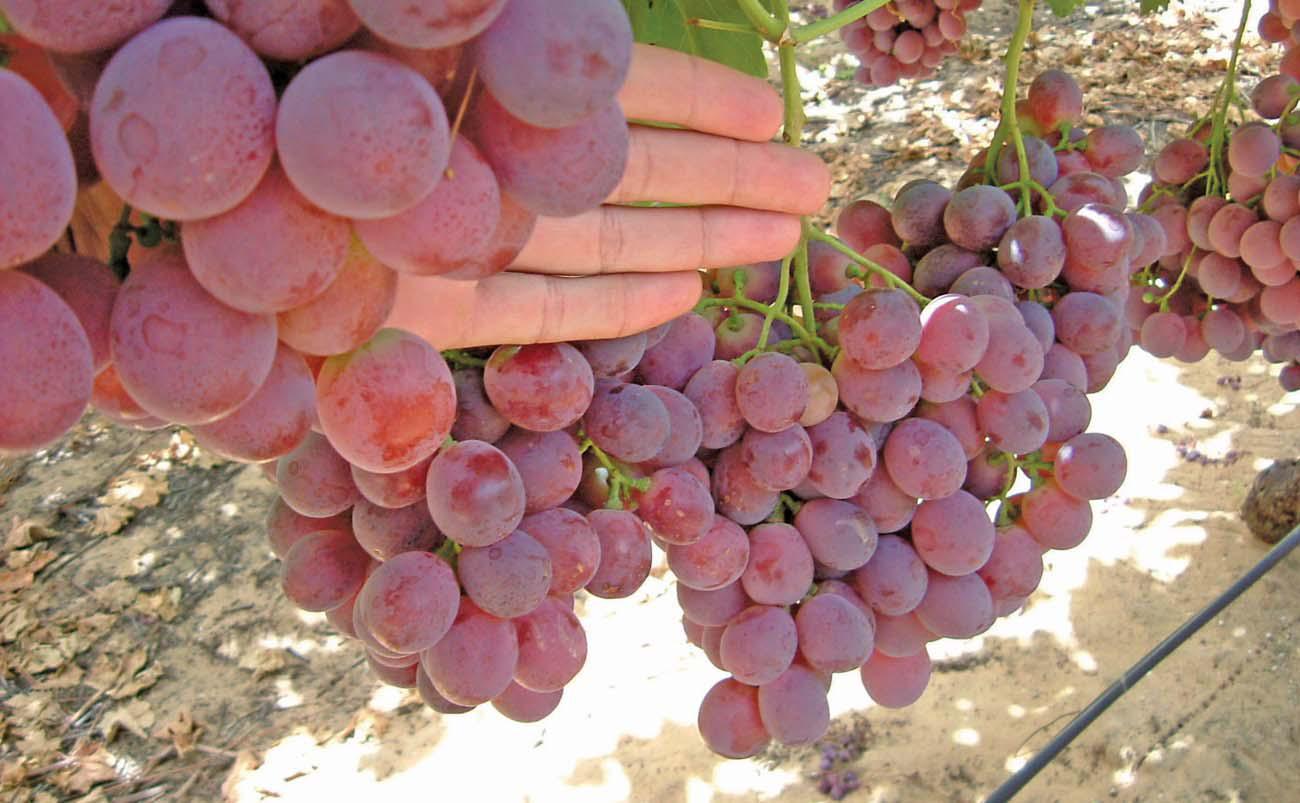
In table grape production, boron is one of the most vital, yet often overlooked, micronutrients.
Although it is required in small quantities, its impact on yield, fruit quality, and pollination is substantial.
Pieter Botha, agronomist at Yara Africa Fertilizer, shared key insights into the importance of boron, its behaviour in the plant-soil system, application strategies, and considerations for long-term management.
BORON'S IMPORTANCE
Boron is one of 12 plant-essential nutrients and is specifically classified as a micronutrient.
In grapes, however, boron — along with zinc — is required in greater quantities than other micronutrients, due to its importance for growth, fruit set, yield, and grape quality.
Table grapes typically use anything between 150g/ha and 300g/ha of boron annually, but the actual requirement varies depending on soil type, cultivar, planting density, vigour, and canopy volume.
Boron is involved in critical physiological processes, including enzyme function, carbohydrate metabolism, sugar translocation, and the synthesis of nucleic acids and plant hormones.
It is essential to maintain the structural integrity of cell membranes and is concentrated in growing points such as young leaves and fruit.
Moreover, boron facilitates calcium transport within the plant and improves cell wall elasticity, making it especially important for flower development, pollen germination, fruit set, and berry development.
Adequate boron nutrition also directly influences crop yield and uniformity. '
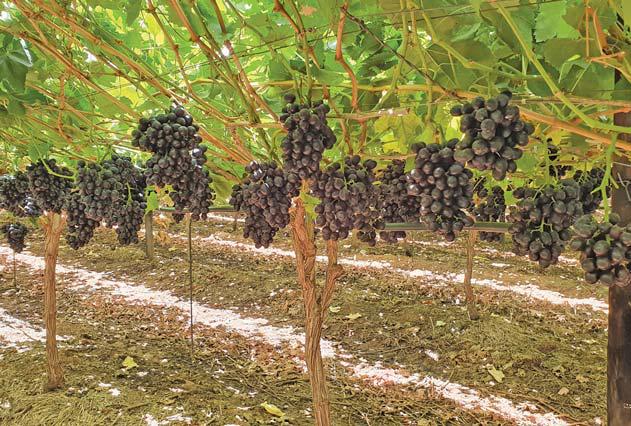 APPLICATION AND MOBILITY

Dit verhaal komt uit de August 15-22, 2025-editie van Farmer's Weekly.
Abonneer u op Magzter GOLD voor toegang tot duizenden zorgvuldig samengestelde premiumverhalen en meer dan 9000 tijdschriften en kranten.
Bent u al abonnee? Aanmelden
MEER VERHALEN VAN Farmer's Weekly
Farmer's Weekly
South Africa eyes home-grown rice as ARC expands research efforts
South Africa is taking bold steps toward reducing its dependence on rice imports by exploring the viability of home-grown upland rice. Through a major research drive led by the Agricultural Research Council's Small Grain division, scientists and industry partners are testing rice varieties capable of thriving in South Africa's diverse soils and increasingly water-scarce climate. Anelisa Gusha reports.

3 mins
January 16-23, 2026

Farmer's Weekly
Sweet prospects: the current state of litchi production in South Africa
Bram Snijder, agricultural consultant and chairperson of the South African Litchi Growers' Association, spoke to Octavia Avesca Spandiel about the litchi industry embracing new opportunities, tackling challenges, implementing innovation, and reaching markets both locally and internationally.
6 mins
January 16-23, 2026
Farmer's Weekly
How AFGRI uses technology to unlock farm finance from asset to market
As modern farming becomes more capital-intensive and digitally driven, AFGRI is reinventing agricultural finance by linking technology directly to lending decisions.
5 mins
January 16-23, 2026

Farmer's Weekly
Adele's Mohair: a living tapestry of craft, colour and rural heritage
Octavia Avesca Spandiel spoke to Adele Cutten, founder of Adele's Mohair, to explore how a small spinning experiment grew into a thriving rural craft enterprise rooted in South Africa's rich mohair heritage.
6 mins
January 16-23, 2026

Farmer's Weekly
How Merino farmers are battling predation, disease and rising costs
Whether you are a stud breeder or commercial Merino farmer, environmental, operational, and infrastructural challenges have an equal impact on a farming operation. The aim of any livestock farmer, whether stud or commercial, is to keep losses at a minimum, and although farmers are facing many challenges, they implement various strategies to ensure both the survival and financial security or profitability of farming operations.
9 mins
January 16-23, 2026
Farmer's Weekly
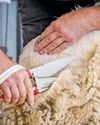
The future of SA wool: refined infrastructure and wool traceability
As the agriculture sector starts to adapt to the fast-paced development of technology, producers and processors need to decide what to implement and what to avoid. Henning Naudé spoke to Izak Klopper, manager of shearer training at the National Wool Growers' Association, about how shearing has changed, and what the industry can expect from new research and development from international markets.
5 mins
January 16-23, 2026
Farmer's Weekly
Cannabis and marketing in South Africa
The path from cultivation to commercial success remains complicated by regulatory ambiguity. Cultivators who master compliant marketing while delivering verifiable quality will build sustainable businesses, says Thomas Walker.
2 mins
January 16-23, 2026

Farmer's Weekly
Profitability from on-farm horses in difficult economic times
Integrating horse ownership for schoolchildren and holding shows or outrides can increase farm profitability, says Dr Mac.
2 mins
January 16-23, 2026
Farmer's Weekly
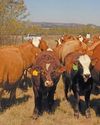
Foot-and-mouth disease project targets waste reduction and regulatory reform
A groundbreaking research collaboration between Red Meat Industry Services, the University of Pretoria, and global animal health leader Zoetis is aiming to transform South Africa's approach to foot-and-mouth disease.
3 mins
January 16-23, 2026
Farmer's Weekly
What to expect in 2026
The world faces a complex interplay of economic, geopolitical, environmental, technological, and social pressures.
3 mins
January 16-23, 2026
Listen
Translate
Change font size