
Ga onbeperkt met Magzter GOLD
Krijg onbeperkte toegang tot meer dan 9000 tijdschriften, kranten en Premium-verhalen voor slechts
Poging GOUD - Vrij
THE KOALA PARADOX
BBC Wildlife
|January 2026
Koalas, a much-loved icon, are both endangered and abundant in Australia. We look at the big picture across an even bigger country
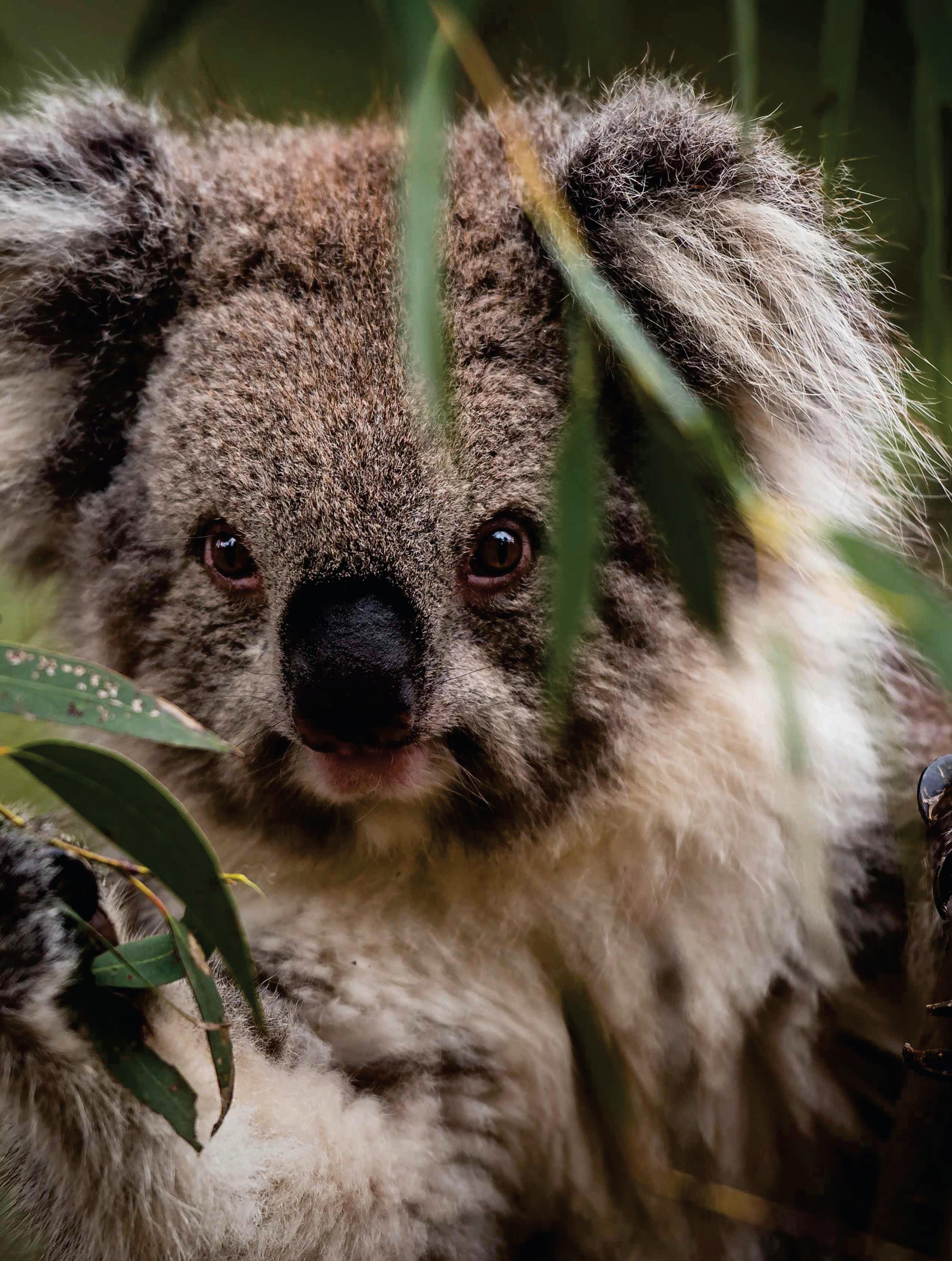
I'T'S 2AM AND Grandpa Boofhead is feeling frisky, his bellows echoing through the moonlit eucalyptus trees around my house in the Adelaide Hills, South Australia.
It's early spring, the breeding season, and those calls will carry for kilometres.
Grandpa Boofhead - the name given to him by my children - is the southern koala type. All koalas are the same species (Phascolarctos cinereus) but he's twice the size of his northern cousins, sporting darker, shaggier fur.
We met Grandpa Boofhead in 2007, when we moved into his neck of the woods. We regularly see him, usually at night, ambling between trees. He bellows now from his favourite perch, metres away from our bedroom window, signalling his readiness to mate. Things can get a little rowdy when his girlfriends, Elvira and Bunny, add their voices to the chorus.
 Our fondness for our wild neighbour is echoed far and wide. The koala is beloved not only in Australia but around the world, generating billions of dollars in tourism revenue. You'd think, then, that its future would be secure. But today, the koala is both endangered and overabundant. It's a paradox that makes conservation far from straightforward.
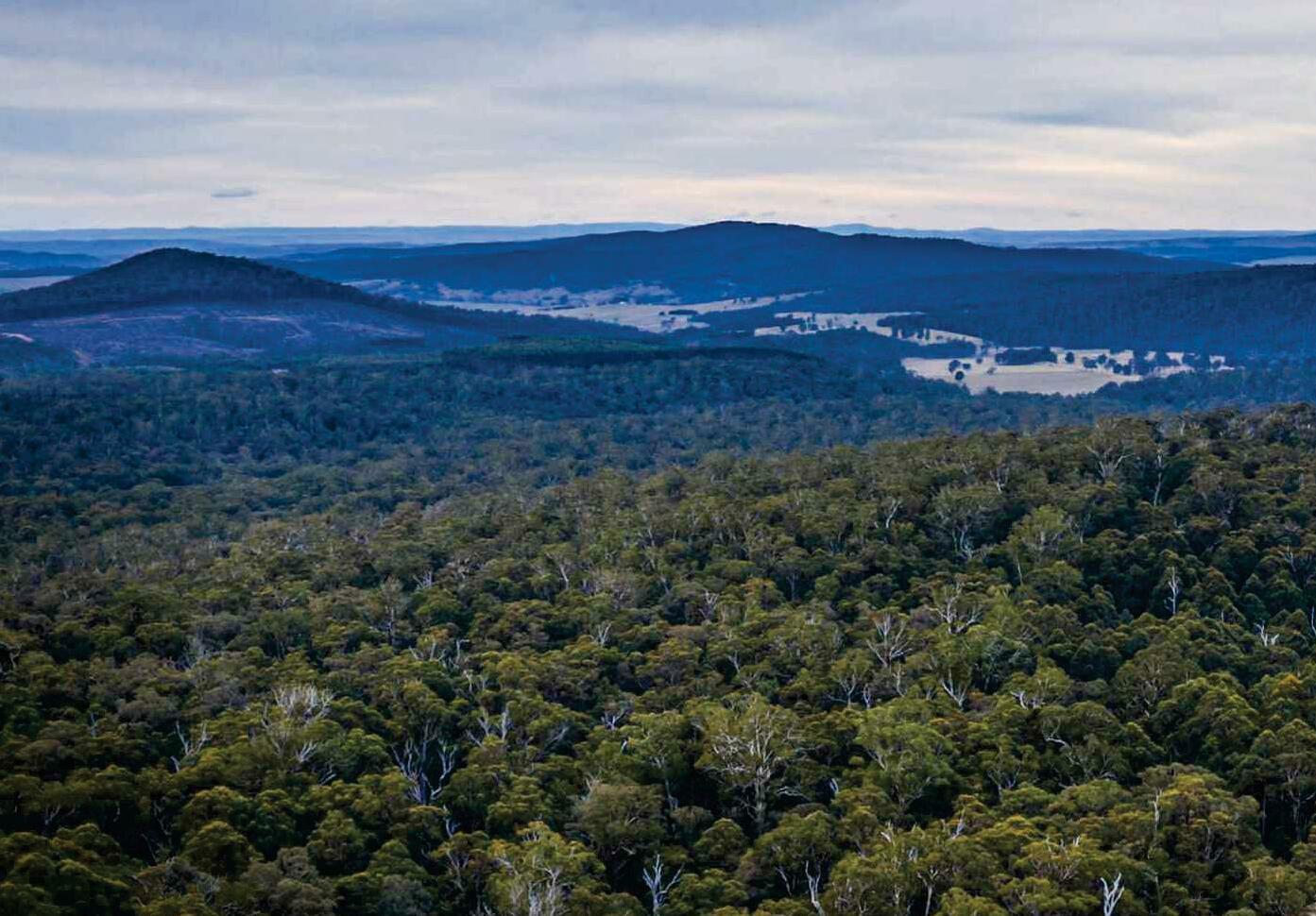
Humanity's relationship with this endearing marsupial has had a chequered history. Koalas were once widespread across the bush-clad length of eastern and southeastern Australia – from Queensland down to Victoria and west into South Australia – perfectly adapted to a life of munching eucalyptus leaves in coastal forests.
That is, until the 19th century, when fur traders arrived. Entrepreneurs spotted the potential offered by koalas' warm, waterproof pelts and the slaughter began. Eight million skins had been exported by the time public outcry stopped the trade in 1927.

Dit verhaal komt uit de January 2026-editie van BBC Wildlife.
Abonneer u op Magzter GOLD voor toegang tot duizenden zorgvuldig samengestelde premiumverhalen en meer dan 9000 tijdschriften en kranten.
Bent u al abonnee? Aanmelden
MEER VERHALEN VAN BBC Wildlife
BBC Wildlife
Animal welfare
FURTHER TO EM GENOVESE'S LETTER (Your Letters, Spring 2026), I would like to signpost the charity Wild Welfare to readers.

2 mins
May 2026
BBC Wildlife
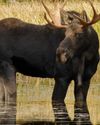
"The hooves pounded up the trail behind us"
Moose in Colorado
3 mins
May 2026
BBC Wildlife
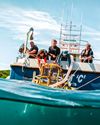
SEAGRASS SAVIOURS
Sometimes, saving the planet requires a bright idea, some practical know-how and a bit of tinkering
6 mins
May 2026
BBC Wildlife
WALL TO WILD
After the fall of the Berlin Wall, reunified Germany became a new landscape not only for people, but for wildlife too 'M SITTING IN A FOREST IN Brandenburg, northeast Germany, looking over a large clearing.
7 mins
May 2026

BBC Wildlife
SNAP-CHAT
Samuel Bloch on wild horses, crazy capercaillies and sleeping on the job
2 mins
May 2026
BBC Wildlife
Old trees key to resilience
Study finds mature trees trump youthful ones
1 min
May 2026
BBC Wildlife
ONE STEP BEYOND
There's a lot more to these quirky seabirds than their eye-catching limbs
2 mins
May 2026
BBC Wildlife
RETURN OF A LEGEND
Once teetering on the very brink of extinction, the elusive Scottish wildcat is prowling the Highlands once more, thanks to a bit of help
7 mins
May 2026

BBC Wildlife
Urban scavengers help curb carbon
New study reveals the extent of emissions saved as city animals feast on food waste
2 mins
May 2026
BBC Wildlife
Merlin on the brink
The diminutive raptor is one of many species facing extinction in Britain, suggests new report
1 mins
May 2026
Listen
Translate
Change font size