
Ga onbeperkt met Magzter GOLD
Krijg onbeperkte toegang tot meer dan 9000 tijdschriften, kranten en Premium-verhalen voor slechts
SURVIVAL OF THE CUTEST
BBC Wildlife
|January 2025
We can't help being drawn to cute creatures, but our aesthetic preferences both help and hinder conservation

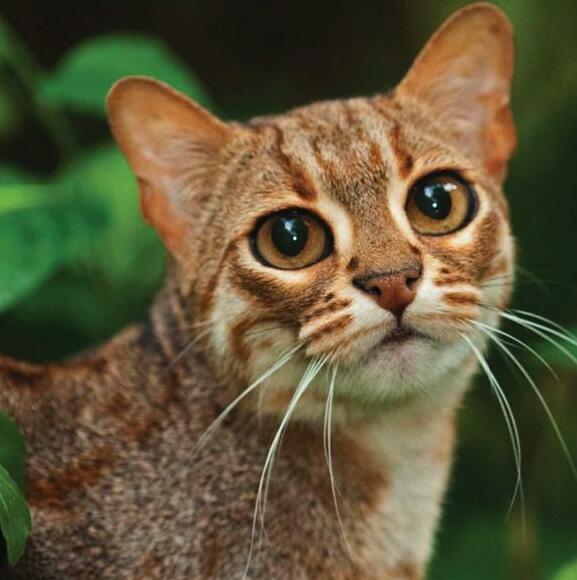
THINK OF THE BBC series Big Cats and the rusty-spotted cat might spring to mind, a kittensized felid whose prowess for murder did nothing to detract from his ridiculously adorable appearance. The little predator captured hearts worldwide, and a two-minute video of him on YouTube now has more than 62 million views. A quick skim of the 83,000 comments reveals a common theme.
"This is literally the cutest thing I've ever seen in my life," says one. "I want to get this little kitty... so0000 cute," writes another.
His large eyes, round face and petite size are all key traits of what we perceive as cute, and while they're typically associated with baby animals, they needn't be restricted to the natural world. Hello Kitty, Japan's monumentally successful global ambassador of cuteness, is one of the most recognisable characters on the planet. She's also just celebrated her 50th birthday, a testament to the enduring popularity of all things adorable. But what does this have to do with wildlife conservation? Quite a lot, as it turns out.
 In his 1990 art installation, Survival of the Cutest (Who Gets on the Ark?), artist Mark Dion, in collaboration with William Schefferine, crammed a wheelbarrow with cuddly toys, including a panda, orca, polar bear and elephant, as well as other 'charismatic megafauna'. Painted on the wheelbarrow was a list of species and their extinction rates. The message was clear - to be considered worthy of conservation efforts, animals needed to be charismatic or cute.

Dit verhaal komt uit de January 2025-editie van BBC Wildlife.
Abonneer u op Magzter GOLD voor toegang tot duizenden zorgvuldig samengestelde premiumverhalen en meer dan 9000 tijdschriften en kranten.
Bent u al abonnee? Aanmelden
MEER VERHALEN VAN BBC Wildlife
BBC Wildlife
"I was terrified the elephant would ram us"
African elephant in Kenya

2 mins
January 2026
BBC Wildlife
ALL YOU EVER NEEDED TO KNOW ABOUT THE Fennec fox
THE FENNEC FOX IS THE SMALLEST fox in the world, with a body length that can be as little as 24cm.
3 mins
January 2026
BBC Wildlife
INTO THE PLASTISPHERE
A unique synthetic ecosystem is evolving in our oceans – welcome to the plastisphere
7 mins
January 2026
BBC Wildlife
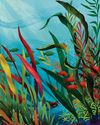
“More than half of all animal life exists in a parasitic relationship, and all life lives in symbiosis”
Our survival depends on species evolving to live together - but some relationships take dark turns
7 mins
January 2026
BBC Wildlife
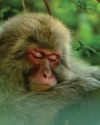
Are animals able to dream?
SLEEP IS A MYSTERIOUS THING. FOR A long time, we weren't sure why we do it.
1 mins
January 2026
BBC Wildlife
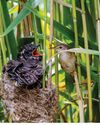
Does a cuckoo know it's a cuckoo?
ABSURD LITTLE BIRDS ACROSS THE world lay their eggs in the nests of other species, leaving the hapless parents to raise a changeling at the expense of their own offspring.
2 mins
January 2026
BBC Wildlife
Orcas killing young sharks
Juvenile great whites are easy prey for orca pod
1 mins
January 2026
BBC Wildlife
Ocean goes on tour
Acclaimed film touring the UK, backed by live orchestra and choir
1 min
January 2026
BBC Wildlife
Feisty bats hunt like lions
Winged mammals use a 'hang and wait' strategy to take down large prey
1 mins
January 2026

BBC Wildlife
SNAP-CHAT
Richard Birchett on magical merlins, wily coyotes and charging deer
2 mins
January 2026
Listen
Translate
Change font size