
Ga onbeperkt met Magzter GOLD
Krijg onbeperkte toegang tot meer dan 9000 tijdschriften, kranten en Premium-verhalen voor slechts
Poging GOUD - Vrij
A deadly race for krill
BBC Wildlife
|May 2025
Huge whales depend on tiny crustaceans - but the fishing boats now want them, too
-
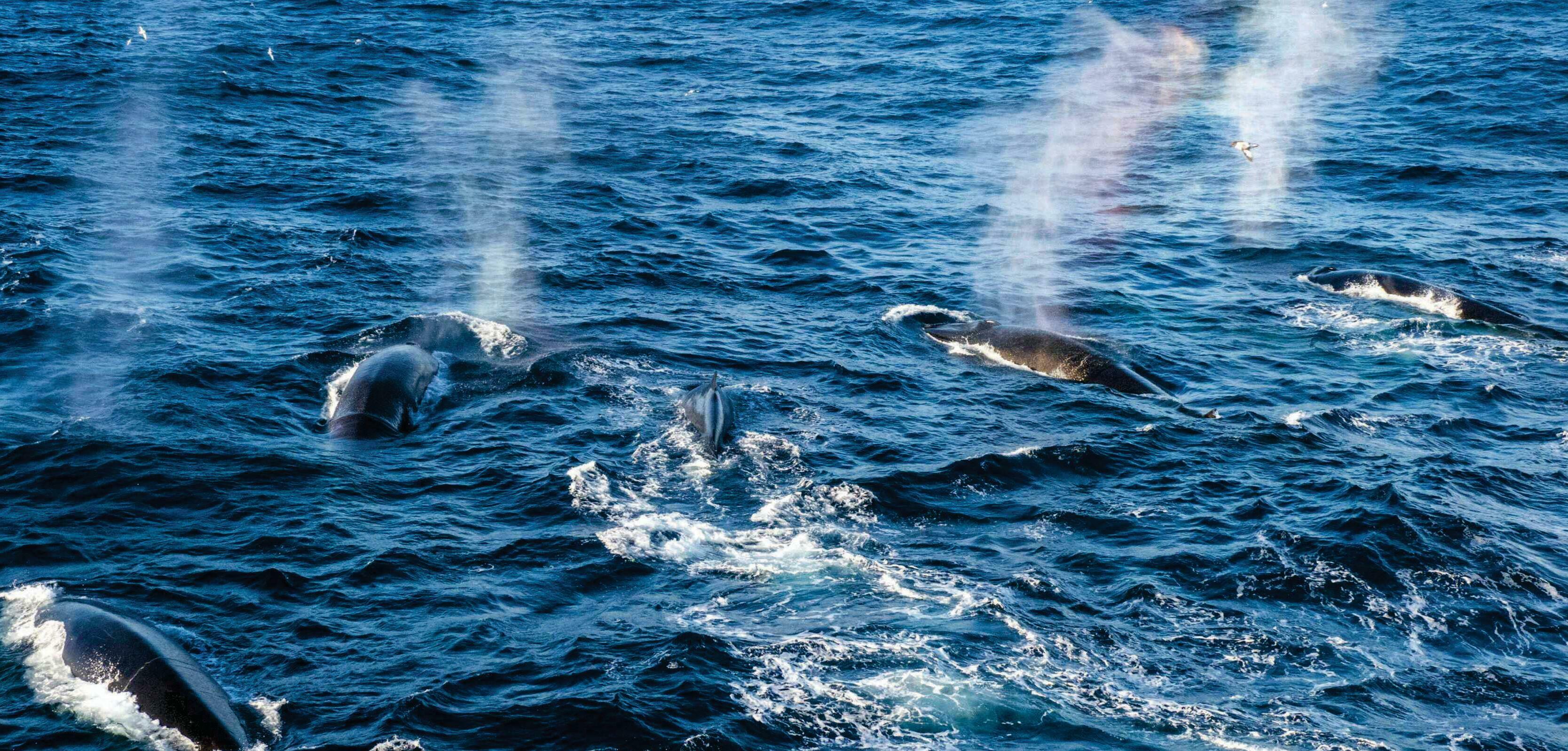
T'S JANUARY 2022 AND A CRUISE SHIP OFF Coronation Island - halfway between South Georgia and the tip of the Antarctic Peninsula - finds itself among a 'superpod' of about 1,000 fin whales. Beaming expedition guide Conor Ryan describes how you can smell the breath of these whales, the second-largest animals on the planet. “It smells like rotten broccoli but it’s wonderful,” he says. Incredible footage from the encounter shows exhalations from the whales’ spouts firing into the air like hundreds of vertical cannons and thousands of seabirds swooping over the maelstrom.
The whales are feeding on a vast patch of Antarctic krill, a 6cm-long, shrimp-like crustacean said to be the most abundant wild organism on the planet, with an estimated biomass of 300-500m tonnes. It is the basis of almost the entire south polar food chain, and is predated upon by everything from fish and penguins to leopard seals and fin, blue and humpback whales. But there’s a darker side to this remarkable event. Other predators - humans, aboard a fleet of fishing boats - are also hoovering up the tiny crustaceans. These vessels harvest roughly 500,000 tonnes of krill every year to turn into farmed fish feed, health supplements and pet food.
For Matthew Savoca, a research associate at Stanford University, the story immediately planted a number of red flags. “It raised serious concerns about whether existing environmental policies for krill fishing are sufficient to ensure the long-term health of whales,” he says.
Those concerns are multiple – the most obvious being direct mortality of whales as a result of entanglement with fishing gear, and there have indeed been seven recorded deaths (of humpback whales) in the past four years. But that, though tragic, is not a conservation threat, argues Savoca.

Dit verhaal komt uit de May 2025-editie van BBC Wildlife.
Abonneer u op Magzter GOLD voor toegang tot duizenden zorgvuldig samengestelde premiumverhalen en meer dan 9000 tijdschriften en kranten.
Bent u al abonnee? Aanmelden
MEER VERHALEN VAN BBC Wildlife
BBC Wildlife
Animal welfare
FURTHER TO EM GENOVESE'S LETTER (Your Letters, Spring 2026), I would like to signpost the charity Wild Welfare to readers.

2 mins
May 2026
BBC Wildlife
"The hooves pounded up the trail behind us"
Moose in Colorado
3 mins
May 2026
BBC Wildlife
SEAGRASS SAVIOURS
Sometimes, saving the planet requires a bright idea, some practical know-how and a bit of tinkering
6 mins
May 2026
BBC Wildlife
WALL TO WILD
After the fall of the Berlin Wall, reunified Germany became a new landscape not only for people, but for wildlife too 'M SITTING IN A FOREST IN Brandenburg, northeast Germany, looking over a large clearing.
7 mins
May 2026
BBC Wildlife
SNAP-CHAT
Samuel Bloch on wild horses, crazy capercaillies and sleeping on the job
2 mins
May 2026
BBC Wildlife
Old trees key to resilience
Study finds mature trees trump youthful ones
1 min
May 2026
BBC Wildlife
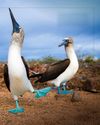
ONE STEP BEYOND
There's a lot more to these quirky seabirds than their eye-catching limbs
2 mins
May 2026
BBC Wildlife
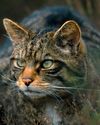
RETURN OF A LEGEND
Once teetering on the very brink of extinction, the elusive Scottish wildcat is prowling the Highlands once more, thanks to a bit of help
7 mins
May 2026
BBC Wildlife
Urban scavengers help curb carbon
New study reveals the extent of emissions saved as city animals feast on food waste
2 mins
May 2026
BBC Wildlife
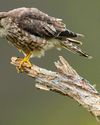
Merlin on the brink
The diminutive raptor is one of many species facing extinction in Britain, suggests new report
1 mins
May 2026
Listen
Translate
Change font size