Poging GOUD - Vrij
AS THE CROW DIES
BBC Science Focus
|March 2022
Corvids, such as crows, rooks and ravens, are some of the smartest animals out there. They can learn to make new sounds, they can cooperate and even use tools. But as Dr Kaeli Swift tells Alice Lipscombe-Southwell, they also have some intriguing rituals when it comes to their dead... and could even be capable of feeling empathy

WHAT EXACTLY IS A CORVID?
A Corvids are a kind of songbird. Corvids, so the Corvidae family, includes crows, ravens, magpies, jays, rooks, jackdaws and choughs. Ravens are the biggest songbird in the world.
THEY'RE SONGBIRDS? BUT A CROW MAKES A 'CAW CAW A CAW' NOISE, WHICH SOUNDS PRETTY DIFFERENT FROM OTHER BIRDS.
"Songbird' is a little bit of a tricky name because the designation of songbird is based on both the positioning of the feet and, most importantly, the anatomy of the vocal area. And that's the feature that these birds share with birds like robins and sparrows and all that kind of thing.
Humans produce the sounds that we do using a larynx, and most birds, including songbirds, have what's called a syrinx. The anatomy does differ a little bit across groups, but the corvid syrinx is going to look pretty similar to other kinds of songbirds. The main difference, though, between crows and ravens and other types of songbirds has less to do with their anatomy and more to do with their brain. Most songbirds have a short window of time when they're young where they learn every sound that they're going to make, then that window closes, and that's it. They don't make any changes moving forward.
But one of the really interesting aspects about crows and ravens is that they can learn new sounds throughout their lives. They have really, really impressive vocal repertoires. Part of the reason that they can make such a wide variety of sounds, including human speech, is because they have independent muscle control on either side of their syrinx, so they can produce two different sounds at the same time.
IN THE UK, SOME OF OUR MOST COMMON CORVIDS ARE CROWS, ROOKS AND RAVENS, BUT PEOPLE QUITE OFTEN GET THESE CONFUSED. IS THERE A WAY YOU CAN EASILY TELL THEM APART?


Dit verhaal komt uit de March 2022-editie van BBC Science Focus.
Abonneer u op Magzter GOLD voor toegang tot duizenden zorgvuldig samengestelde premiumverhalen en meer dan 9000 tijdschriften en kranten.
Bent u al abonnee? Aanmelden
MEER VERHALEN VAN BBC Science Focus

BBC Science Focus
DOES MY DOG HAVE ADHD?
Officially, Attention-Deficit Hyperactivity Disorder (ADHD) is a human condition. People are diagnosed with it. Dogs are not. Yet many of its core features, including hyperactivity, impulsivity and distractibility, can be found in dogs.

1 min
March 2026
BBC Science Focus
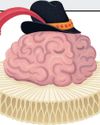
DOES MY BRAIN LIVE A LITTLE IN THE PAST?
Yes, your brain does live a little in the past. It can't help it. The information it receives via your senses is always a little out of date. Whether it's light entering the retinas in your eyes, or sounds vibrating the hairs in your ears, it not only takes time for the data to arrive, but your brain then has to process it.
2 mins
March 2026

BBC Science Focus
ASTRONOMY FOR BEGINNERS
RETURN OF THE EVENING STAR (VENUS)
1 mins
March 2026

BBC Science Focus
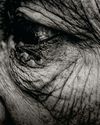
CAN YOU STOP YOUR SENSE OF TASTE DULLING AS YOU AGE?
Sometimes I hear people say that food just doesn't taste the same as they get older. It's tempting to blame this on age, but there are other factors at play, too.
1 mins
March 2026
BBC Science Focus
MICROBIOMES OF THE SUPERAGERS
BY STUDYING THE INCREASING NUMBER OF PEOPLE WHO ARE LIVING BEYOND THEIR 100TH BIRTHDAYS, SCIENTISTS ARE DISCOVERING THAT THE SECRET TO REACHING A RIPE OLD AGE IN RUDE HEALTH MIGHT LIE IN OUR GUTS
8 mins
March 2026

BBC Science Focus
HOW BIG WERE MEDIEVAL WAR HORSES?
You might picture knights charging into battle on towering steeds, but medieval horses were typically no bigger than modern-day ponies.
1 min
March 2026

BBC Science Focus
FORCES OF HABIT
Could new research on setting up healthy habits resuscitate those stuttering New Year resolutions?
3 mins
March 2026

BBC Science Focus
5 DANGERS HIDING IN YOUR PROCESSED FOOD
We all know that ultra-processed foods are bad for us, but what ingredients should we particularly try to avoid? And what are they doing to our bodies?
9 mins
March 2026
BBC Science Focus
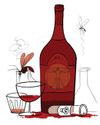
Mosquitoes are becoming thirstier for human blood
Habitat loss may be pushing mosquitoes towards human hosts with deadly consequences
1 mins
March 2026

BBC Science Focus
HOW CAN I GET OVER MY EX?
Relationship breakups can be brutal, just look at the popularity of songs like 'Someone Like You' by Adele, or all the covers of 'Cry Me a River' by Julie London.
1 mins
March 2026
Translate
Change font size