Poging GOUD - Vrij
How Side-Pocketing Affects You
The Hindu Business Line
|September 23, 2019
Side-pockets in debt funds allow bad bonds to be separated from good ones

If you’re an investor in debt mutual funds, you’re probably puzzling over the reports on ‘side-pocketing’ of bonds that figure in fund portfolios.
If you’re confused by what all this means to you, here are your questions answered.
When debt funds face a downgrade or default on a bond they own, they write down its value in the net asset value (NAV). So why is there a need for side pocketing?
When debt funds write down the value of a bond, they usually aren’t sure if the bond is a complete dud or will realise some value later. But in the interests of conservatism, SEBI rules require funds to write down the value of such bonds by 25, 50, 75 or even 100 percent in their portfolios, based on their credit ratings. When a fund takes such write downs, it takes an immediate blow to its NAV. But if the issuer of the bond later pays up his/her dues, the fund will then have to increase its NAV to account for the repayment. In such cases, for investors in the scheme who exit early, taking NAV losses would fail to benefit from the recovery.
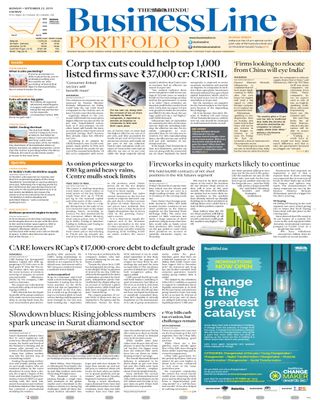

Dit verhaal komt uit de September 23, 2019-editie van The Hindu Business Line.
Abonneer u op Magzter GOLD voor toegang tot duizenden zorgvuldig samengestelde premiumverhalen en meer dan 9000 tijdschriften en kranten.
Bent u al abonnee? Aanmelden
Translate
Change font size