
Ga onbeperkt met Magzter GOLD
Krijg onbeperkte toegang tot meer dan 9000 tijdschriften, kranten en Premium-verhalen voor slechts
A National Institution
BBC History Magazine
|February 2022
As it approached its second decade, the BBC's happy-go-lucky attitude was fading fast. And, as David Hendy reveals in the second instalment of our 13-part series tracing the corporation's cultural impact, the government was now taking a keen interest

0n Saturday 26 September 1931, less than a decade after its creation, the BBC began the eight-month-long task of packing its bags and moving from the cramped rabbit warren of Savoy Hill to a gleaming purpose-built headquarters building in Portland Place. When the first programmes were broadcast from this new home the following May, the occasion did not just mark a more comfortable working life for staff - it announced the BBC's arrival as a grand institution at the heart of the nation. The BBC had described Savoy Hill as the place where it had “spent its childhood and grew up to man's estate”. Now it had reached adulthood.
The building, north of Oxford Circus, was called Broadcasting House. Some 43,000 tonnes of London clay had been excavated to create three basement floors descending 12 metres below street level. Above ground were nine floors, 500 windows, balconies planted with bay trees, and a clock tower topped with a vast turtle-back roof. The edifice consisted of 2,630,000 blocks of shimmering white stone arranged in the gently curved shape of an ocean liner.
Inside, a state-of-the-art “sound factory had been created. Twenty-two studios, numerous cloakrooms, green rooms and a large concert hall, each decorated with art deco flourishes and equipped with the latest radio technology, were stacked in a central tower insulated from exterior noise by a 1.2metre-thick wall and hundreds of offices around the building's outer edges. The entrance hall, reached through an imposing set of bronze front doors, was clad in cool marble, creating an aura of sophisticated modernity. The BBC's new home, proclaimed the Daily Express, was nothing less than the “brain centre of modern civilisation”.


Dit verhaal komt uit de February 2022-editie van BBC History Magazine.
Abonneer u op Magzter GOLD voor toegang tot duizenden zorgvuldig samengestelde premiumverhalen en meer dan 9000 tijdschriften en kranten.
Bent u al abonnee? Aanmelden
MEER VERHALEN VAN BBC History Magazine
BBC History UK
On the skids
Richard Rodgers and Oscar Hammerstein II's smash musical Oklahoma! opened on Broadway on 31 March 1943.

1 min
Christmas 2025

BBC History UK
Small pleasures
Memory is imperfect, but what if you could get a professional model maker to recreate a moment from the past?
1 min
Christmas 2025

BBC History UK
Bath in five places
In the Georgian era, Bath became arguably Britain's most fashionable destination. KIRSTEN ELLIOTT promenades five historic highlights
3 mins
Christmas 2025
BBC History UK
End times
Why do civilisations that dominated their epoch fail? In an era of autocracy, climate change, the rise of Al and a first-hand understanding of how deadly pandemics can be, it's a question that seems pertinent.
1 min
Christmas 2025
BBC History UK
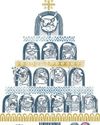
What are the origins of the Yule Lads?
To learn about the Jólasveinar (Yule Lads), we must start with their mother, the terrifying ogress Grýla. Her name appeared in Icelandic texts as early as the 13th century, although it wasn’t until later that those 13 mischievous lads became associated with her. Folk tales and poems tell how she descends from the mountains with an empty sack to stuff full of children. Grýla owns the monstrous Jólaköttur (Yule Cat), which roams the countryside on Christmas Eve, searching for children to gobble up if they're not wearing new clothes.
1 mins
Christmas 2025
BBC History UK
Santa Claus v Father Christmas
The true identity of the white-bearded, red-robed figure who fills children's stockings at Christmas has long been debated. Thomas Ruys Smith sizes up the merry contenders
8 mins
Christmas 2025
BBC History UK
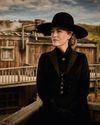
Frontier friction
Set in Washington Territory in 1854, The Abandons is a Western that's unusual for having two matriarchs, women whose lives become entangled, at its centre.
1 min
Christmas 2025
BBC History UK
The Last Days of Pompeii: The Immersive Experience
Delve into the culture of daily Roman life, witness the momentous eruption of Mount Vesuvius, and follow its fallout in Immerse LDN's new exhibition. In a blend of cutting-edge technology and vivid storytelling, this exhibition launches visitors into Pompeii's rich history with recreations of the ancient city's beautiful pre-eruption landscape, a 360-degree virtual reality Roman amphitheatre experience, and a digital metaverse recreating Pompeii's 'Villa of Mysteries'.
1 min
Christmas 2025
BBC History UK
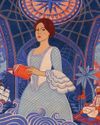
Elizabeth Marsh The corsair's captive
Taken hostage by a Barbary ship's captain in the 18th century, a young Englishwoman found herself fighting for her freedom in Marrakech. ADAM NICHOLS introduces a brave captive who later wrote a book about her dramatic experiences
6 mins
Christmas 2025
BBC History UK
29 DECEMBER 1170: Thomas Becket is murdered in Canterbury
Knights loyal to Henry II rid him of the “low-born cleric”
2 mins
Christmas 2025
Translate
Change font size