
Ga onbeperkt met Magzter GOLD
Krijg onbeperkte toegang tot meer dan 9000 tijdschriften, kranten en Premium-verhalen voor slechts
National ARKS
BBC Wildlife
|April 2021
Seven decades after the UK’s first national parks were created, our largest protected landscapes should nurture thriving biodiversity. How can we make them true havens for wildlife?

Seedheads nod in waves washing across a green ocean. Grazing those undulating expanses are herbivores in their dozens, even hundreds, glancing up periodically to scan the horizon. A well-camouflaged predator peers hungrily from the shade of a lonely tree. It’s a seemingly timeless scene echoed in national parks the world over – until you examine the fine detail.
Yellowstone’s bison and deer range over nearly 900,000ha, hunted by wolf, coyote and grizzly bear; the Serengeti’s vast grasslands are mown by a multitude of wildebeest and impala on their epic annual migration through some three million hectares of rolling savannah, stalked by lion, cheetah and leopard.
The sheep and cows of the Peak District – the UK’s first national park, established 70 years ago, on 17 April 1951 – graze discrete parcels of pasture within the park’s 140,000-odd hectares. You might, if you’re fortunate, spy a polecat, or a short-eared owl quartering moorland. One species you’ll certainly encounter is Homo sapiens: about 38,000 people live within the park’s boundaries, joined by more than 13 million visitors each year.
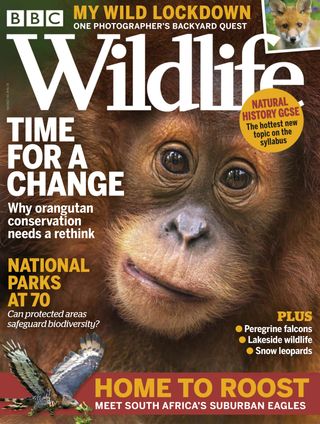

Dit verhaal komt uit de April 2021-editie van BBC Wildlife.
Abonneer u op Magzter GOLD voor toegang tot duizenden zorgvuldig samengestelde premiumverhalen en meer dan 9000 tijdschriften en kranten.
Bent u al abonnee? Aanmelden
MEER VERHALEN VAN BBC Wildlife
BBC Wildlife
"I was terrified the elephant would ram us"
African elephant in Kenya

2 mins
January 2026
BBC Wildlife
ALL YOU EVER NEEDED TO KNOW ABOUT THE Fennec fox
THE FENNEC FOX IS THE SMALLEST fox in the world, with a body length that can be as little as 24cm.
3 mins
January 2026
BBC Wildlife
INTO THE PLASTISPHERE
A unique synthetic ecosystem is evolving in our oceans – welcome to the plastisphere
7 mins
January 2026
BBC Wildlife
“More than half of all animal life exists in a parasitic relationship, and all life lives in symbiosis”
Our survival depends on species evolving to live together - but some relationships take dark turns
7 mins
January 2026
BBC Wildlife
Are animals able to dream?
SLEEP IS A MYSTERIOUS THING. FOR A long time, we weren't sure why we do it.
1 mins
January 2026
BBC Wildlife
Does a cuckoo know it's a cuckoo?
ABSURD LITTLE BIRDS ACROSS THE world lay their eggs in the nests of other species, leaving the hapless parents to raise a changeling at the expense of their own offspring.
2 mins
January 2026
BBC Wildlife
Orcas killing young sharks
Juvenile great whites are easy prey for orca pod
1 mins
January 2026
BBC Wildlife
Ocean goes on tour
Acclaimed film touring the UK, backed by live orchestra and choir
1 min
January 2026
BBC Wildlife
Feisty bats hunt like lions
Winged mammals use a 'hang and wait' strategy to take down large prey
1 mins
January 2026
BBC Wildlife
SNAP-CHAT
Richard Birchett on magical merlins, wily coyotes and charging deer
2 mins
January 2026
Translate
Change font size