
Gå ubegrenset med Magzter GOLD
Få ubegrenset tilgang til over 9000 magasiner, aviser og premiumhistorier for bare
Prøve GULL - Gratis
LOSE WEIGHT FOR LESS!
First for Women
|June 30, 2025
TREND ALERT! Microdosing, split dosing, stretch dosing: People are finding creative ways to use weight-loss medications following new restrictions on the drugs. Here, expert insights to help you safely save money and continue slimming amid all the changes
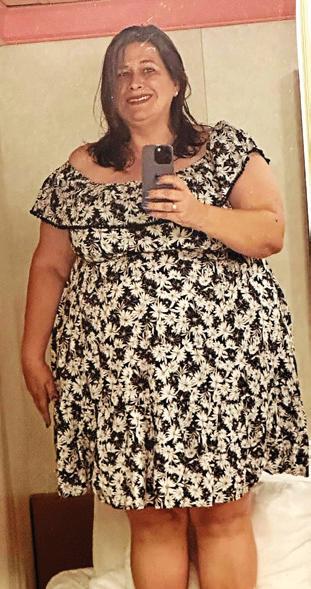
You've heard all about the latest generation of weight-loss drugs, often called GLP-1s, that are helping millions lower blood sugar, quiet “food noise,” cut cravings and shed weight. But the landscape of these meds has gotten confusing lately, especially with news from the FDA that compounding pharmacies will no longer be able to make low-cost dupes now that product shortages of the medications Ozempic, Wegovy and Zepbound have ended. What remains are the branded drugs that not everyone can afford and not all insurance covers. As a result, many women are rationing their medicine in creative ways. But are these work-arounds smart or even effective? We reached out to diet drug experts to find out what you need to know.
How effective are GLPs?
Some 19% of adults in the U.S. have tried these new weight-loss medications. Why all the fuss? Jennifer Warren, M.D., who has specialized in obesity management for 21 years and is the founder of Physicians Healthy Weight Center, says, “The new anti-obesity medications have been game changers.” Indeed, new injectable medicines like Mounjaro are proven to help people shed up to 26% of their starting weight.
But the price can be steep: The drugs can run $1,200 to $1,600 a month out-of-pocket. (If you have insurance—and a prescription—you can apply for a savings card through your insurer. Some people find they are eligible for weight-loss drugs for as little as $25 a month.)
Most doctors and manufacturers say these drugs should be used as they were intended. Shauna Levy, M.D., director of bariatric surgery at Tulane University, says, “The standard recommended doses were the most effective doses during studies and trials and therefore patients may not lose sufficient weight with microdosing.” (More on that later.)
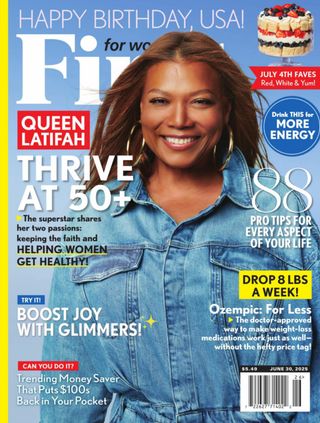

Denne historien er fra June 30, 2025-utgaven av First for Women.
Abonner på Magzter GOLD for å få tilgang til tusenvis av kuraterte premiumhistorier og over 9000 magasiner og aviser.
Allerede abonnent? Logg på
FLERE HISTORIER FRA First for Women

First for Women
STUNNING IN SHORTS
4 stylish ways to stay cool

1 mins
June 30, 2025

First for Women
BOOST YOUR JOY WITH DAILY GLIMMERS!
The simple act of savoring micro moments of happiness is going viral for its ability to soothe your nervous system and boost resilience. Here, easy ways to gather your 'glimmers'—the slivers of sparkle that make life memorable
4 mins
June 30, 2025

First for Women
BLISSFUL SLEEP TONIGHT
When summer days disrupt restful nights, these easy strategies can help
2 mins
June 30, 2025

First for Women
LOSE WEIGHT FOR LESS!
TREND ALERT! Microdosing, split dosing, stretch dosing: People are finding creative ways to use weight-loss medications following new restrictions on the drugs. Here, expert insights to help you safely save money and continue slimming amid all the changes
8 mins
June 30, 2025

First for Women
EXCLUSIVE TITANIC ARTIFACT FIRST-TIME PUBLIC UNVEILING
A necklace that went on display at TITANIC: The Exhibition in Orlando, Florida, on June 11 might call to mind the romanticized image of Rose’s “Heart of the Ocean” pendant from the 1997 film.
2 mins
June 30, 2025

First for Women
3 WAYS TO Banish Bloat FROM HEAD TO TOE
These spa-inspired tricks will help you look and feel summer gorgeous
2 mins
June 30, 2025

First for Women
DIMINISH DARK SPOTS
DERMATOLOGIST FIX
1 mins
June 30, 2025

First for Women
SUZE SOLVES YOUR MONEY PROBLEMS
Personal finance icon Suze Orman is on a mission to help women and men let go of their financial fears, take control of their money habits and thrive—not just financially but also personally and professionally.
3 mins
June 30, 2025

First for Women
SIMPLE WELLNESS SOLUTIONS
Acid-suppressing proton pump inhibitors (PPIs) can ease GERD symptoms, but the drugs come with side effects. Now, an Indian study suggests a safe alternative:
1 mins
June 30, 2025

First for Women
Can You Handle a Spending Freeze?
You've heard of shopping hauls—now meet the anti-haul!
1 mins
June 30, 2025
Listen
Translate
Change font size