Prøve GULL - Gratis
Extremophiles Microbes from Hot Springs - Identified as a Potential Source of Next Generation Biobased Sunscreens
Scientific India
|January - February 2026
Protection from harmful ultraviolet (UV) radiation is essential for human health.
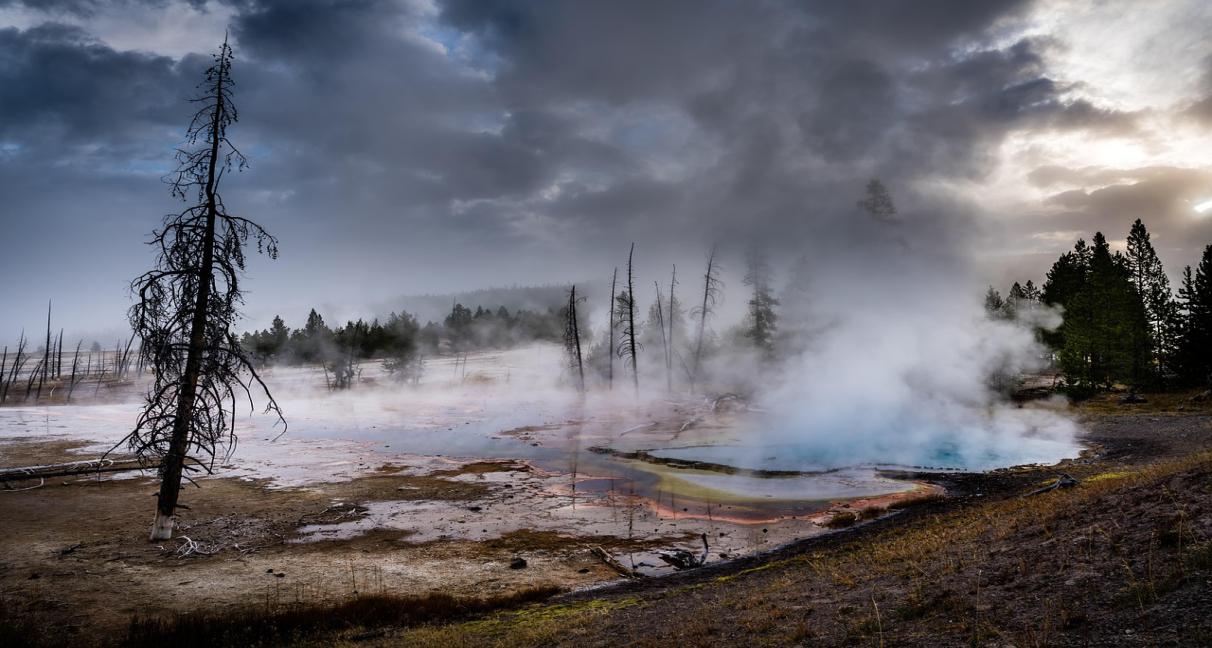
Prolonged exposure to UV rays can cause sunburn, premature aging, DNA damage and skin cancer. Conventional sunscreens often contain synthetic chemicals such as oxybenzone, octinoxate and parabens which have raised environmental and health concerns. Many of these chemicals can harm marine ecosystems especially coral reefs, and may also cause skin irritation in sensitive individuals. As a result scientists are searching for safer, natural alternatives. One promising area of research involves extremophile microbes microorganisms that survive in extreme environments such as hot springs. These microbes have evolved unique biological mechanisms to withstand intense UV radiation, high temperature and oxidative stress. Researchers believe that studying these microbes could lead to the development of eco-friendly, highly effective natural sunscreens.
What Are Extremophile Microbes?
Extremophiles are microorganisms that live in extreme environmental conditions such as high temperature, high salinity, acidic or alkaline conditions and high radiation environments. Hot springs in particular are home to thermophiles heat loving microbes that thrive at temperatures above 45°C and sometimes even above 80°C. These microbes survive in conditions that would destroy normal biological cells. To survive they produce special protective compounds such as pigments, antioxidants and UV-absorbing molecules. These compounds protect their DNA, proteins and cellular structures from damage caused by heat and radiation.
Hot springs are ideal natural laboratories because they expose microbes to strong sunlight, high temperature and mineral rich water. Over millions of years microbes in these environments have evolved highly efficient protective biochemical systems. These natural protective systems are now being explored for use in human skin protection products.
UV Radiation and the Need for Better Sunscreen

Denne historien er fra January - February 2026-utgaven av Scientific India.
Abonner på Magzter GOLD for å få tilgang til tusenvis av kuraterte premiumhistorier og over 9000 magasiner og aviser.
Allerede abonnent? Logg på
FLERE HISTORIER FRA Scientific India
Scientific India
Global Fight Against PFAS Pollution: A Turning Point in Regulation and Justice
Per-and polyfluoroalkyl substances (PFAS), a group of over 10,000 synthetic chemicals known for their extreme persistence in the environment and the human body, have become one of the most challenging pollution issues of our times.

2 mins
January - February 2026
Scientific India
CRISPR-Cas Technology: Revolutionizing the future of modern disease diagnosis and healthcare
The accurate and rapid detection of human pathogens is critical for public health.
3 mins
January - February 2026
Scientific India
Ecology to Epidemiology: How Forest Loss Is Increasing Mosquitoes Thirst for Human Blood
Forests are not only important for climate regulation and biodiversity conservation they are also critical for maintaining ecological balance and protecting human health.
3 mins
January - February 2026

Scientific India
The 10 biggest science stories of 2025
The year 2025 was marked by remarkable scientific achievements that pushed the boundaries of medicine, genetics, and biotechnology. Breakthroughs once considered futuristic moved from theory to real-world application, offering new hope for patients and redefining the limits of innovation.
6 mins
January - February 2026

Scientific India
Just two days of oatmeal cut bad cholesterol by 10%
Eating mostly oatmeal for just two days may significantly reduce cholesterol, according to a clinical trial from the University of Bonn published in Nature Communications.
3 mins
January - February 2026
Scientific India
Artificial Trees: The Technology Breathe for the Globe
Global raising concern over for clean air due to progression of population, industrialization, urbanization, vehicular emission are pushed air pollution and atmospheric carbon dioxide to alarming level.
4 mins
January - February 2026

Scientific India
Five outstanding physics research in 2025
This year has been vibrant for physics research; scientists of various sub disciplines have uncovered many unknowns, from the discovery of single naked black holes to the invention of 2D metallic sheets.
5 mins
January - February 2026

Scientific India
Top 10 Science Stories of India in 2025
The year 2025 has been a landmark for Indian science, characterized by \"firsts\" in space, indigenous computing, and breakthroughs in lifesaving genetics. Here are the top 10 science and technology stories from India in 2025:
4 mins
January - February 2026

Scientific India
Extremophiles Microbes from Hot Springs - Identified as a Potential Source of Next Generation Biobased Sunscreens
Protection from harmful ultraviolet (UV) radiation is essential for human health.
3 mins
January - February 2026
Scientific India
Global Fight Against PEAS Pollution: A Turning Point in Regulation and Justice
Per- and polyfluoroalkyl substances (PFAS), a group of over 10,000 synthetic chemicals known for their extreme persistence in the environment and the human body, have become one of the most challenging pollution issues of our times.
2 mins
January - February 2026
Listen
Translate
Change font size