
Gå ubegrenset med Magzter GOLD
Få ubegrenset tilgang til over 9000 magasiner, aviser og premiumhistorier for bare
Prøve GULL - Gratis
WHERE ARE YOU? WHAT'S THE TIME?
How It Works UK
|Issue 205
How the world's clocks and geographic coordinates came to be set by a small borough of London
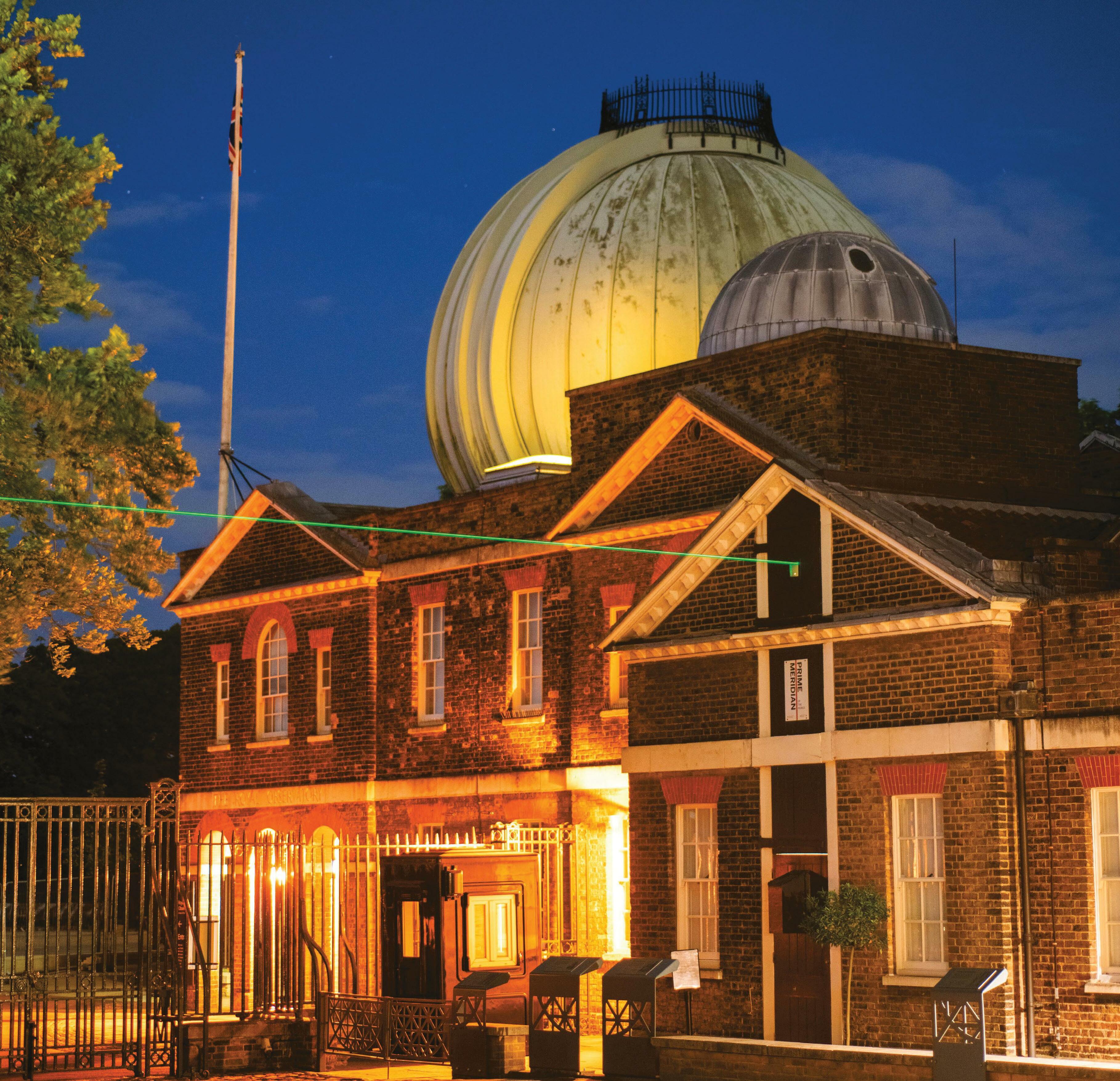
Telling the time used to be a lot more complicated than it is now. Today we have 24 one-hour time zones set across the world, and if we move west or east, crossing from one zone to another, we know to set our watches and phones back or forward an hour. But 200 years ago in Britain, before digital timepieces existed, when wristwatches were the preserve of the wealthy and most people told the time by the gong of a church bell or even a sundial, we had local time. The time differences between cities and major settlements were a matter of minutes. For example, Plymouth is around 180 miles west of Greenwich in London, so clocks on the Devon border city were 16 minutes and 30 seconds behind those in Greenwich. This didn't matter much, because travel between cities was very slow and only a few travellers owned portable timepieces that required adjusting. But the advent of fast railways replaced horse and cart, so by the mid-19th century, varying local mean times at each train station could get quite confusing.
In 1828, clock maker Benjamin Lewis Vulliamy pushed for public clocks across London, which all showed different times, to be set by the clock on St Paul's Cathedral. And in 1845, railway businessman Henry Booth put a petition before parliament arguing that all public clocks in the country should be set by St Paul's. When an electric clock was installed in the Royal Observatory Greenwich in 1852, which connected to train stations via telegram wires, it allowed all public clocks in the country to be set by the Royal Observatory Greenwich, establishing Greenwich Mean Time.

Denne historien er fra Issue 205-utgaven av How It Works UK.
Abonner på Magzter GOLD for å få tilgang til tusenvis av kuraterte premiumhistorier og over 9000 magasiner og aviser.
Allerede abonnent? Logg på
FLERE HISTORIER FRA How It Works UK
How It Works UK
SPACE MINING UNCOVERED
Asteroids rich in rare elements could be harvested for their valuable contents, but the real worth may be in using them as interplanetary fuel stations

2 mins
Issue 211
How It Works UK
WHY THINGS ROT
How dead plants and animals decay, and how living organisms rely on this natural process to survive
3 mins
Issue 211

How It Works UK
BOOZE, BEANS AND YOUR BODY
Caffeine and alcohol are two of the world's most common drugs. But what effects does drinking them have on our brains and bodies?
5 mins
Issue 211
How It Works UK
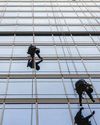
HOW TO CLEAN A SKYSCRAPER WINDOW
Discover how skilled window cleaners with nerves of steel tackle these towering glass facades
2 mins
Issue 211
How It Works UK
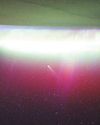
ASTRONAUTS SEE COMET LEMMON 'ABSORBED' BY AURORAE
For skywatchers, scientists and even the astronauts on the International Space Station (ISS), the skies have been active. The Sun has released its largest eruptions of 2025, sparking a series of aurorae that have reached as far south as Mexico. While astronauts on the ISS had to take shelter during the recent solar storms to avoid potentially dangerous radiation, they did manage to capture this image of Comet Lemmon appearing near the aurorae on Earth.
1 min
Issue 211
How It Works UK
HOW TO MAKE MAPLE SYRUP
Your favourite pancake topping is much more than just a sugary treat made in a factory
1 mins
Issue 211
How It Works UK
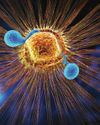
A high-fibre diet may ‘rejuvenate' immune cells that fight cancer
Microbes in the gut can help the immune system fight cancer, and a fibre-rich diet may be the key to unlocking those benefits, a study in mice suggests. The immune system is a key player in the body’s battle against cancer. On the front line of this resistance are CD8+ killer T cells, a type of immune cell that marauds around tumours and then exterminates the cancerous cells. But after each successive battle, these cells become worn out and don’t find tumours as effectively. As such, treatments that provide the cells with enough pep to finish their job are in high demand.
2 mins
Issue 211
How It Works UK
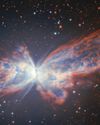
SEE THE BUTTERFLY NEBULA LIKE NEVER BEFORE
On 26 November 2025, the Gemini South telescope turned 25, and astronomers celebrated its birthday with a dazzling new image of the Butterfly Nebula.
1 min
Issue 211

How It Works UK
The Gulf of Suez is pulling apart
The Gulf of Suez, which partially divides Africa and Asia, may still be widening 5 million years after we thought it had stopped.
2 mins
Issue 211

How It Works UK
REMOTE ABILITIES
Infrared remotes are cheaper and more power-efficient than Bluetooth alternatives
1 mins
Issue 211
Listen
Translate
Change font size