Prøve GULL - Gratis
Shared stakes
Down To Earth
|March 01, 2026
A landmark assessment quantifies how businesses destroy the very natural systems they depend on, and must therefore play a central role in halting and reversing biodiversity decline
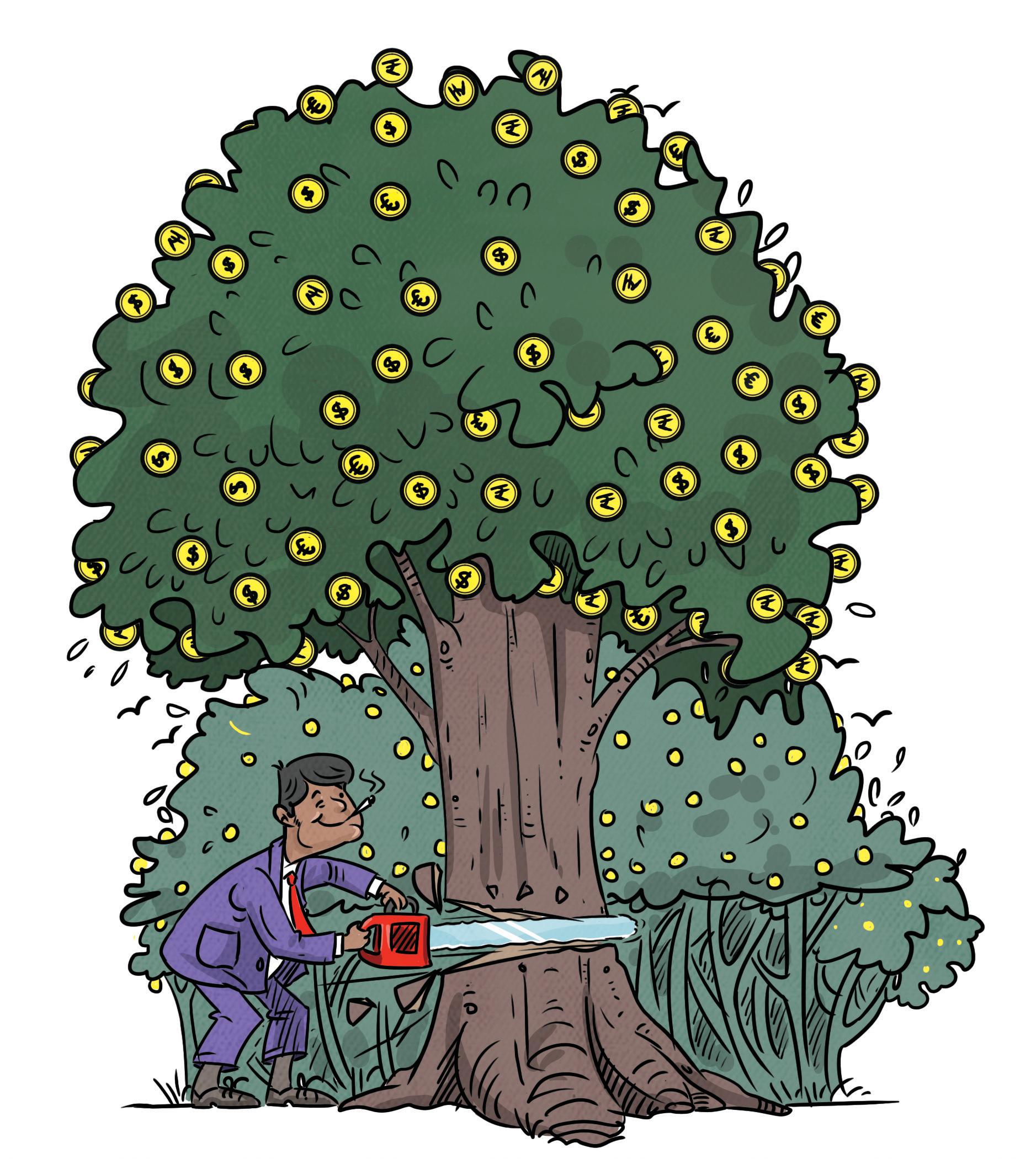
THE JOURNEY of a chocolate bar found in any supermarket begins in the world's biodiverse forests. Take its basic ingredient, cocoa. Ivory Coast in Africa is the leading producer of the world's cocoa, but with rising global demand, cultivation is turning unsustainable. Some 70 per cent of illegal deforestation in Ivory Coast is linked to cocoa farming, as per the UN Development Programme. The country has lost 45 per cent of tropical forests in 20 years.
Ironically, cocoa production depends on forest pollinators, healthy soil and steady rainfall for survival. So when forests are cleared, yields fall, and farmers often respond by clearing more forest land. Chocolate companies, traders, retailers, banks and investors are also part of the supply chain. In sum, when forests decline, production drops, prices and financial risks increase, creating a feedback loop.
It is this cycle of “systemic risks” in which businesses destroy the very natural systems they depend on that the Intergovernmental Science-Policy Platform on Biodiversity and Ecosystem Services (IPBES) highlights in its latest report. The Summary for Policymakers of the “Methodological Assessment on the Impact and Dependence of Business on Biodiversity and Nature's Contributions to People” was adopted on February 9, during the agency's 12th plenary session in Manchester, UK. The report, also called the Business and Biodiversity Assessment, is the first global scientific review to fully examine how businesses depend on biodiversity and affect it.
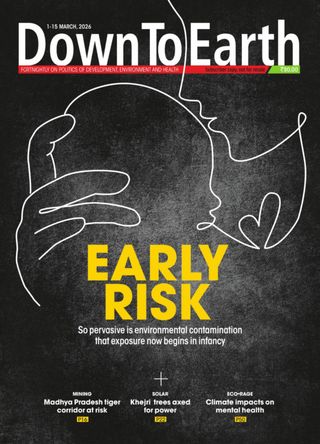

Denne historien er fra March 01, 2026-utgaven av Down To Earth.
Abonner på Magzter GOLD for å få tilgang til tusenvis av kuraterte premiumhistorier og over 9000 magasiner og aviser.
Allerede abonnent? Logg på
FLERE HISTORIER FRA Down To Earth

Down To Earth
THE GREAT PIVOT
China's moves to transition to clean energy offer critical lessons to India

4 mins
March 01, 2026

Down To Earth
COAL V CORRIDOR
A proposal to mine coal along a corridor that links two tiger reserves in central India is a step away from getting final clearance. The move could affect movement and genetic diversity of tiger populations in the region
8 mins
March 01, 2026

Down To Earth
India's challenging AI predicament
Hobbled by lack of innovation and AI skills in its crucial technology sector, India is focusing on a ruinous plan to host data centres
4 mins
March 01, 2026
Down To Earth
China to implement zero tariffs across Africa
CHINA ON February 14 announced that it will implement zero tariffs for imports from all the 53 African nations it has diplomatic relations with, starting from May 1.
1 min
March 01, 2026
Down To Earth
Poverty, sans the threshold
MEASUREMENT OF poverty is a fundamental exercise, needed to direct development programmes.
2 mins
March 01, 2026
Down To Earth
A bridge across forever
For two decades, a Chhattisgarh village remains stuck in a loop of building temporary river crossings to access markets and sell forest produce
4 mins
March 01, 2026
Down To Earth
Liveable cities need a new model
CRY FOR my Delhi. This is my city—my family records many generations who have lived here.
3 mins
March 01, 2026
Down To Earth
Real impacts of the changing seasons
This refers to the article \"1,500 days, and an alarm for new climate\" (1-15 December, 2025).
1 mins
March 01, 2026

Down To Earth
‘It’s a systematic effort by US to dismantle climate policy’
The US, the world's largest historical emitter of greenhouse gases, has overturned its “endangerment finding”, the legal foundation for regulating emissions under the Clean Air Act since 2009.
4 mins
March 01, 2026
Down To Earth
Amazon turned carbon source in 2023 drought
EXTREME DROUGHT and a prolonged heatwave in 2023 pushed parts of the Amazon rainforest from acting as a carbon sink to becoming a carbon source for three months, according to a February 13 study published in the journal AGU Advances of the American Geophysical Union.
1 min
March 01, 2026
Listen
Translate
Change font size