
Gå ubegrenset med Magzter GOLD
Få ubegrenset tilgang til over 9000 magasiner, aviser og premiumhistorier for bare
Foisting a GI tag on Mandu's baobab tree
Down To Earth
|March 16, 2023
Commerce ministry's drive to push up the Geographical Indications tally is a lazy exercise that does not benefit local communities

IN JUNE last year, there was a ruckus in Dhar district of Madhya Pradesh when the Bhil tribespeople stopped trucks from carting away around a dozen baobab trees from their villages around the historical town of Mandu. The trees were being taken to a commercial botanical garden being set up about 1,000 km away on the outskirts of Hyderabad. The Madhya Pradesh forest department had given permission for the translocation of the trees, but the Bhils who had been nurturing the trees for a long time, possibly centuries, were upset and set up a roadblock. Police had to intervene to let the trees go through.
The baobab is of African origin and not many are to be found in India; the biggest cluster is in Mandu. The strangely shaped succulent is known as the tree of life, because it is able to store water from the rains in its vast trunk and produce a nutrient-dense fruit in the dry season when the land turns arid. The tree has medicinal properties and provides some income for the Bhil community, which sells its fruits and seeds to local traders. Given their strong attachment to nature, the tribal people were enraged that the forest department had allowed the businessman to take away grown trees instead of buying saplings from the nursery in the area. The Bhils demanded to know why the forest department had not protected the trees.
Instead of admitting that the forest department had failed to do its job, the official response has been unexpected. The authorities say they will help the local community get a Geographical Indication (GI) for baobab trees. The Dhar horticulture department has set up a committee to identify local farmers who can form an association or society to apply for the GI tag. Will the Bhils have a say in this development, when all they want is to keep their trees safe?


Denne historien er fra March 16, 2023-utgaven av Down To Earth.
Abonner på Magzter GOLD for å få tilgang til tusenvis av kuraterte premiumhistorier og over 9000 magasiner og aviser.
Allerede abonnent? Logg på
FLERE HISTORIER FRA Down To Earth
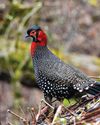
Down To Earth
KING OF BIRDS
Revered for centuries, western tragopan now needs protection as its forests shrink, human pressures mount

3 mins
December 16, 2025
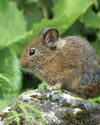
Down To Earth
WHISKERS ALL AQUIVER
Climate change threatens creatures that have weathered extreme environments for thousands of years
2 mins
December 16, 2025
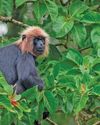
Down To Earth
GOLDEN SPIRIT
Survival of the shy primate is closely tied to the health of Western Ghats
3 mins
December 16, 2025
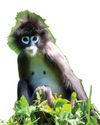
Down To Earth
RINGED EYES IN THE CANOPY
Rapid habitat destruction forces arboreal langur to alter habits
2 mins
December 16, 2025

Down To Earth
HANGING BY THE CLIFF
The Himalaya's rarest wild goat is on the brink of local extinction
2 mins
December 16, 2025

Down To Earth
ANGEL OF THE BEAS
Conservation reserves, citizen science, and habitat protection give the Indus River dolphin a fighting chance in India
2 mins
December 16, 2025
Down To Earth
UNDER MOONLIT SCRUB
Survival of this hidden guardian tells us whether our scrublands still breathe
2 mins
December 16, 2025
Down To Earth
SYMBOL OF SILENT VALLEY
Lion-tailed macaque remains vulnerable despite past victories
2 mins
December 16, 2025
Down To Earth
THE APE IN OUR STORIES
India's only non-human ape species is a cultural icon threatened by forest fragmentation
2 mins
December 16, 2025
Down To Earth
SENTINEL OF THE HIGH COLD DESERT
The bird's evocative call may not continue to roll across the cold desert valley for long
3 mins
December 16, 2025
Translate
Change font size